The Gyeongui Line Forest Park (경의선 숲길) is one of Seoul’s most successful urban transformations. What was once an elevated railway line cutting through the western neighborhoods of the city is now a long, narrow park that connects Hongdae, Yeonnam-dong, and Mapo in a continuous green corridor. The park does not announce itself dramatically — it simply exists between the buildings, a quiet strip of trees and paths that gives the surrounding neighborhoods somewhere to breathe.
Walking the Gyeongui Line at a relaxed pace, with good coffee at the beginning, a proper meal in the middle, and something sweet at the end, is one of the most satisfying ways to spend a Seoul afternoon. This course does exactly that — three stops, all within easy reach of the park, each representing a different kind of pleasure.
Route: Biroso Coffee → Okjeong → Hopinch
Area: Gyeongui Line Forest Park (Hongdae / Yeonnam-dong / Mapo)
Walking Time: 5–15 minutes between each stop, along the park
Best Time: Late morning to early afternoon
Total Budget: 22,000 – 40,000 KRW per person
Why the Gyeongui Line
The park works as a course in a way that most Seoul neighborhoods do not, because the walking is itself part of the experience. Between stops, you are not navigating traffic or pushing through crowded streets — you are moving along a tree-lined path where the pace naturally slows and the city recedes to the periphery. The transitions between stops are as good as the stops themselves, and the course benefits from being done on foot rather than by subway.
The neighborhoods that border the park — particularly Yeonnam-dong and the quieter streets around Mapo — have developed one of Seoul’s most interesting concentrations of independent cafés, small restaurants, and creative businesses. The three stops on this course are embedded in that culture without being defined entirely by it.
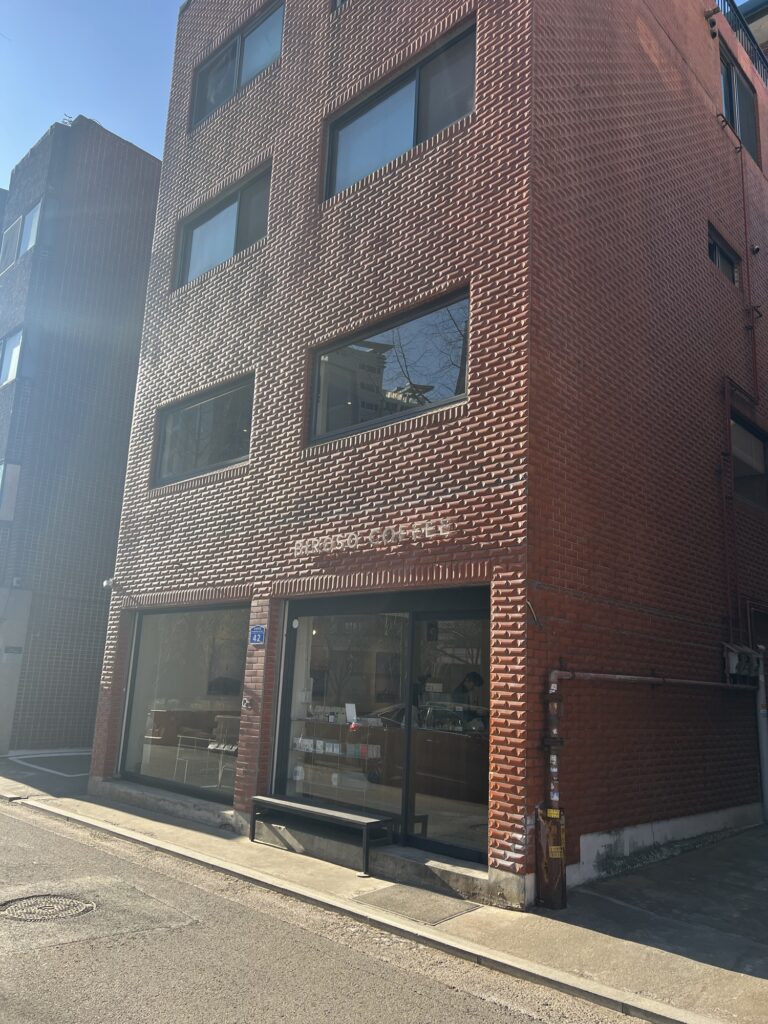
Stop 1: Biroso Coffee (비로소 커피) — Where the Walk Begins

The Name
Biroso (비로소) is a Korean adverb that translates roughly as “only now” or “finally” — the word you use when something has at last been fully realized, when a moment has arrived that was worth waiting for. It is a name that carries intention: the suggestion that the coffee here, prepared properly, represents something complete rather than convenient.
Whether the name was chosen with this weight of meaning in mind or simply because it sounds right, it sets an expectation that the café consistently meets.
The Space


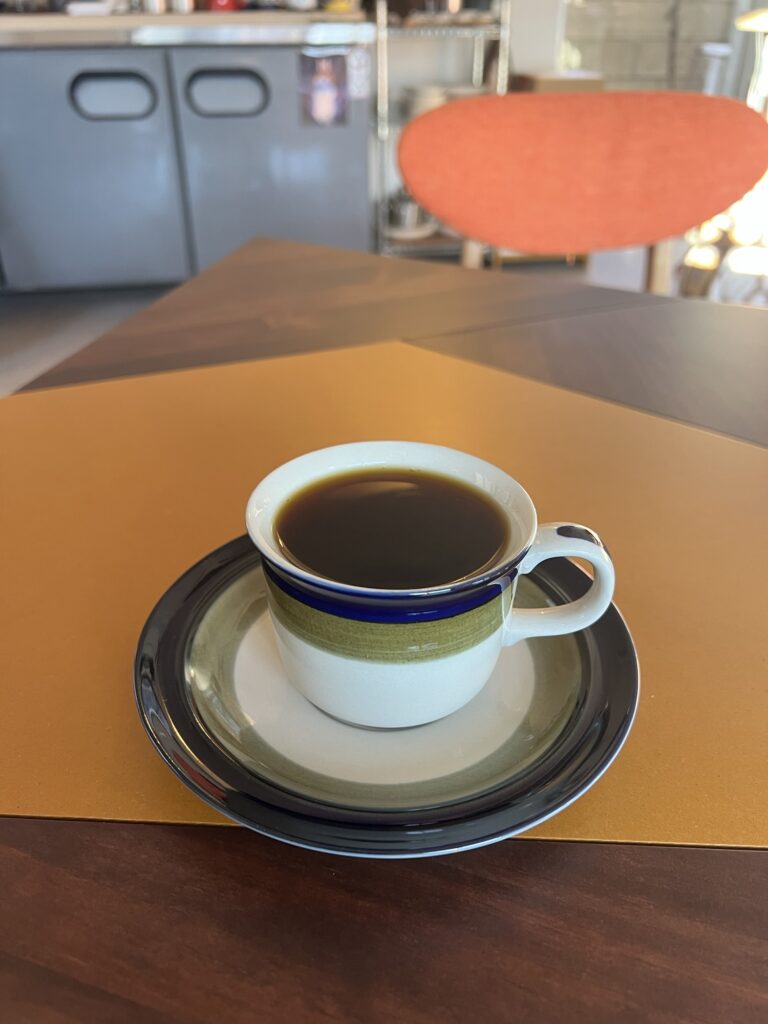
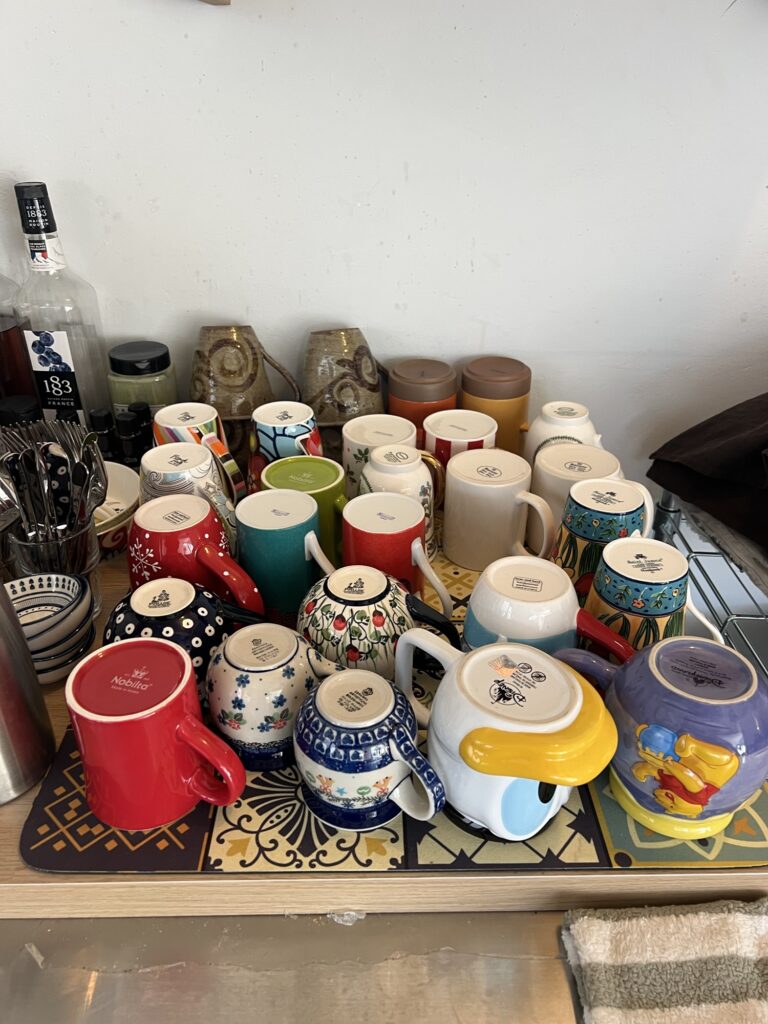
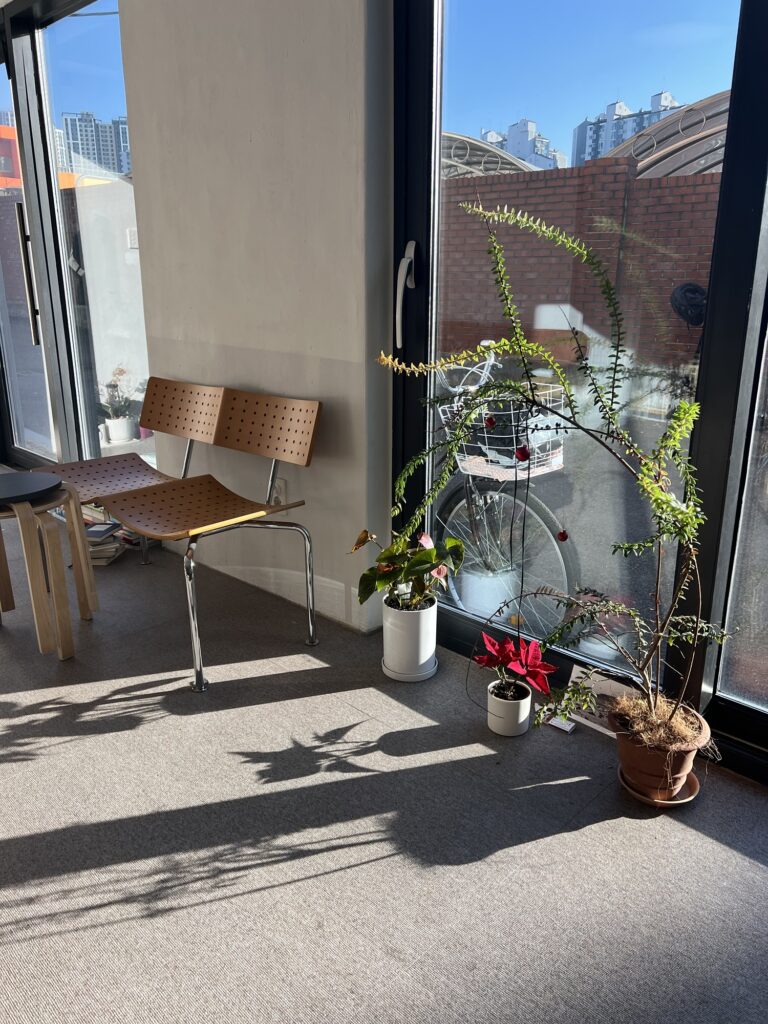
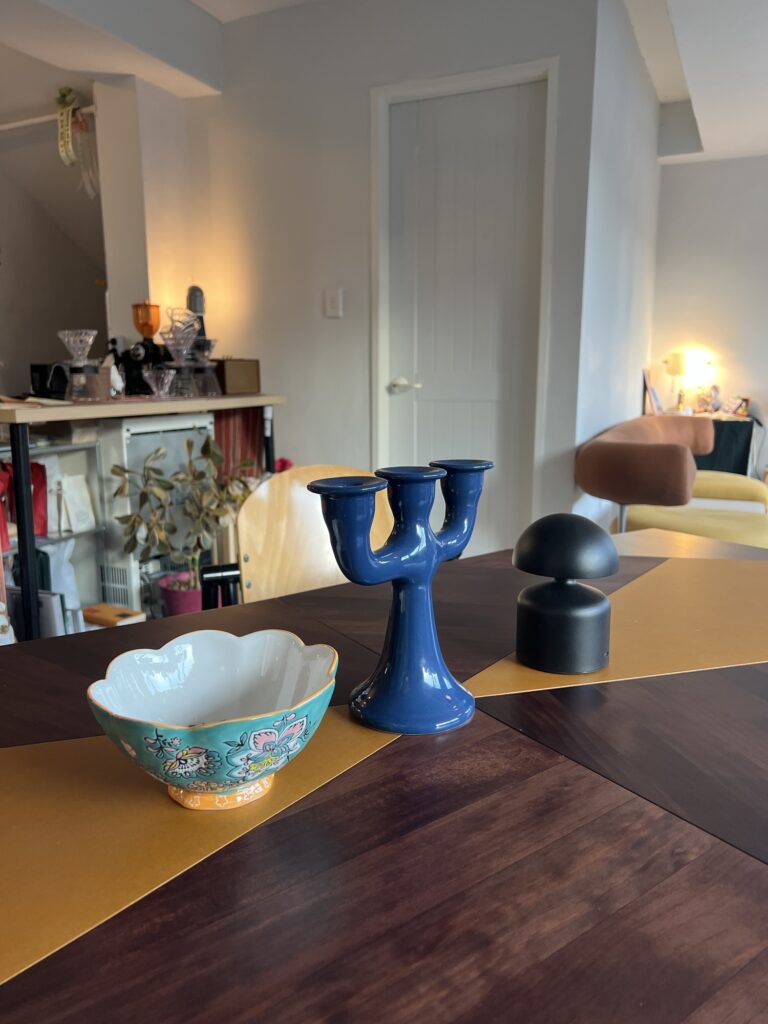
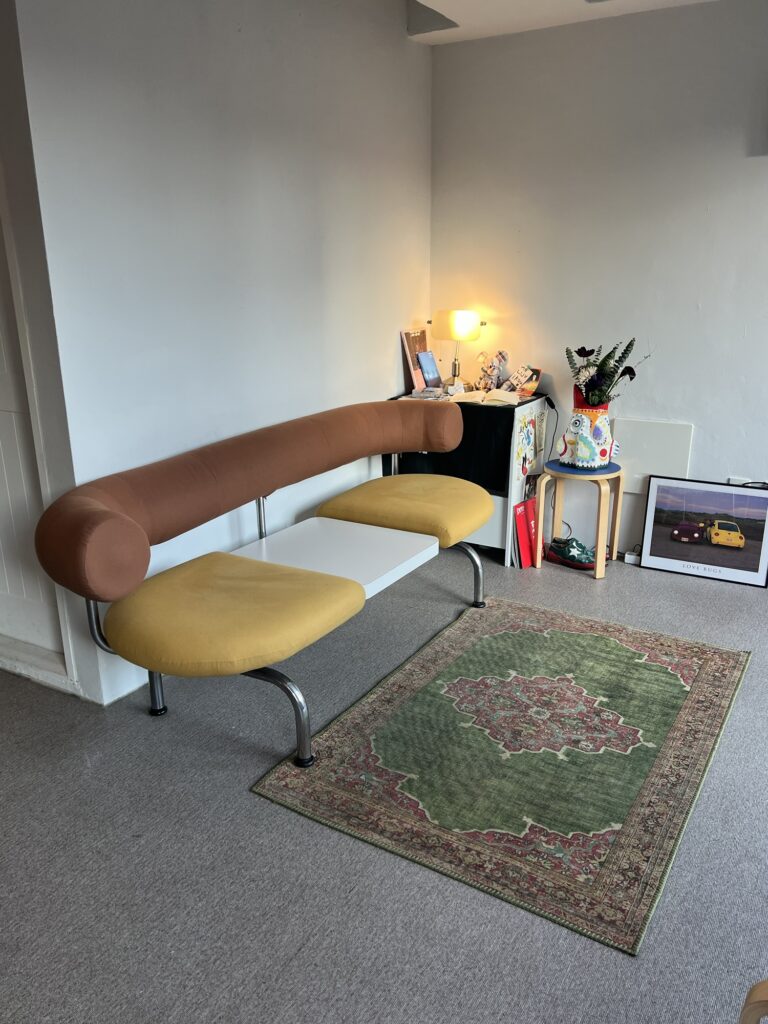
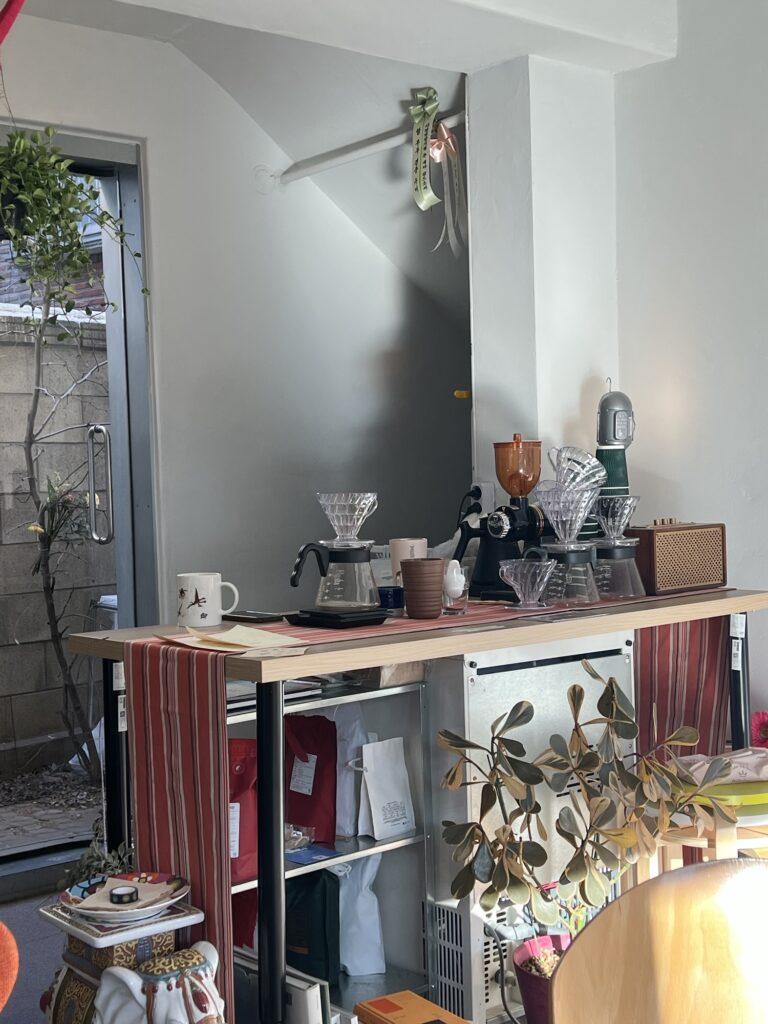
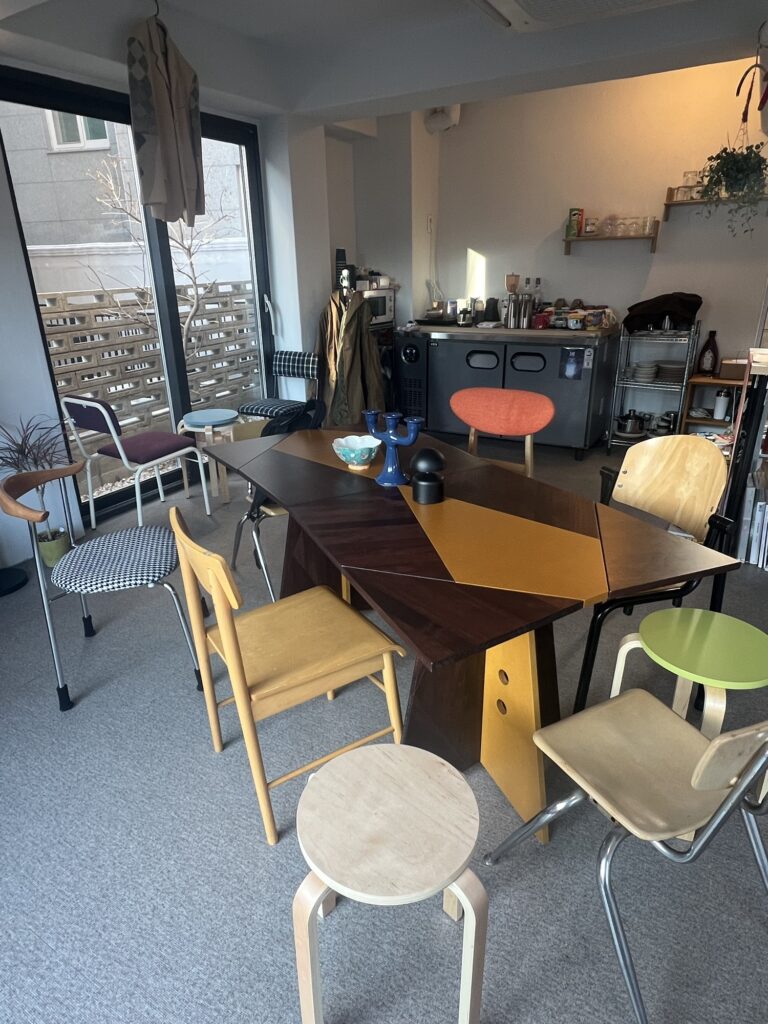
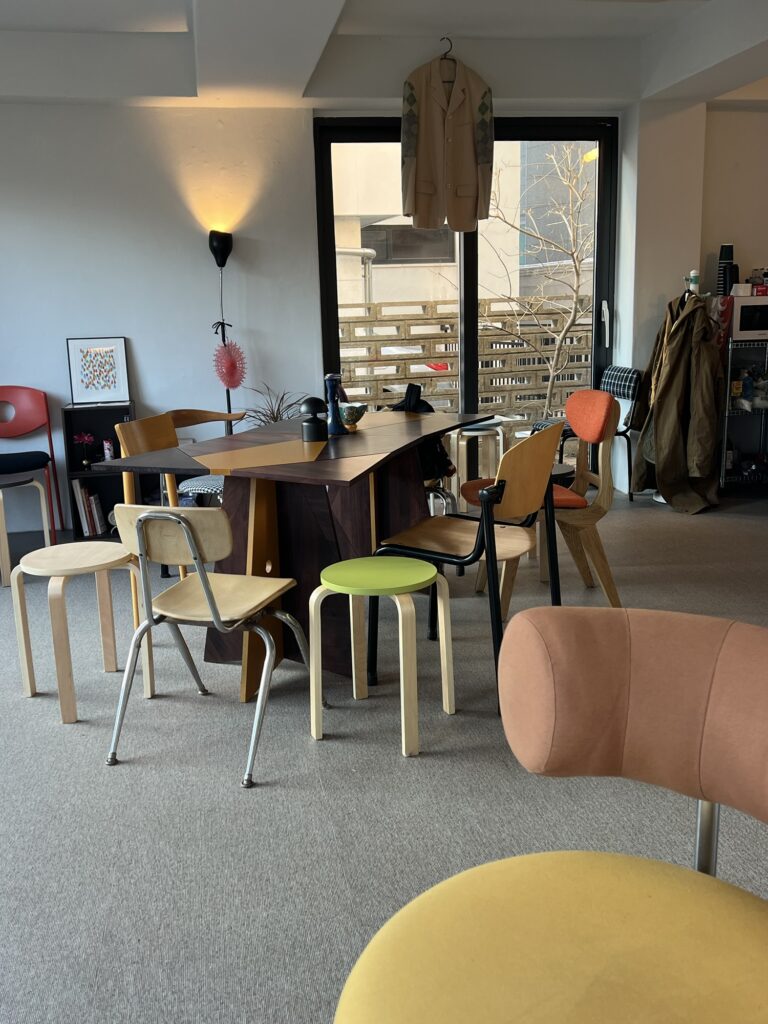
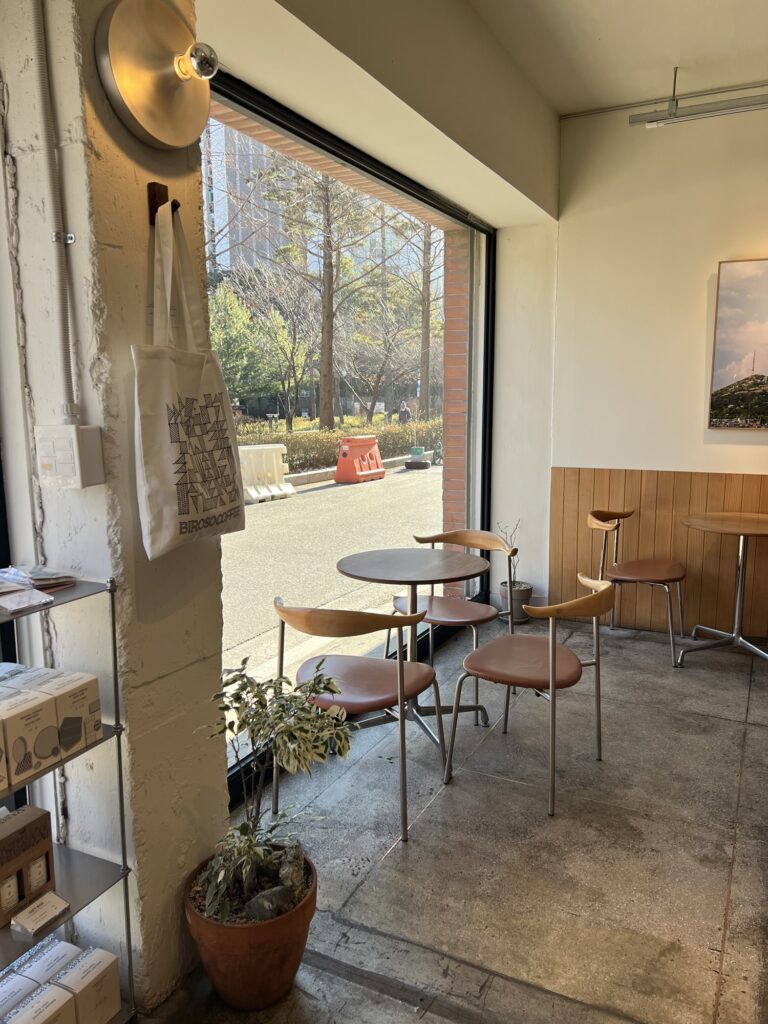
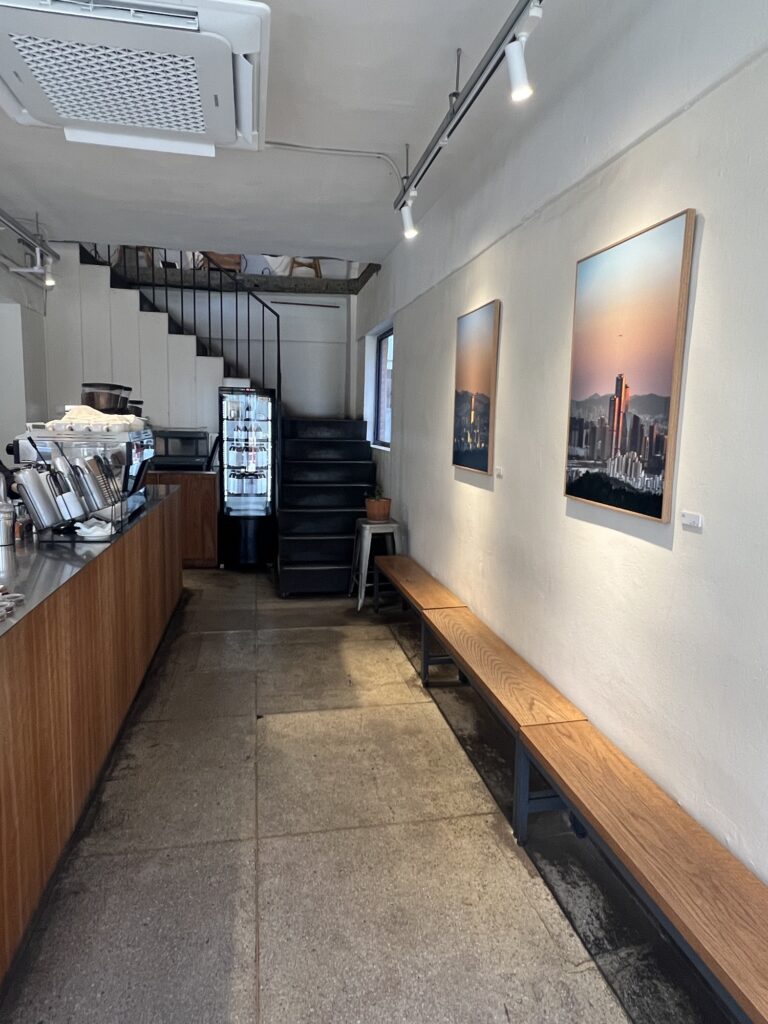
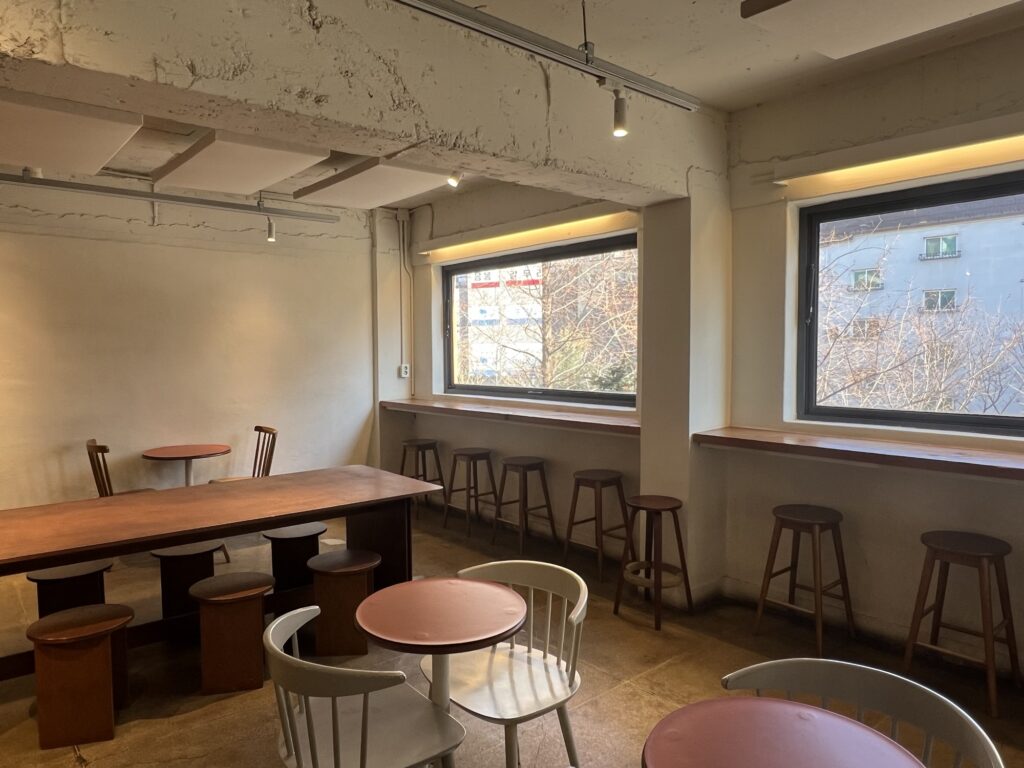
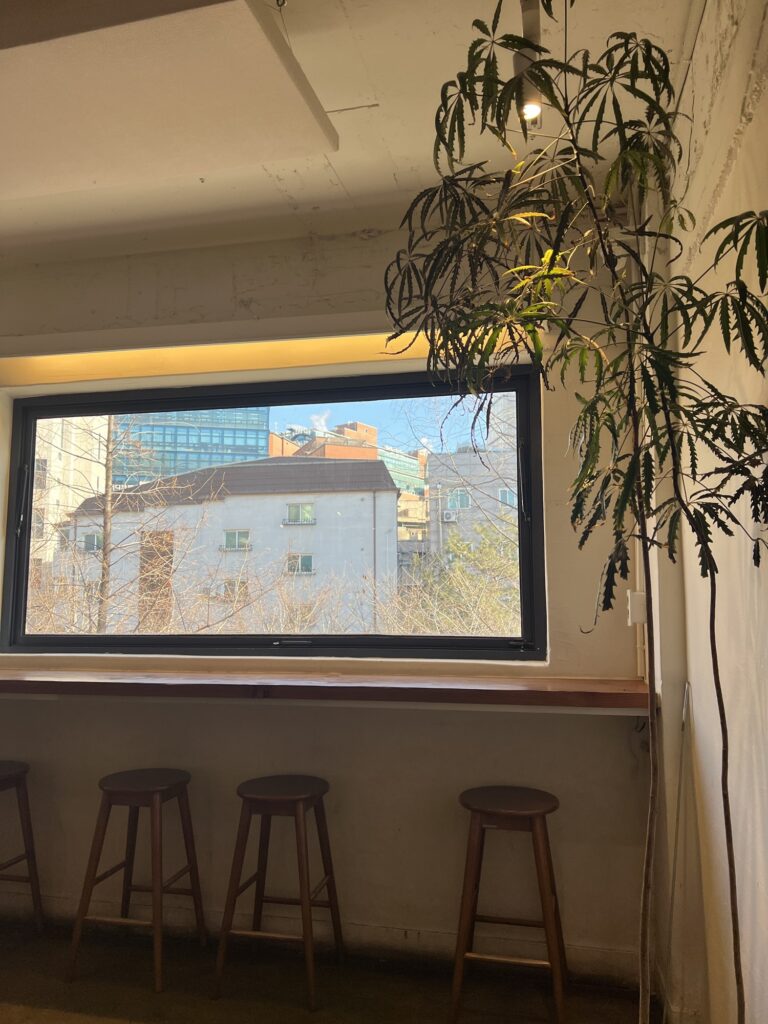
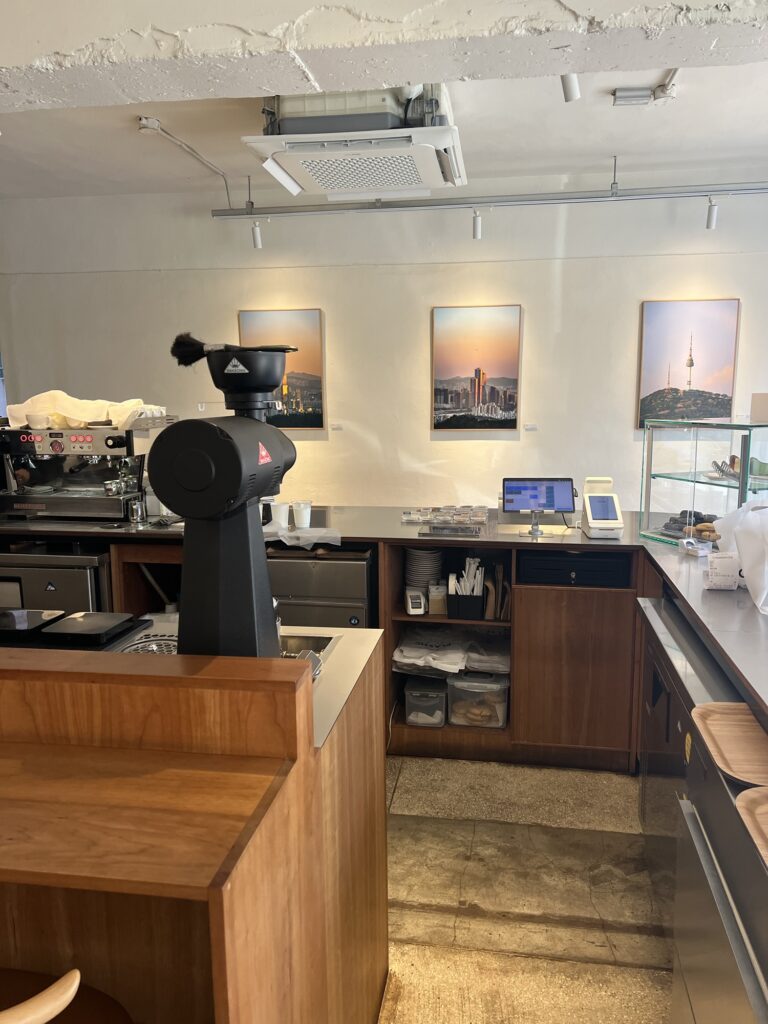
Biroso Coffee is a café that has found its identity clearly and does not deviate from it. The interior is calm and considered — the kind of space where the design choices feel purposeful rather than assembled. Natural light, clean surfaces, and a focus on the bar and brewing equipment rather than decorative elements communicate immediately that coffee is the reason to be here, not the setting.
It is a good morning café in the specific sense that matters: it is at its best when the day is still quiet, before the Hongdae and Yeonnam crowds arrive in full. The pace of the space matches the pace of a walk that has not yet started, which makes it the right way to begin the Gyeongui Line course.


The Coffee

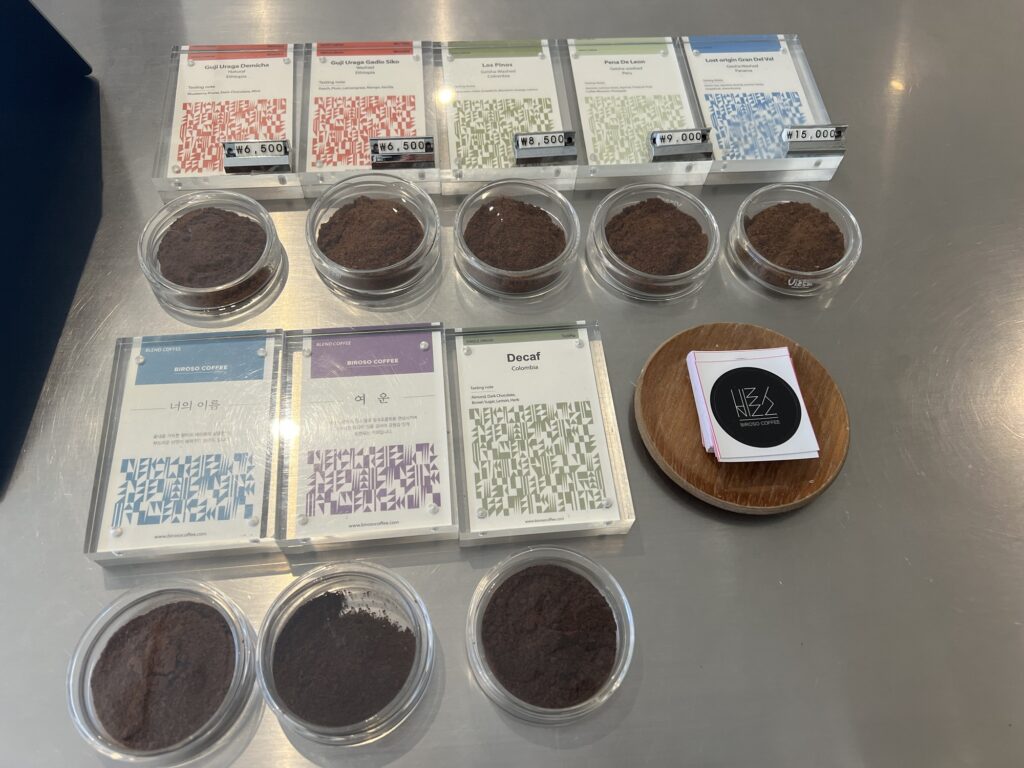
Biroso Coffee’s reputation is built on the quality of its coffee, and the reputation is justified. The espresso program is precise and consistent — the kind of consistency that reflects genuine technical control rather than luck. The filter options, when available, showcase the sourcing decisions that underpin the menu: beans chosen for their character and roasted to highlight it rather than mask it.
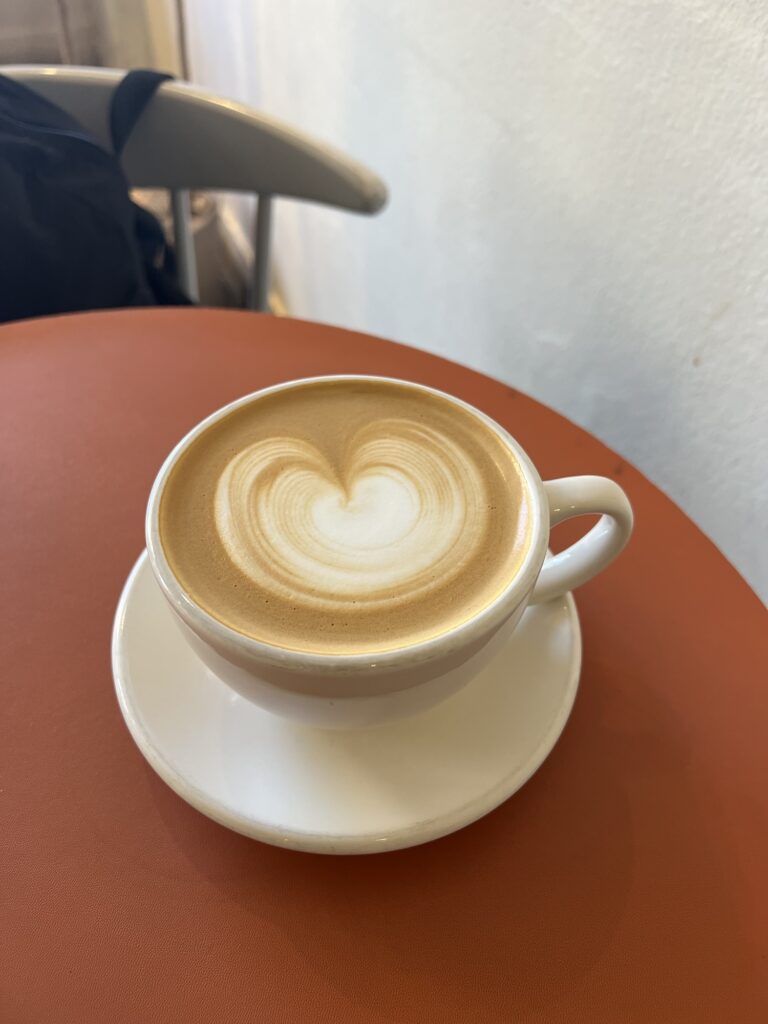
The latte at Biroso is worth noting specifically: it is well-balanced in a way that preserves the coffee’s character through the milk rather than burying it. For a café near Hongdae, where milk-forward drinks often dominate, this restraint is meaningful.
What to order:
∙ Espresso / Americano: The clearest expression of what Biroso does well
∙ Cafe Latte: Well-balanced; coffee character preserved through the milk
∙ Filter coffee: Ask what is currently available; worth choosing if offered
∙ Price range: 5,500 – 9,000 KRW
Practical Notes:
∙ Location: Near the Gyeongui Line Forest Park, Mapo-gu, Seoul
∙ Access: Short walk from Hongik University Station (Line 2 / Airport Railroad / Gyeongui-Jungang Line)
∙ Best for: Coffee enthusiasts; a calm start before the park walk; solo mornings
∙ Tip: Arrive before the neighborhood gets busy. The café is at its best in the quieter morning hours.


Info Biroso coffee
Opening hours : 10am - 10 pm
Price range : 4,500 -7,000won
Address : 42, Gwangseong-ro 6-gil, Mapo-gu, Seoul, Republic of Korea
∙ Espresso / Americano: The clearest expression of what Biroso does well
∙ Cafe Latte: Well-balanced; coffee character preserved through the milk
∙ Filter coffee: Ask what is currently available; worth choosing if offered

The Walk: Along the Gyeongui Line
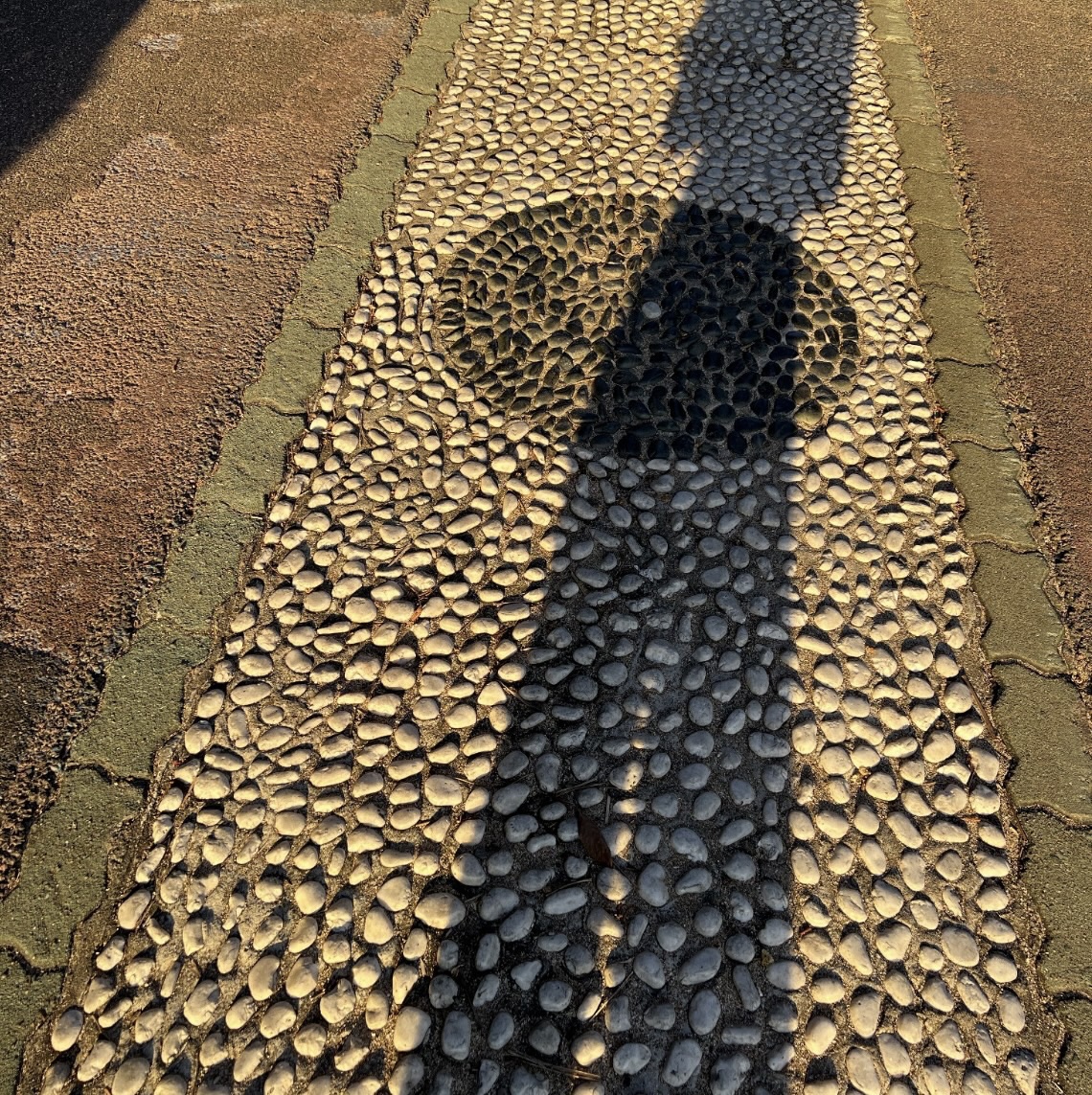
After coffee at Biroso, the course moves onto the park itself. The Gyeongui Line Forest Park runs for several kilometers through the neighborhood, and the section between Hongdae and Yeonnam-dong is among the most pleasant — wide enough for comfortable walking, lined with mature trees that provide shade in summer and structure in winter, and bordered by the kind of low-rise streetscape that makes the surrounding city feel present without being overwhelming.
Walking this section slowly takes approximately 20–30 minutes, depending on how often you stop to notice things. There is always something worth noticing: a dog being walked by someone who clearly loves it, a small vendor selling something seasonal, a group of students sitting on the grass in the way that young people sit in parks everywhere when the weather permits.
The park does not demand anything of you. It simply offers a route between things, and the quality of that route is what makes it worth taking seriously rather than skipping in favor of the subway.
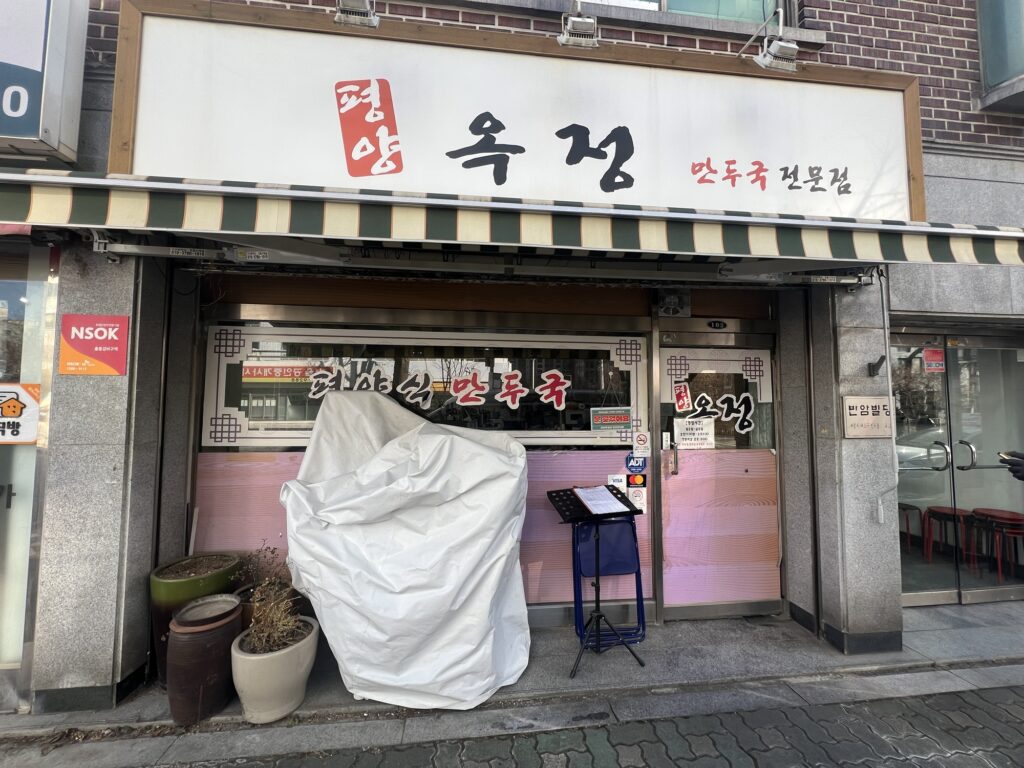
Stop 2: Okjeong (옥정) — Pyongyang-Style Mandu-guk with a Mother’s Touch

What Makes This Place Different
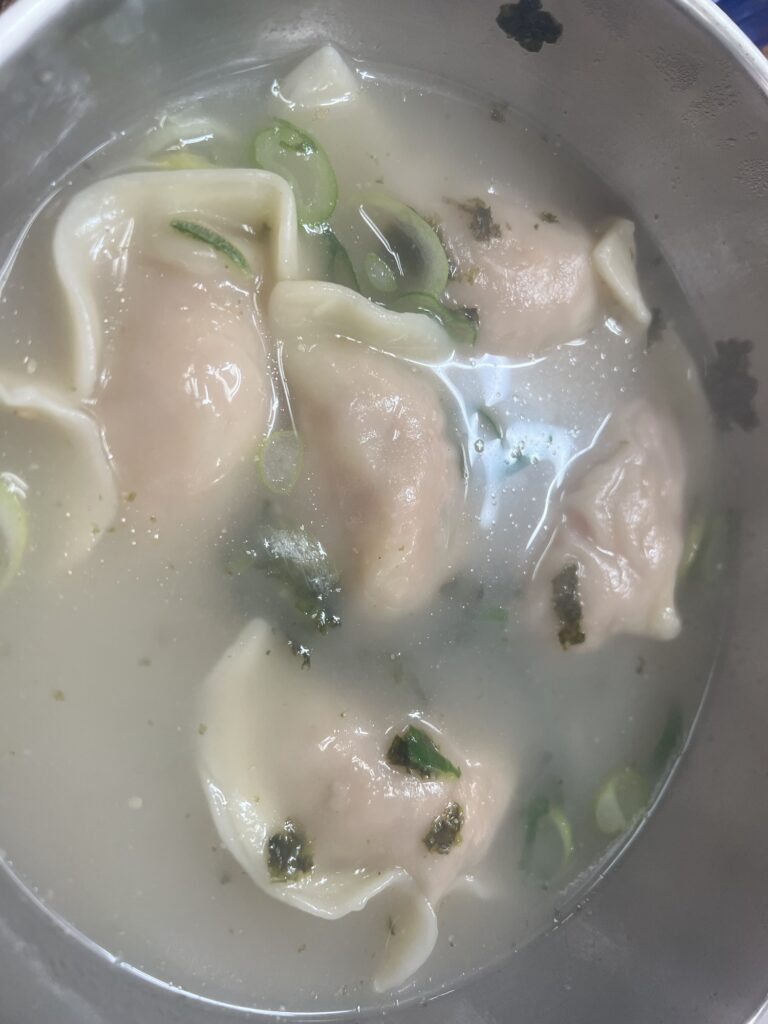
Okjeong is a Korean restaurant specializing in mandu-guk — dumpling soup — prepared in the Pyongyang style. This distinction matters more than it might initially seem. Pyongyang-style dumplings (pyongyang mandu) are larger than their southern Korean counterparts, with thinner skin and a filling that is more delicately seasoned — less heavily spiced, cleaner in flavor, and more reliant on the quality of the broth to carry the dish.
The broth at Okjeong is where the restaurant earns its reputation. Long-simmered and clear, it carries the warmth and depth that only comes from cooking done slowly and carefully over many repetitions. It is the kind of broth that Korean food writers describe as son-mat (손맛) — literally “hand taste,” the flavor that comes not from a recipe but from the accumulated skill and care of the person making it. At Okjeong, this quality is real rather than claimed: the soup tastes like it was made by someone who has been making it for a long time and cares about how it turns out.
The Food

The dumplings themselves are handmade — another detail that is common in marketing and less common in practice. At Okjeong, the handmade quality is evident in the texture of the skin and the proportion of the filling, which is generous without being overwhelming. The soup arrives warm and clear, with the dumplings floating in a broth that is complete on its own and made better by what it contains.
This is not a meal that announces itself loudly. Pyongyang-style mandu-guk is restrained food — its qualities are found in balance and depth rather than intensity. After a morning coffee and a walk through the park, it lands exactly right: nourishing, warm, and satisfying without being heavy.
The restaurant carries the feeling of a genuinely family-run operation, where the cooking reflects the preferences and skills of the people making it rather than a standardized kitchen formula. That quality — the son-mat that distinguishes home-style cooking from restaurant cooking at its most institutional — is increasingly rare in Seoul, and it is worth seeking out when you find it.
What to order:
∙ Mandu-guk (만둣국): The signature dish; Pyongyang-style dumpling soup with clear broth
∙ Additional dumplings: If available as a side option, worth adding
∙ Best for: Anyone interested in regional Korean food traditions; a warm and genuinely satisfying lunch; travelers who want to eat the way locals eat rather than the way visitors are expected to
Info about Okjoeng
Opening hours :11:30am - 2:30pm (only weekday, weekend off) last order 2pm
price range: 11,000 - 15,000won
Address: 106, Sinsu-ro, Mapo-gu, Seoul, Republic of Korea
∙ Tip: The restaurant operates on the rhythms of a family-run kitchen. Arrive at reasonable lunch hours and approach the meal at the pace it deserves.
The Walk Continues: Sindanging the Afternoon
After lunch at Okjeong, the course returns to the park for the second section of the walk. The afternoon light along the Gyeongui Line is different from the morning light — warmer and lower, falling through the trees at an angle that makes the path feel more enclosed and intimate. This is the section of the walk where the pace drops furthest, where the meal you have just eaten and the coffee waiting ahead create a natural rhythm of contentment.
The streets bordering the park in this section are worth exploring briefly — small independent shops, bookstores, and studios that reflect the creative community that has established itself along the Gyeongui Line corridor. None of these are required stops, but the ones you happen to notice while walking are worth the few minutes of detour they invite.
Stop 3: Hopinch (호핀치) — Charming Desserts at the End of the Walk


The Name and the Character
Hopinch — a name that does not translate directly but carries an immediately warm and playful quality — is a café whose character is communicated most clearly by the word agijagiham (아기자기함): a Korean term for the kind of charm that comes from small, carefully chosen details rather than grand gestures. Cute without being cloying. Charming without being manufactured.
Hopinch is a café that has found its aesthetic and committed to it fully. The interior is filled with the kind of small, carefully chosen objects and details that reward close attention — the kind of space where you notice something new each time you look around, and where each individual element contributes to a whole that feels genuinely considered rather than randomly assembled.
This quality of agijagiham is not easy to achieve. It requires real taste and consistent attention, and cafés that manage it tend to attract a loyal following precisely because the atmosphere is something you want to return to.

The Desserts

The desserts at Hopinch are presented with the same care that the interior reflects. Each plate arrives as a small composition — visually considered, proportioned to be satisfying without being excessive, and made with ingredients that reflect the seasonal sensibility that runs through the café’s menu.
The dessert options change with some regularity, which means the specific offerings on any given visit may differ from what is described here. What remains consistent is the approach: small, beautiful, and made well. The kind of dessert that you eat slowly because it deserves to be eaten that way, and that provides a
genuinely satisfying end to an afternoon that has been, throughout, about taking things at the right pace.
The Coffee

The coffee at Hopinch complements the desserts in the way that a good café’s coffee always complements its food: cleanly made, appropriately scaled, and designed to extend the experience of sitting rather than accelerate the end of it. The espresso-based drinks are reliable and well-executed, and the overall menu reflects the same care as the rest of the operation.
Sitting at Hopinch with a coffee and a dessert at the end of a Gyeongui Line walk is one of the more pleasant ways to conclude an afternoon in this part of Seoul. The charm of the space — the agijagiham — is most fully appreciated when you arrive in the right mood, which the walk and the meal before it are designed to produce.


What to order:


∙ Seasonal dessert: Ask what is currently being served; the selection changes with the season
∙ Cafe Latte / Americano: Clean and well-made; pairs naturally with the desserts
∙ Signature drinks: Check the current menu for house specials
∙ Price range: 6,000 – 13,000 KRW
Practical Notes:
∙ Location: Gyeongui Line Forest Park area, Mapo-gu, Seoul
∙ Best for: Dessert lovers, couples, anyone who appreciates charm and detail in a café interior; a natural and satisfying end to the park walk


Info about Hawfinch
Opening hours : 9am - 6pm (weekday)
10am - 6pm (Saturday), Sunday off
Price range : 4,500 -7,000won
Address : 6, Gwangseong-ro 6an-gil, Mapo-gu, Seoul, Republic of Korea
∙ Tip: Hopinch is a café that rewards arriving without a time constraint. Order, sit, and let the afternoon finish at its own pace.
Suggested Timeline
∙ 10:00 – 11:00 AM: Biroso Coffee. Start with a well-made espresso or filter coffee. Take your time — the walk is ahead.
∙ 11:00 – 11:30 AM: First section of the Gyeongui Line walk. Move at whatever pace feels right.
∙ 12:00 – 1:00 PM: Okjeong. Pyongyang-style mandu-guk for lunch. Eat slowly and appreciate what is in the bowl.
∙ 1:00 – 2:00 PM: Second section of the Gyeongui Line walk. The afternoon light is good. Explore the side streets if something catches your attention.
∙ 2:00 – 3:30 PM: Hopinch. Dessert and coffee. Stay until the afternoon feels finished.
Who This Course Is For
∙ Park walkers and slow travelers who want a course where the journey between stops is as good as the stops themselves
∙ Food enthusiasts interested in regional Korean cuisine — Okjeong’s Pyongyang-style dumplings represent a food tradition that is not widely known outside Korea and is genuinely worth experiencing
∙ Coffee and café travelers who want to compare two distinct café approaches — Biroso’s precision coffee and Hopinch’s charming dessert-café atmosphere — within a single afternoon
∙ Couples and pairs for whom the combination of a park walk, a warm traditional lunch, and a charming dessert café makes a natural and complete half-day
∙ Anyone who has been to Hongdae or Yeonnam-dong and wants to experience the neighborhood at a slower pace than those districts usually encourage
Getting There
Hongik University Station (Seoul Metro Line 2, Airport Railroad, Gyeongui-Jungang Line) is the most convenient starting point. The Gyeongui Line Forest Park begins effectively from this station, and Biroso Coffee is within easy walking distance of the park entrance.
The course follows the park corridor naturally, with each stop accessible from the path without significant detours. No additional subway trips are needed between stops — the walk connects everything.