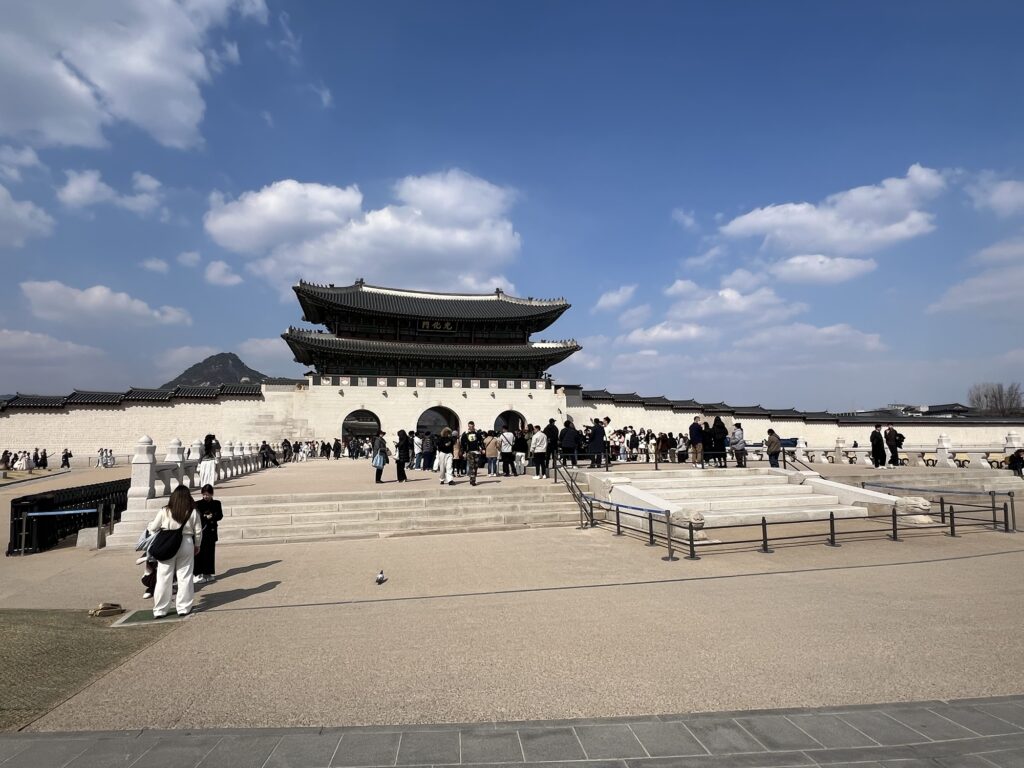
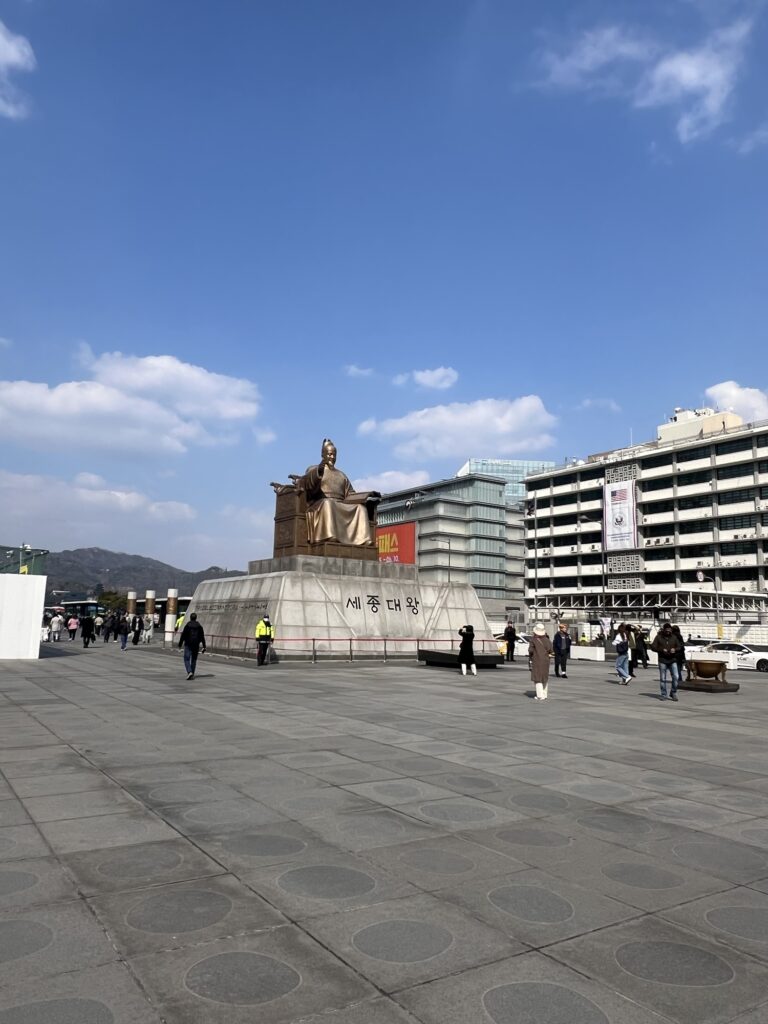
Gwanghwamun is one of the most recognizable addresses in Seoul — the plaza, the palace, the wide boulevards lined with government ministries and major corporations. Most visitors who come here are focused on the landmarks. Most of the people who work here every day are focused on something else entirely: finding a good lunch, a decent coffee, and somewhere to sit for an hour without feeling like a tourist.
This route is written from that second perspective. Five stops — a hand-drip café tucked near the palace, a basement canteen that quietly feeds the office crowd, a standing espresso bar that helped introduce Italian coffee culture to Korea, a seventy-year-old buckwheat noodle institution, and a modern café built for actually getting work done — represent the Gwanghwamun that locals use every day. None of them are on the usual tourist circuit, but all of them are worth finding.
Route: Beolsae Café → Oyang Sikgwan → Leesar Coffee → Mijin → Peer Coffee
Area: Gwanghwamun / Jongno, central Seoul
Best time: Weekday morning through afternoon
Rough budget: 35,000–45,000 KRW per person
The district around Gwanghwamun Plaza is packed with government offices, media companies, law firms, and financial institutions, which means the lunch and coffee culture here developed around daily working life rather than tourism. That’s part of why the best spots tend to be invisible to visitors — basement restaurants with no English signage, standing coffee bars tucked into office lobbies. This route maps five of them into a walkable half-day.
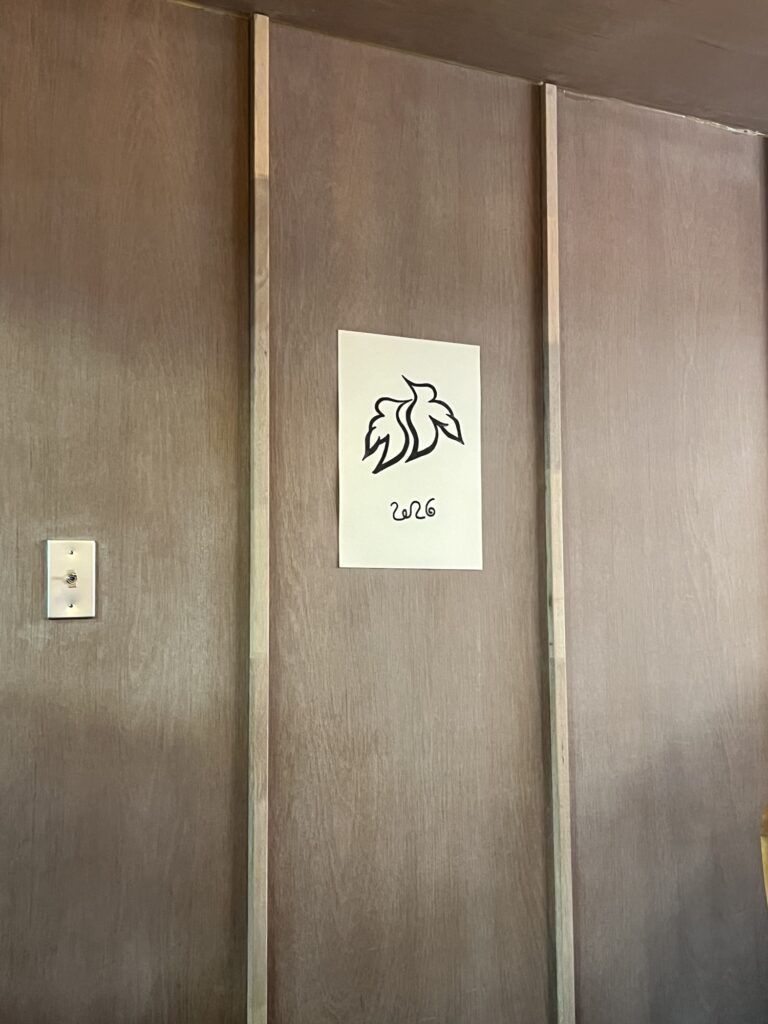
Beolsae Café (벌새) — Hand-Drip Coffee Near Gyeongbokgung
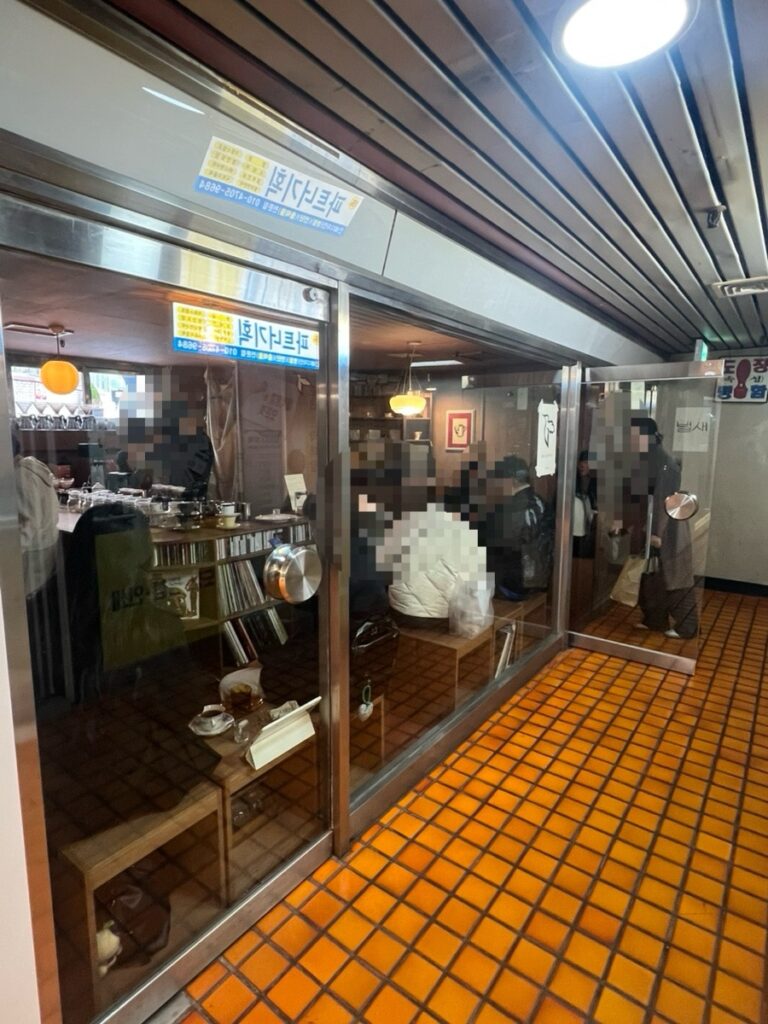
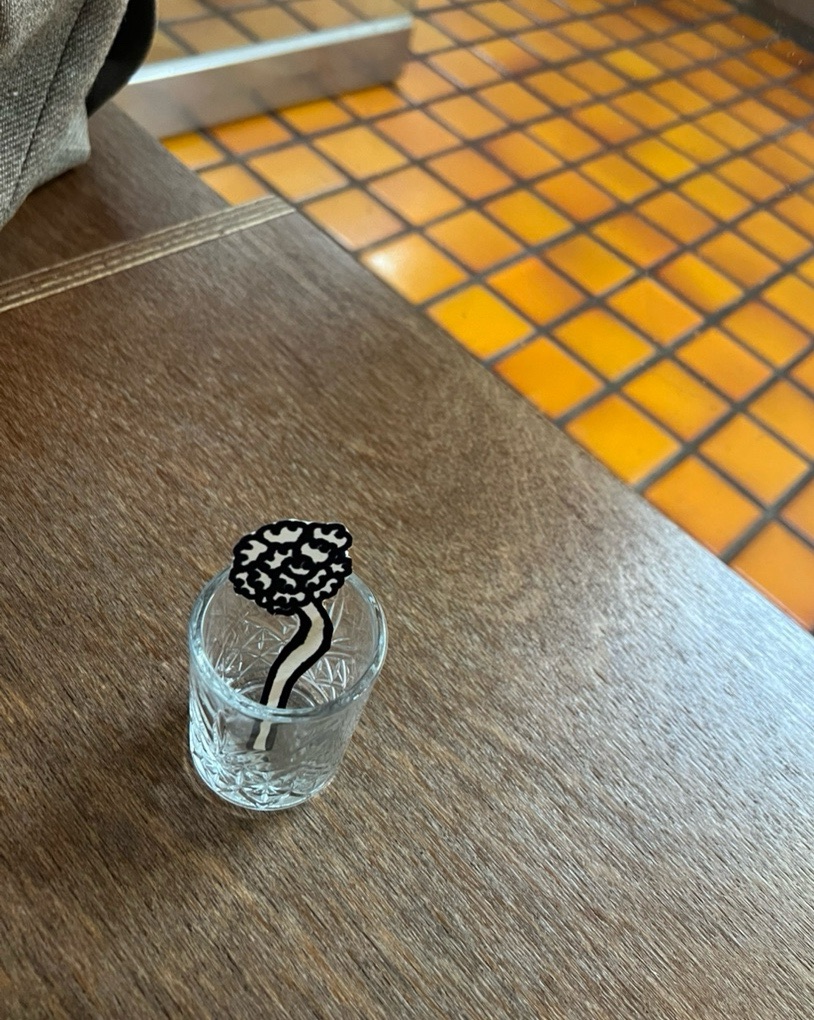
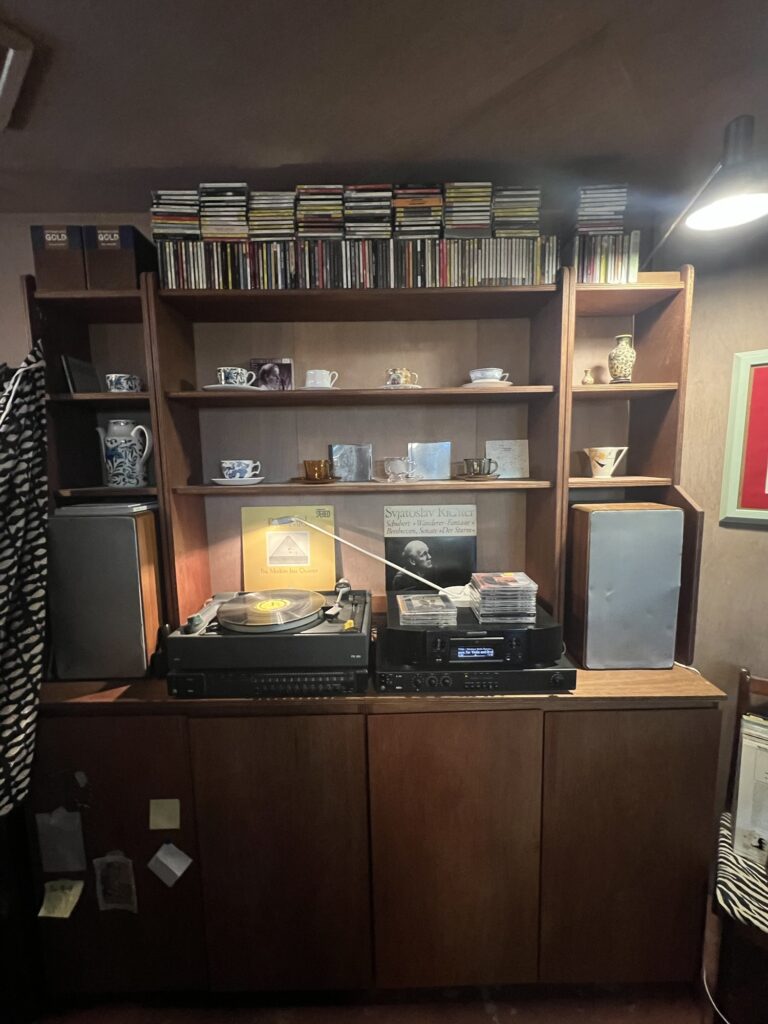
Beolsae means hummingbird in Korean, and the name fits — small, delicate, close enough to Gyeongbokgung that stepping from the palace’s scale into this tiny room feels like part of the experience. The interior is a carefully assembled world of vintage objects: worn wooden furniture, antique cups lined along the bar, a ceiling light with the warm amber glow of a Korean living room from the 1980s. There’s a paper flower in a glass that never wilts — a small detail, but it tells you something about the level of care here.
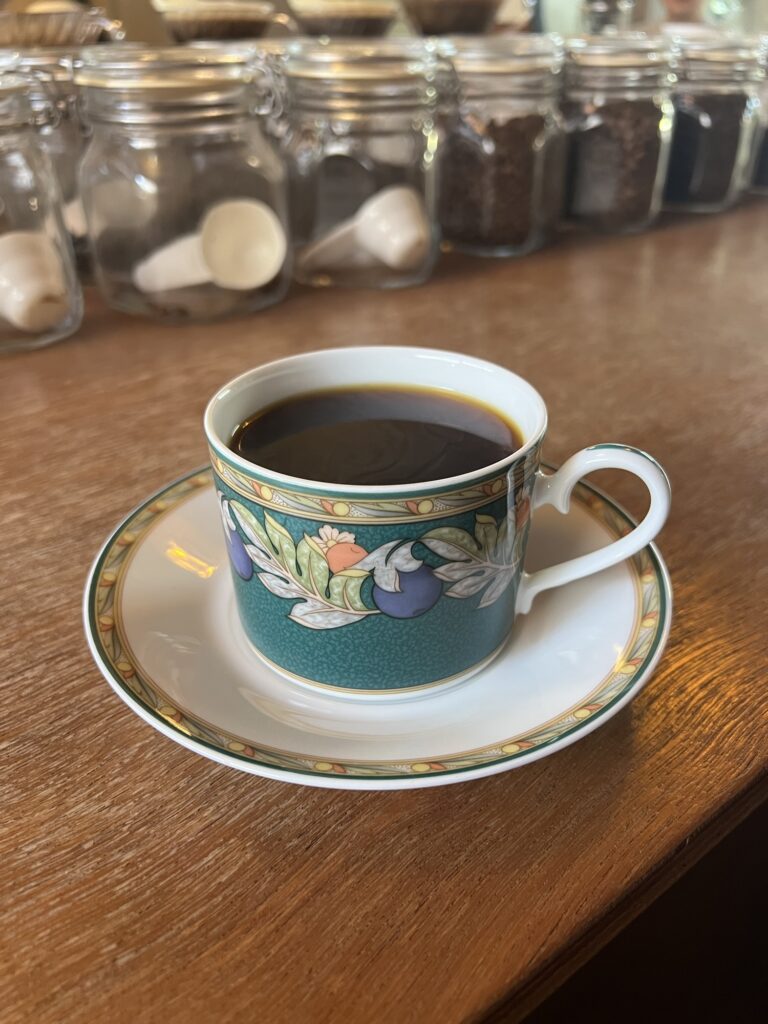
Hand-drip is the core of what Beolsae does, and it’s prepared with real precision — each cup brewed individually and served in an antique ceramic cup that adds its own texture to the experience. Single-origin beans rotate, and the staff are happy to walk you through what’s currently on offer. Morning light falling across the vintage decor and the row of drippers on the counter makes this a particularly good early stop — the kind of café that rewards sitting still.
What I’d order:
• Hand-drip coffee — ask for the current single-origin recommendation
• Cold brew — a reliable option if you’d rather have something cold
The café is small and fills up during peak hours, so weekday mornings before 10 AM are the calmest window.
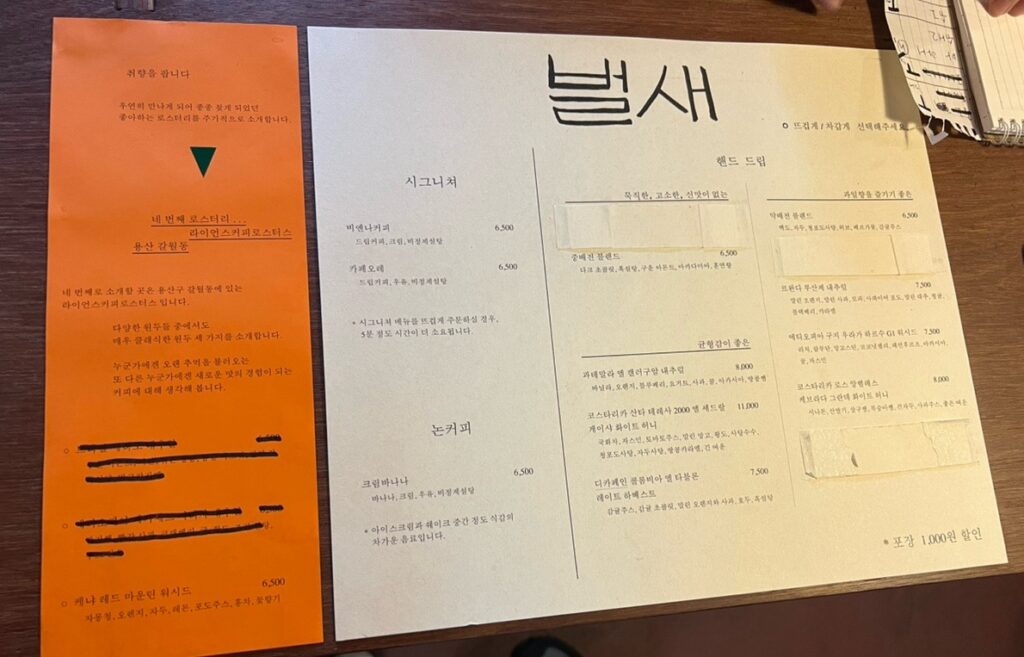
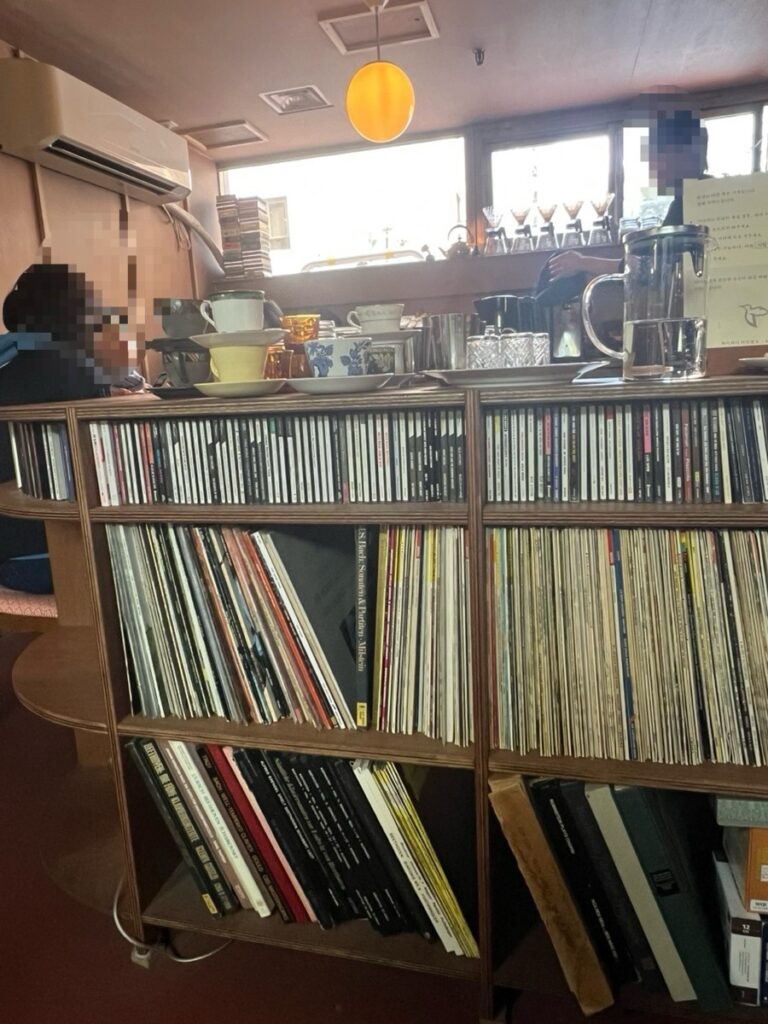
Info about Beolsae cafe
Address: 12, Saemunan-ro 3-gil, Jongno-gu, Seoul, Republic of Korea
Hours: 11:30 AM–7 PM (closed Sat & Sun)
Price range: 6,500–11,000 KRW
Oyang Sikgwan (오양식관) — The Basement Canteen That Feeds Gwanghwamun
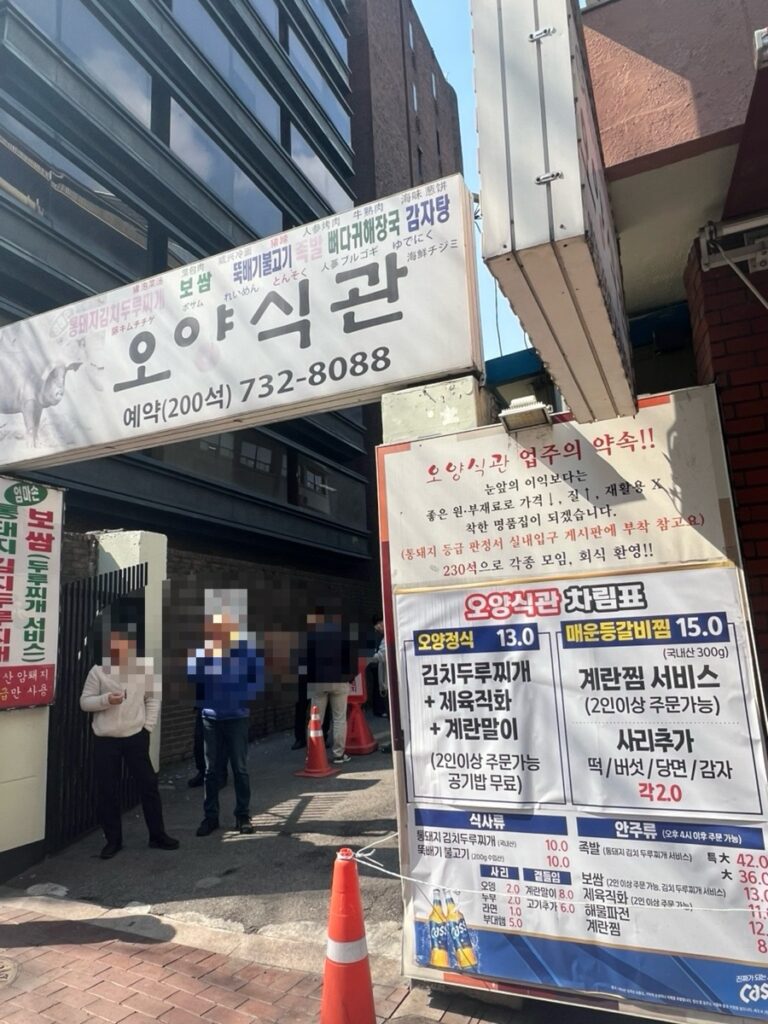
Oyang Sikgwan takes some effort to find on a first visit and becomes completely automatic after that. It’s in the basement of an office building on Sejong-daero, and it’s been feeding the Gwanghwamun working population long enough that regulars think of it as just part of the workday rhythm. It doesn’t advertise. It survives on the loyalty of people who come back because the food is genuinely good and fairly priced. Walking in, the energy is immediate — loud kitchen, efficient service, tables turning over fast at lunch.
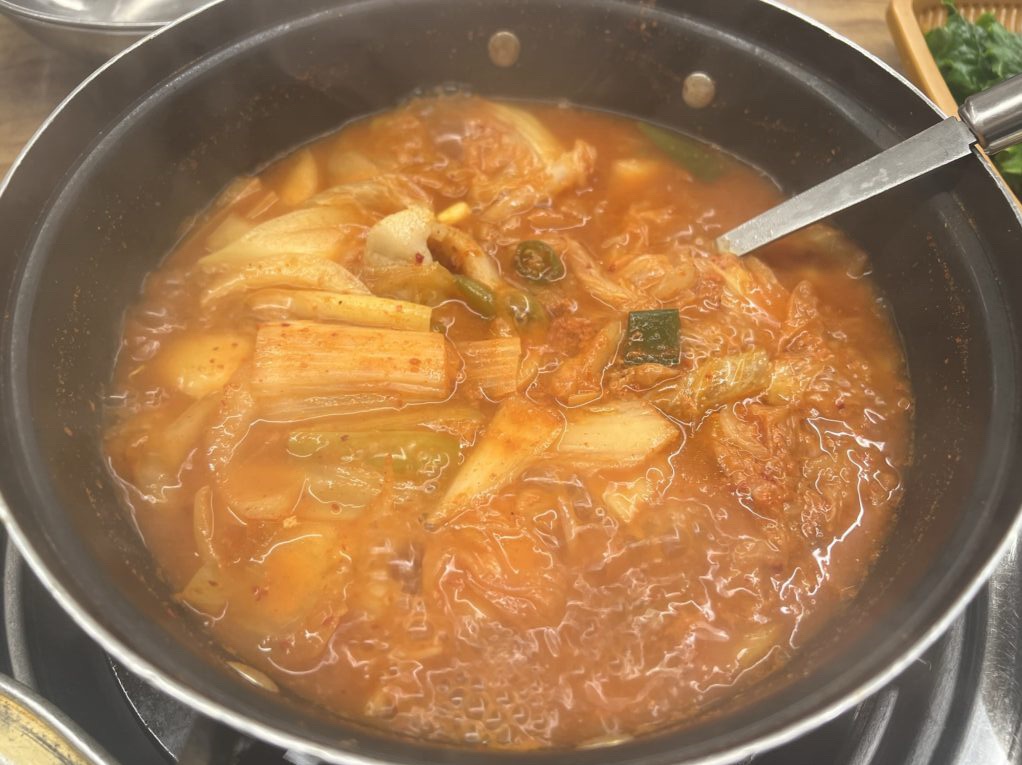
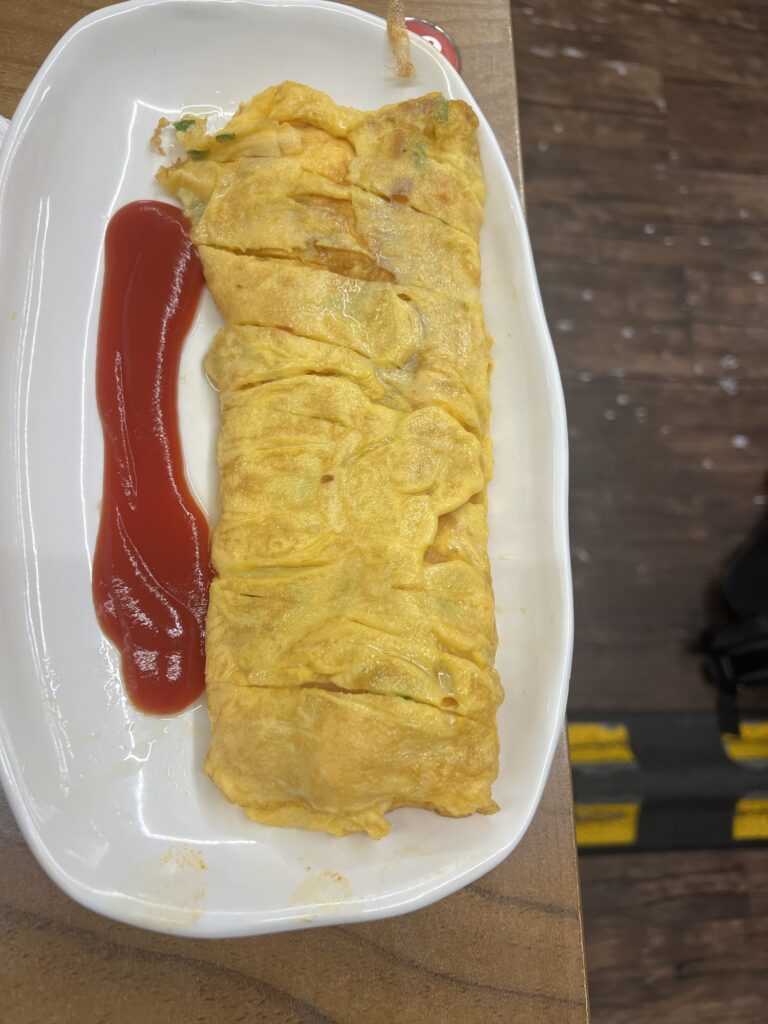
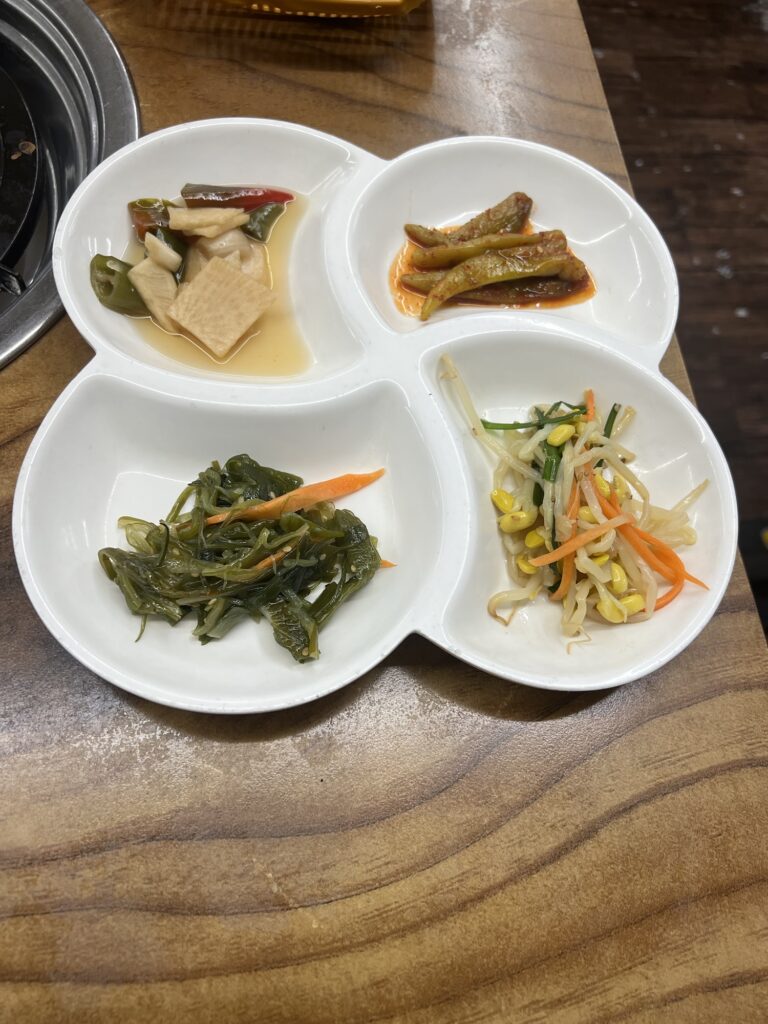
Everything good here starts with the kimchi — fermented long enough to develop real depth. Kimchi Jjigae (김치찌개) has a rich, layered broth, and adding ramen noodles to soak up what’s left is highly recommended. Kimchi Duruchigi (김치 두루치기) — spicy stir-fried pork with aged kimchi — is spicier and more complex. The self-service banchan bar has unlimited refills, and the egg rolls in particular have a home-cooked quality that’s hard to find commercially. If the spice gets to be too much, a side of gyeran-jjim (steamed egg) balances things out.
What I’d order:
• Kimchi Jjigae — the flagship; add ramen noodles for the full experience
• Kimchi Duruchigi — more intense, more complex
• Gyeran-jjim — a good side if you’re sensitive to spice
Arrive before noon if you can — it fills up fast once the lunch crowd rolls in from the surrounding offices.
Info about oyangsikgwan
Address: 49, Sejong-daero 21-gil, Jung-gu, Seoul, Republic of Korea
Hours: 10 AM–10 PM (break 2–4 PM, closed Sundays)
Price range: 10,000–13,000 KRW per person
Leesar Coffee (리사르 커피) — Italy’s Espresso Bar, Transplanted to Jongno
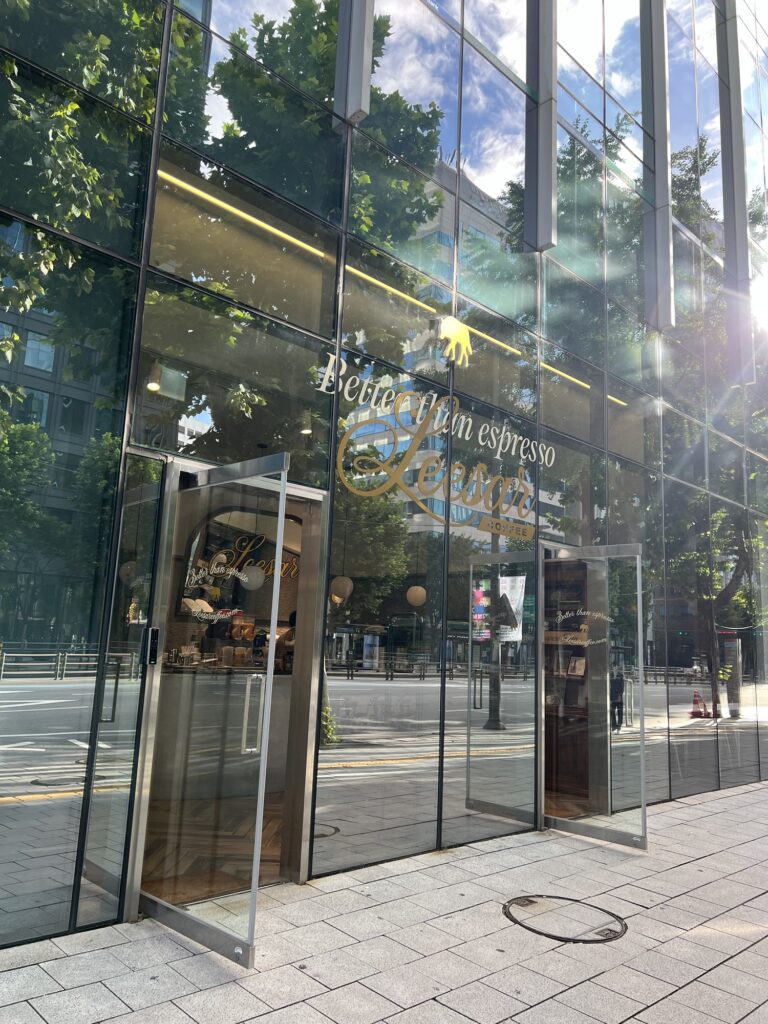
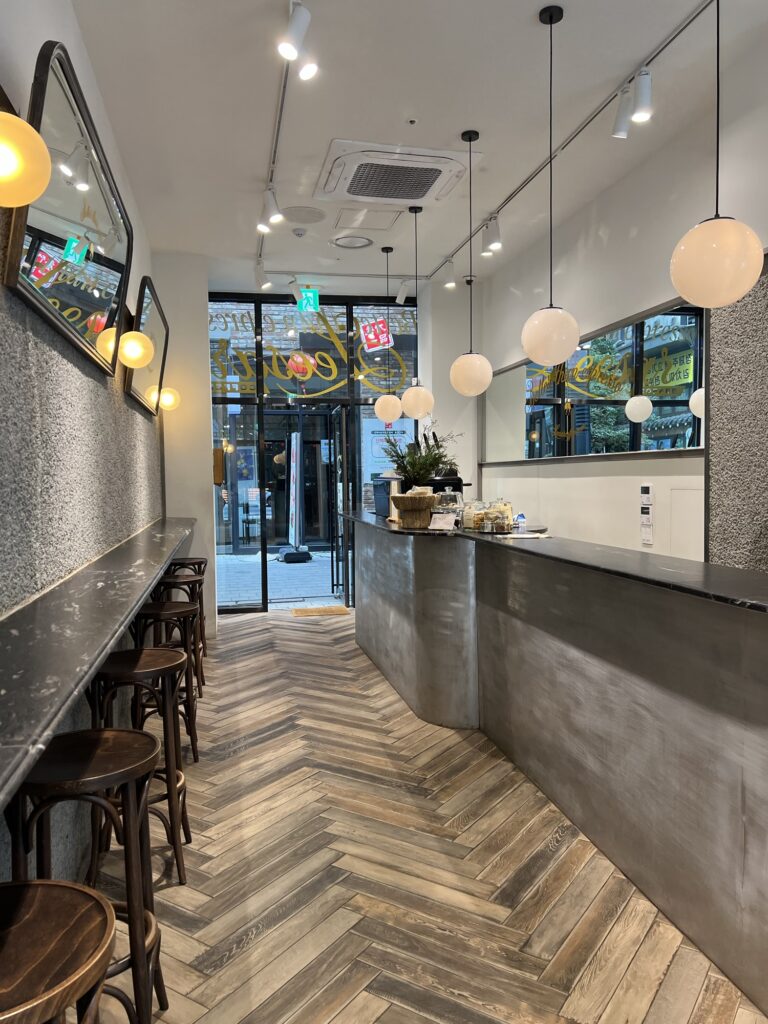
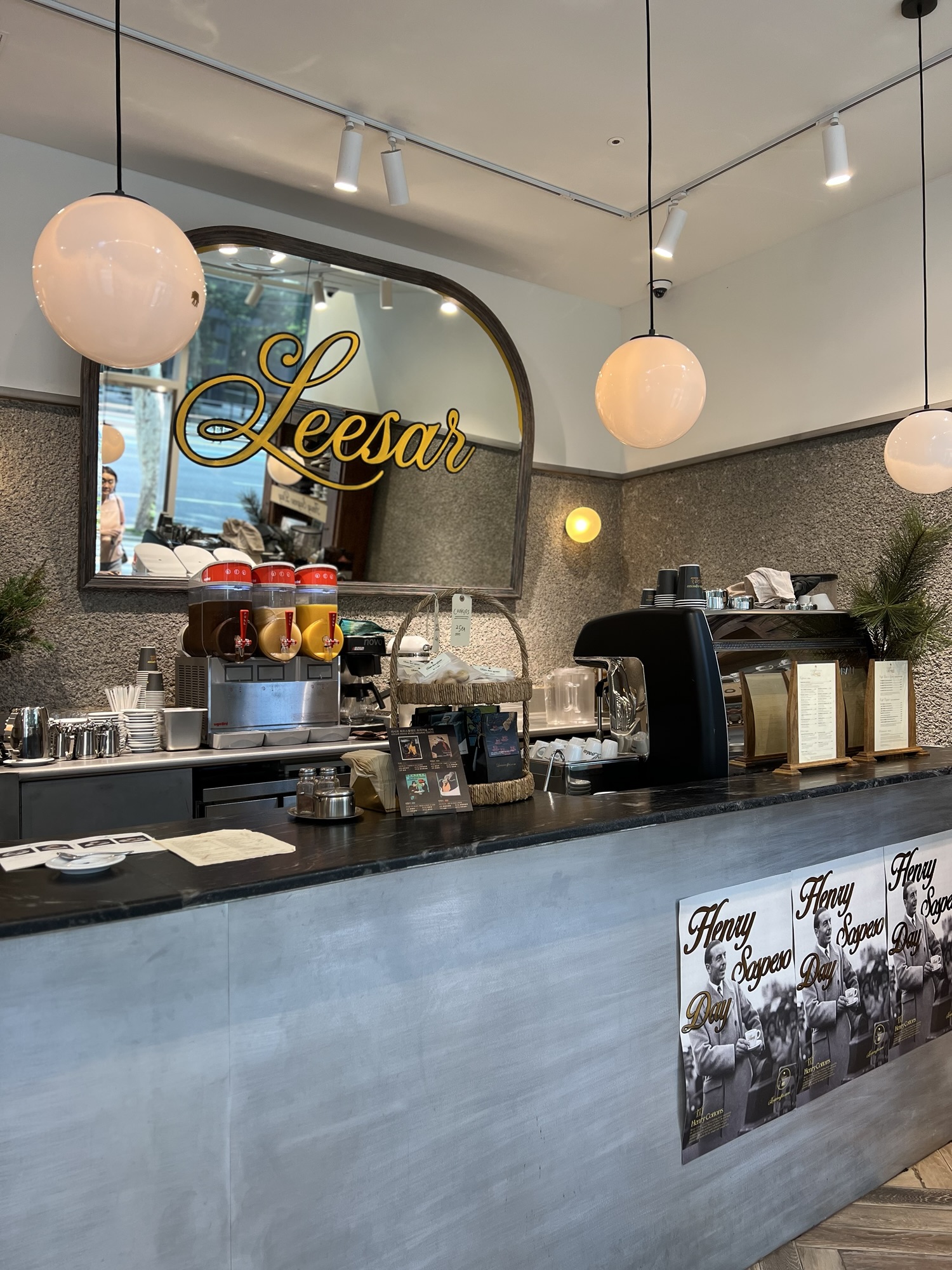
Leesar Coffee has a specific place in Seoul’s coffee history — it’s widely credited as the café that introduced the Italian standing espresso bar format to Korea. In Italian bar culture, you order at the counter, drink your espresso standing, and move on; the whole visit takes five minutes. That model was basically unknown here before Leesar, in a city where café culture had grown up around long, seated visits.
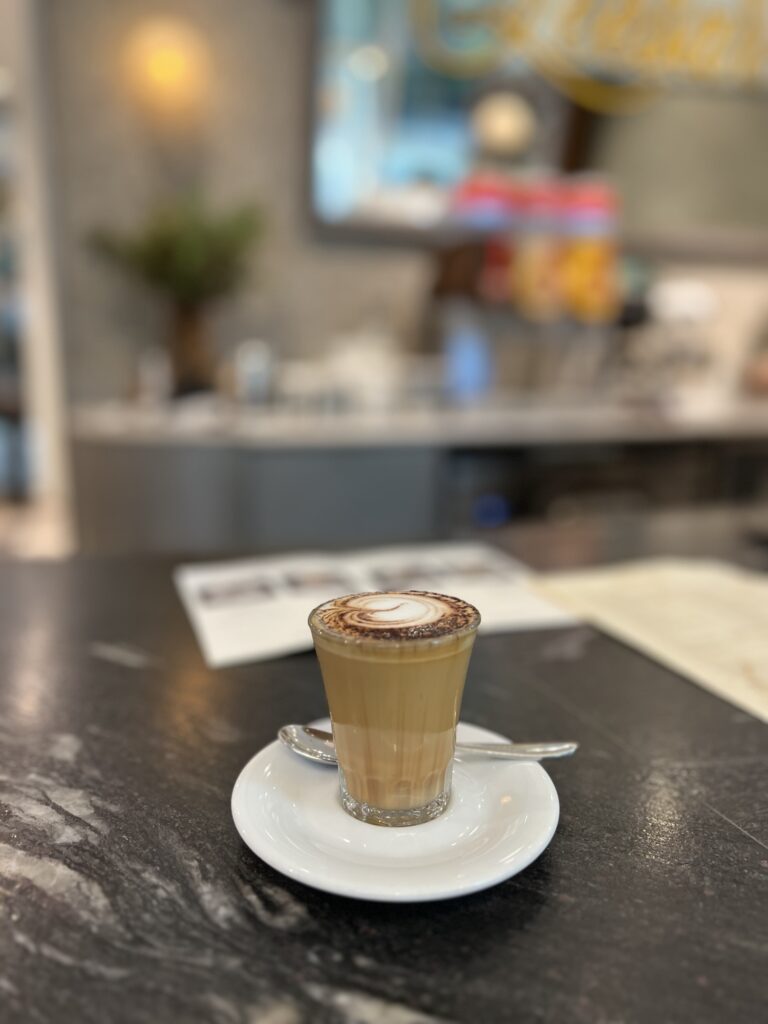
The Jongno branch matches its surroundings with dark wood and stone that create a warm, focused space centered entirely on the bar. The menu is deliberately narrow — this isn’t a café chasing seasonal variations, it’s decided what it does well and sticks to it. Cafe Caffe is the straight espresso and the benchmark. Cafe Pieno adds cocoa powder and cream, a softer entry point. Cafe Onneroso — the fan favorite — is espresso with cream and a touch of milk, like a concentrated mini latte. Without a chair to settle into, the focus naturally goes to what’s in the cup, and you can be back on the street in under ten minutes.
What I’d order:
• Cafe Onneroso — the most popular pick
• Cafe Pieno — gentler if espresso alone feels too intense
• Cafe Caffe — the straight shot, best for judging the coffee itself
Info about Leesar coffee
Address: 7, Jong-ro 5-gil, Jongno-gu, Seoul, Republic of Korea
Hours: 7 AM–9 PM (last order 8:30 PM)
Price range: 2,800–5,500 KRW
Format: Standing bar only, no seating
Mijin (미진): Gwanghwamun’s Legendary Buckwheat Noodle Restaurant
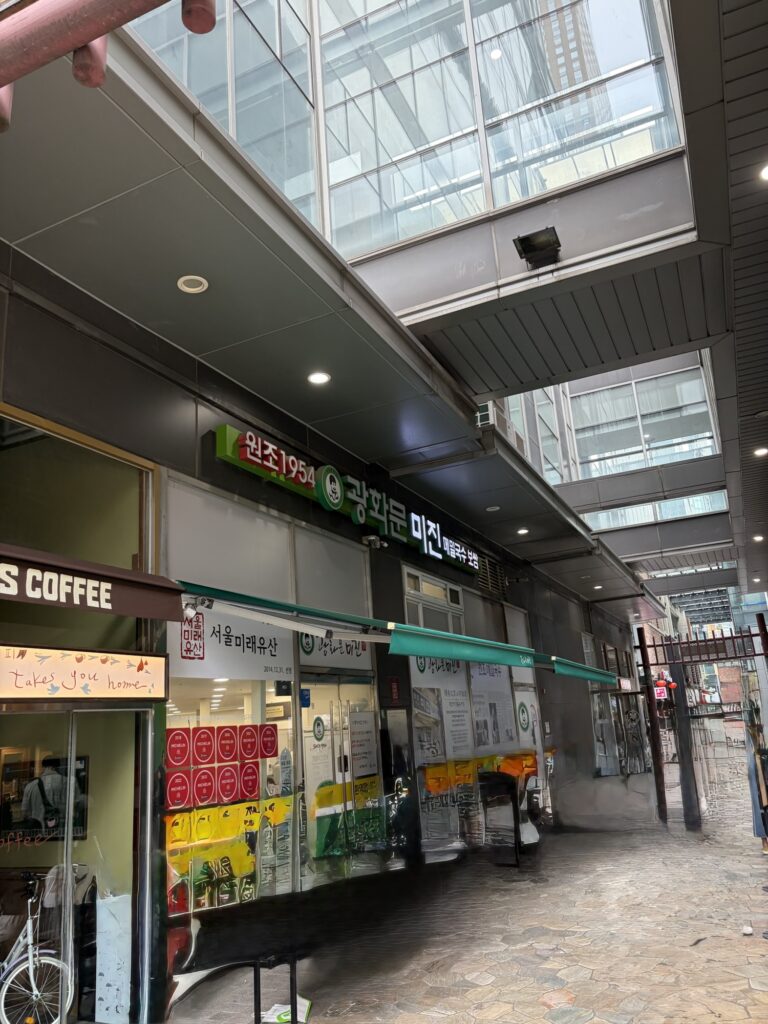
Some restaurants survive on reputation. Mijin survives because it’s genuinely, consistently excellent. Open since 1954 at the same location, it’s earned a Michelin Bib Gourmand designation multiple years running and has been named a Seoul Future Heritage site. The lunchtime line outside tells you everything you need to know.
Mijin does one thing — Korean-style cold buckwheat noodles, known locally as momil or memil — and does it at a level that’s kept people coming back for seven decades. Unlike Japanese soba’s lighter dashi-based dipping sauce, Mijin’s noodles come with a rich, savory Korean soy-based broth seasoned with grated radish, seaweed flakes, and spring onion — salty, faintly sweet, deeply satisfying. The noodles are made fresh daily in the restaurant’s own basement and aged about a day after kneading, which is where the signature chewiness comes from.
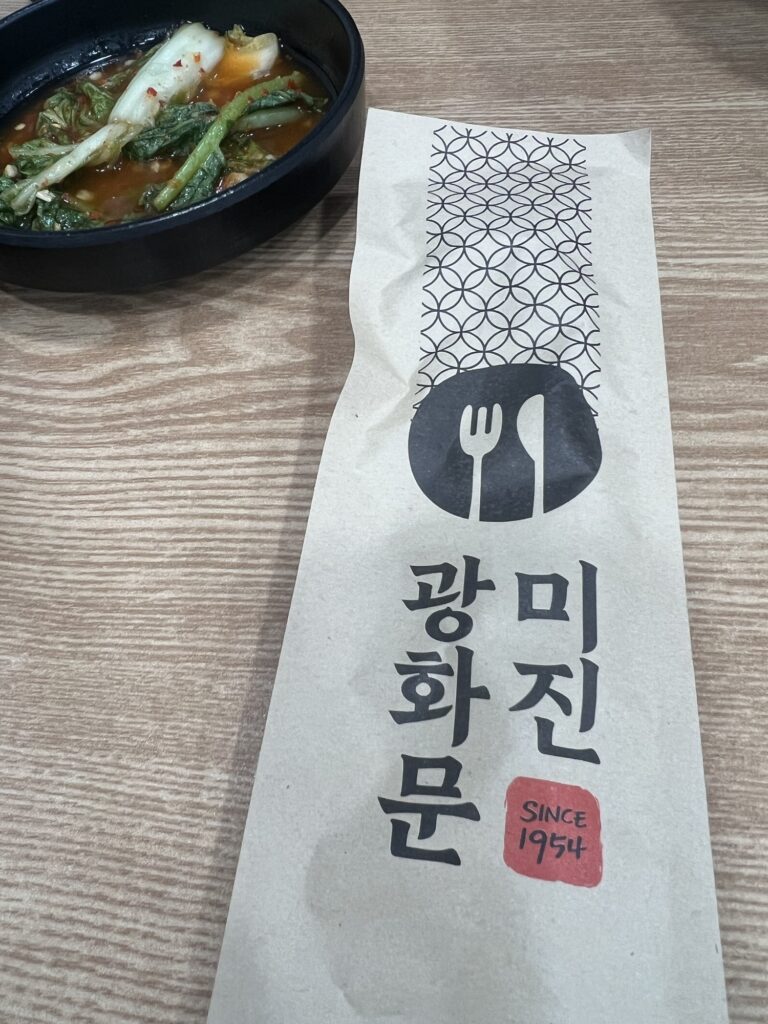
The interior hasn’t been updated to chase any current café aesthetic, and that’s part of the appeal — Michelin certificates and newspaper clippings line the walls, not as decoration but as a kind of record. Service is quick and direct; there’s always another group waiting, so this isn’t a place to linger after the last bite.
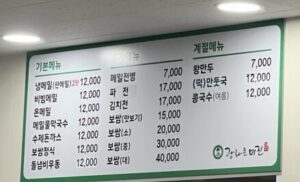
What I’d order:
• Pan Memil (판메밀) — cold buckwheat noodles, the dish everyone comes for. Pour the broth over the noodles, add the radish and seaweed from the condiment tray, and eat right away.
• Donkatsu (돈까스) — the pork cutlet surprises people who came only for the noodles. Ordering both is a very popular combination.
• Bibim Memil (비빔메밀) — buckwheat noodles in spicy mixed sauce instead of broth, for those who want more heat
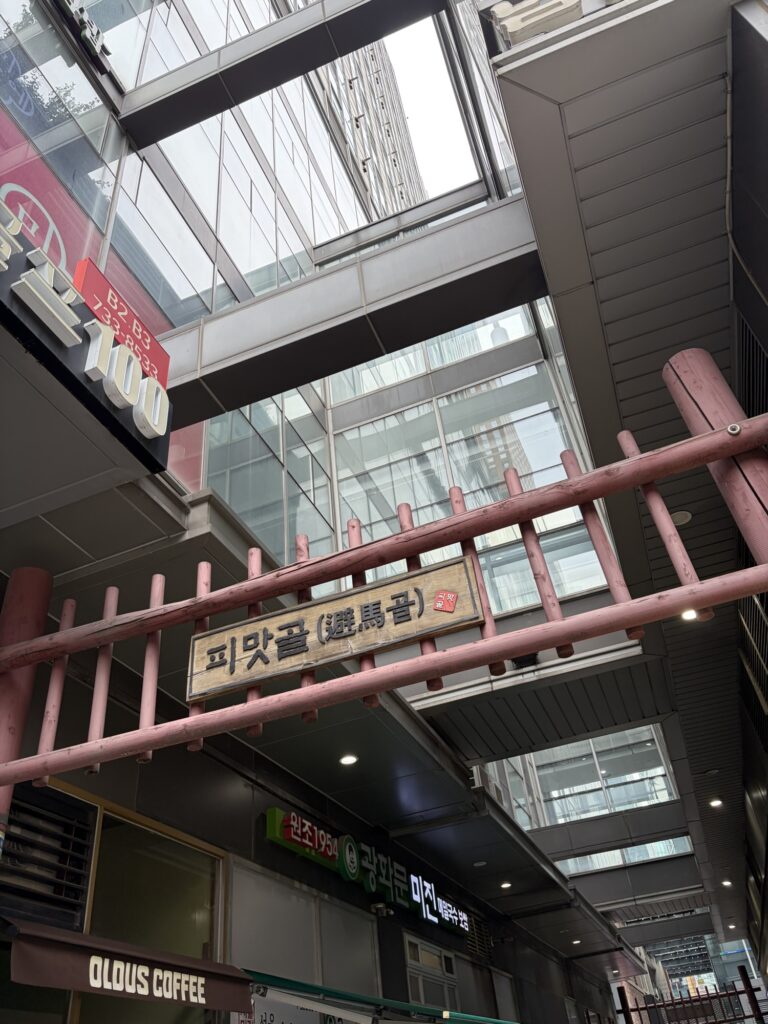
info about mijin
Address: 1F, 19 Jong-ro, Jongno-gu, Seoul, Republic of Korea
Hours: 10:30 AM–9 PM (last order 8:30 PM)
Price range: 11,000–18,000 KRW per dish
Peer Coffee (피어 커피) — The Modern Café That Gets Everything Right
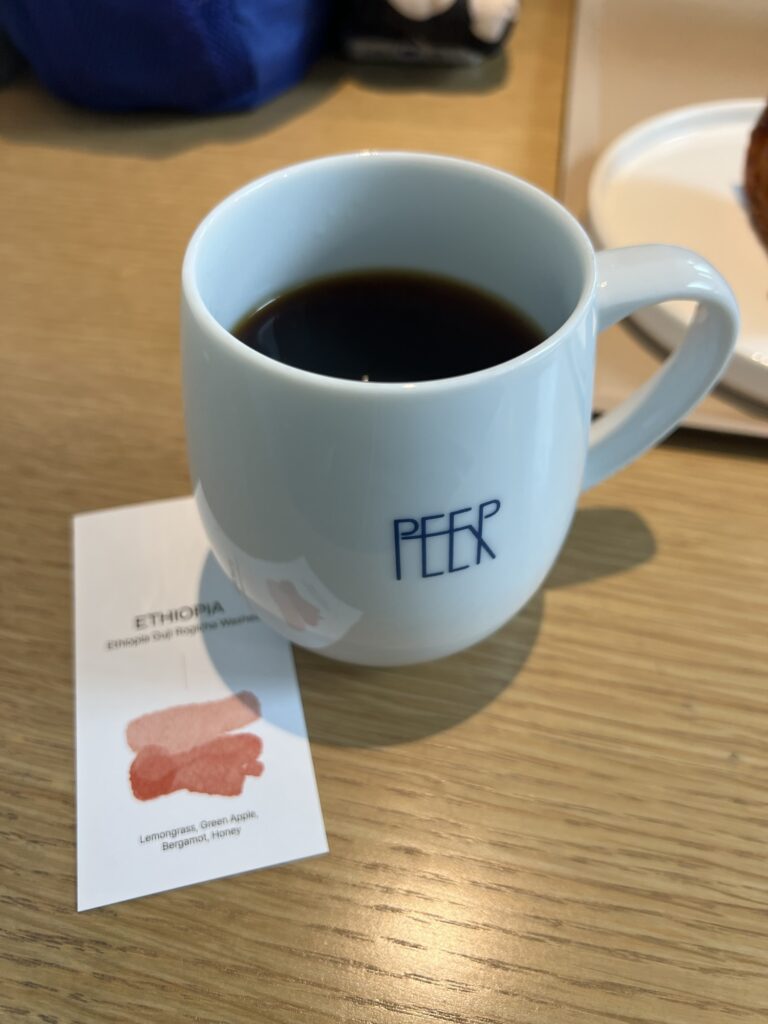
Peer Coffee is a small Korean café chain, and it brings a level of consistency and considered design to each location that independent cafés don’t always manage. What sets it apart in this neighborhood is simple: a genuinely spacious interior, comfortable modern design, reliable coffee, and — increasingly valuable for anyone working nearby — accessible power outlets at most seats.
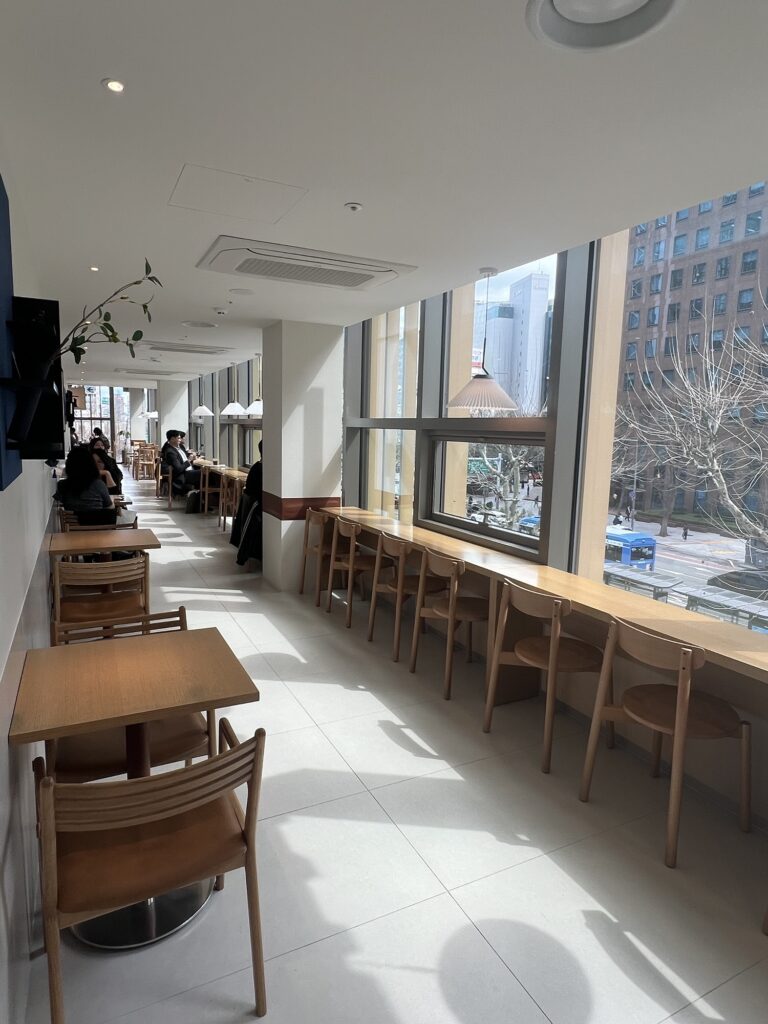
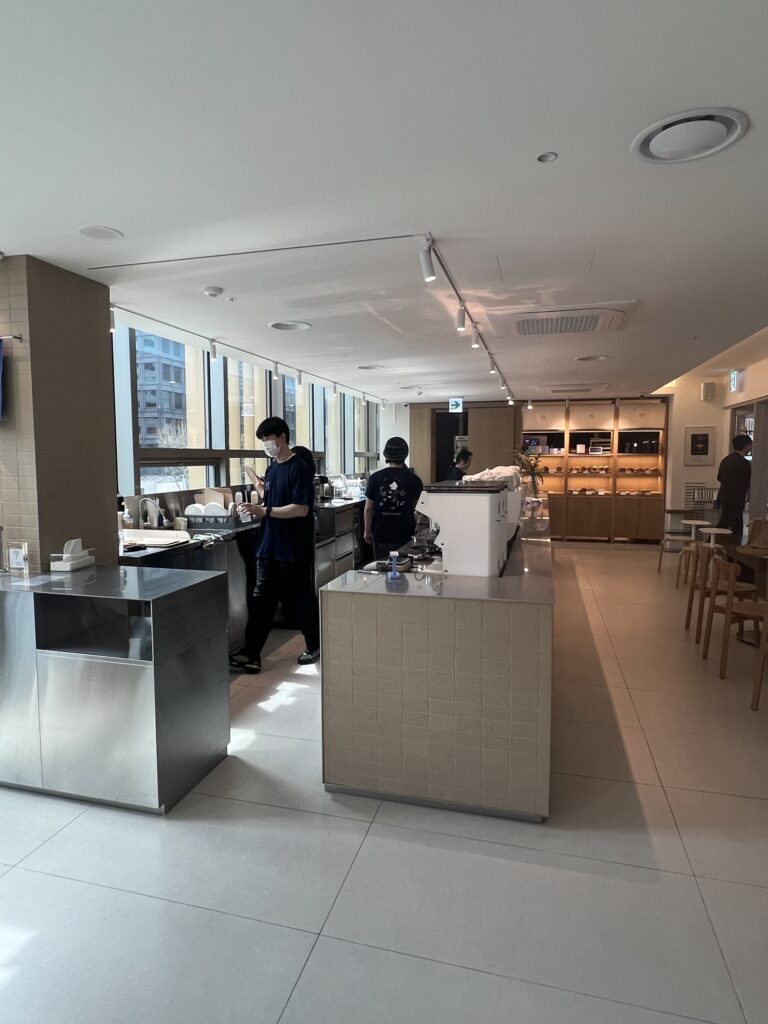
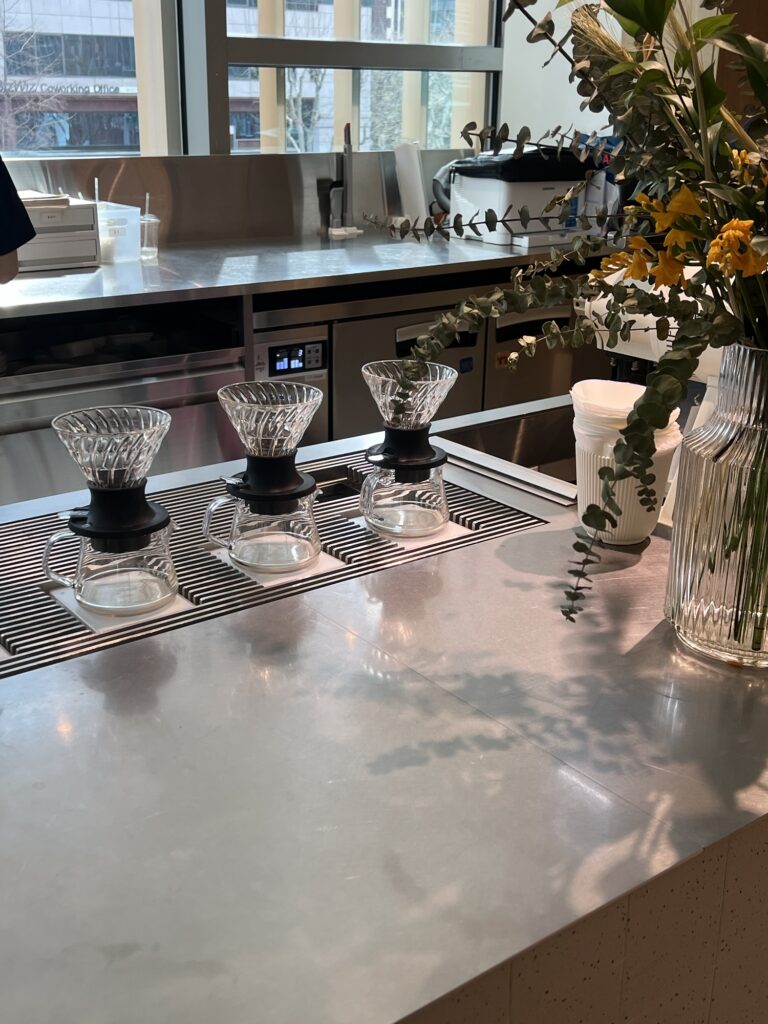
The space is clean and uncluttered, tables spaced generously enough that conversations feel private and laptops feel welcome, lighting bright enough for a long working session without being harsh. The coffee menu covers the standard espresso-based range, executed reliably — not a rotating single-origin program, just good coffee done consistently, which is exactly what a working café needs to be.
What I’d order:
• Café Latte — smooth and consistent
• Americano — clean, straightforward
If you need to settle in with a laptop for a couple of hours after lunch, this is the natural last stop on the route.
info about peer coffee
Address: 2F, 33 Jong-ro, Jongno-gu, Seoul, Republic of Korea
Hours: Weekdays 8 AM–9 PM (last order 8:30 PM); weekends & holidays 10 AM–9 PM
Price range: 5,300–8,000 KRW
Getting There
Gwanghwamun Station (Line 5) is the most central access point, with exits leading straight to the plaza and the surrounding office district. Gyeongbokgung Station (Line 3) works as an alternative if you’re starting closer to the palace end. All five stops are within easy walking distance of each other — the area’s compact enough to cover on foot, and the streets between stops are worth taking slowly rather than rushing straight from one door to the next.