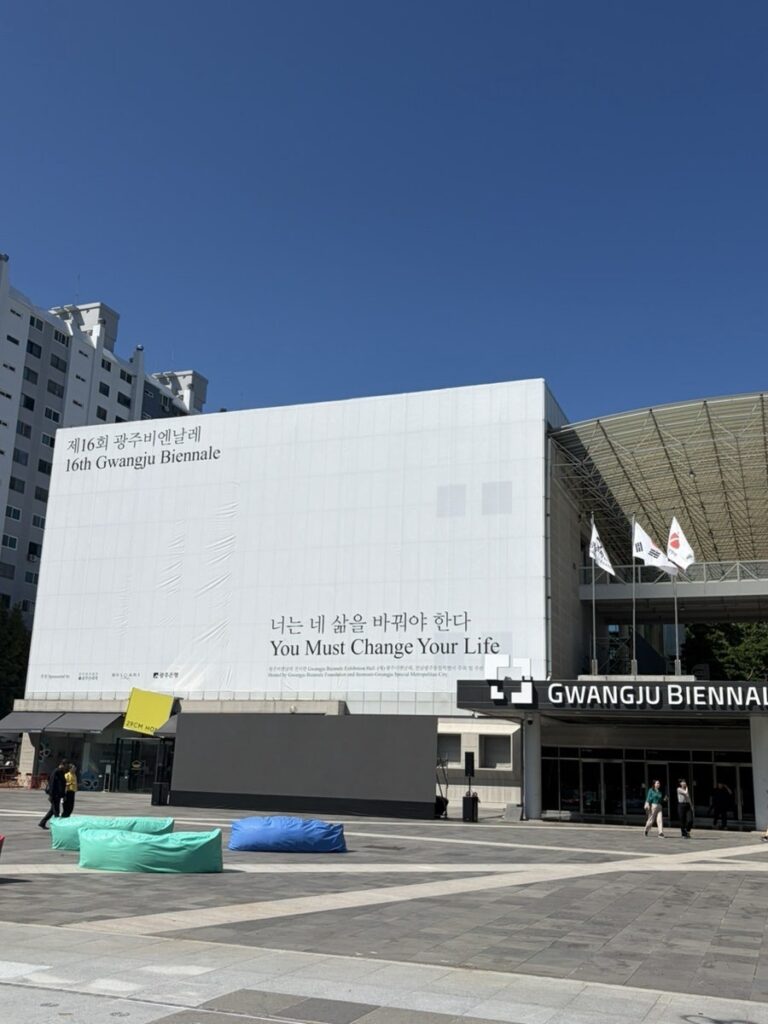
I travelled to Gwangju from Yongsan Station by KTX. Trains to the Jeolla region are more frequent from Yongsan than from Seoul Station, so I usually depart from there.
After arriving at Gwangju Songjeong Station, I took a taxi to the main exhibition venue. It takes about an hour to get there by public transport, and there is no direct bus to the Biennale Exhibition Hall.
The 2026 Gwangju Biennale took place at the Biennale Exhibition Hall and in several pavilions across the city. I enjoyed moving around Gwangju to visit the different exhibitions. I spent two days exploring the main exhibition and the city pavilions.
Day 1: The Main Exhibition
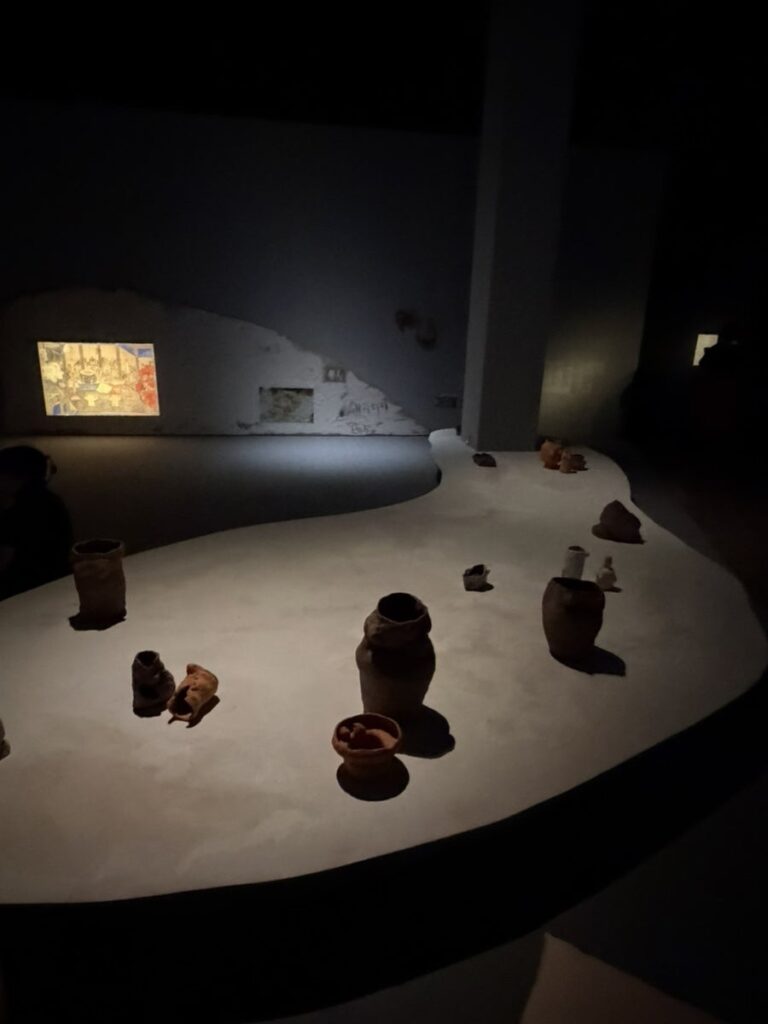
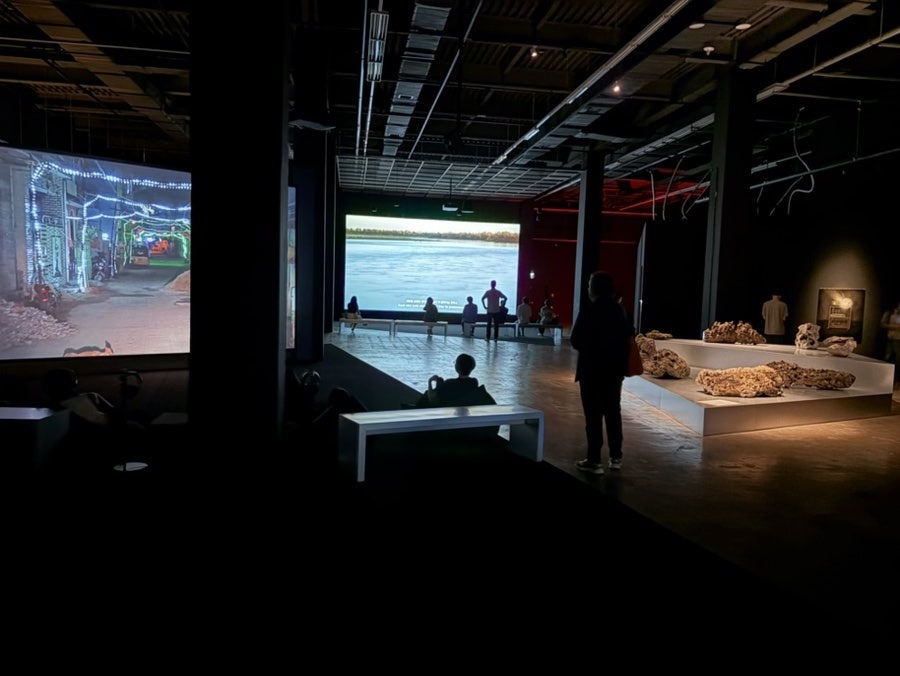
On the first day, I visited the main exhibition at the Biennale Exhibition Hall. The exhibition included paintings, installations, and video works across five spaces.
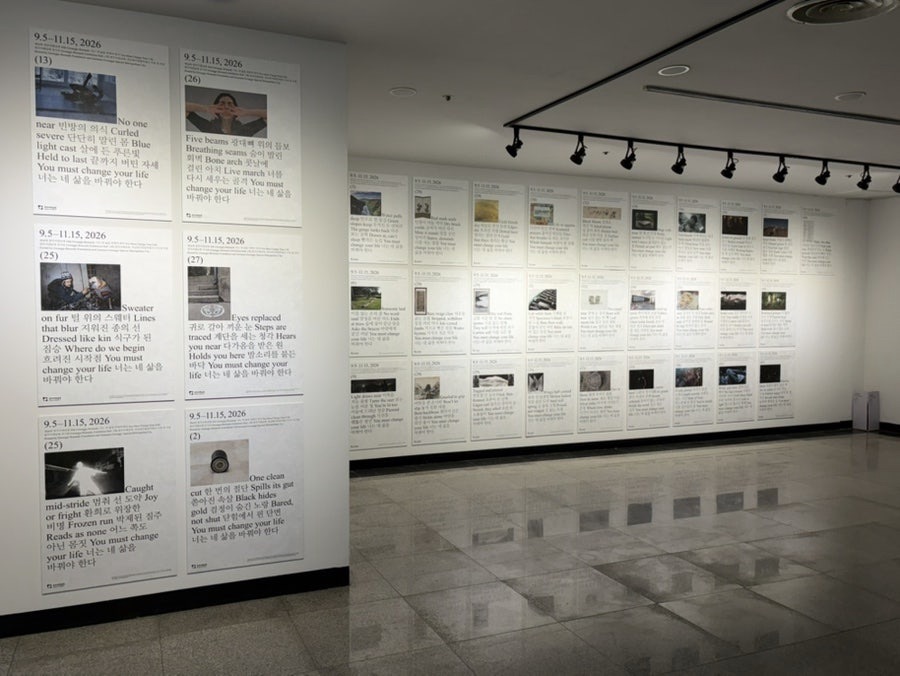
The theme of this year’s Gwangju Biennale is ‘You Must Change Your Life‘
The phrase comes from the final line of Archaic Torso of Apollo, a poem by the German poet Rainer Maria Rilke. It also serves as the title and central theme of this year’s exhibition.
The artistic director, Ho Tzu Nyen, explained why he chose this phrase. In the poem, the speaker looks at an ancient sculpture and experiences a change in the way he sees the world. As his perspective and position shift, he realizes that he can no longer live as he did before.
Perhaps because of this, I felt that the works of many artists in this exhibition were connected in some way to the idea of change.
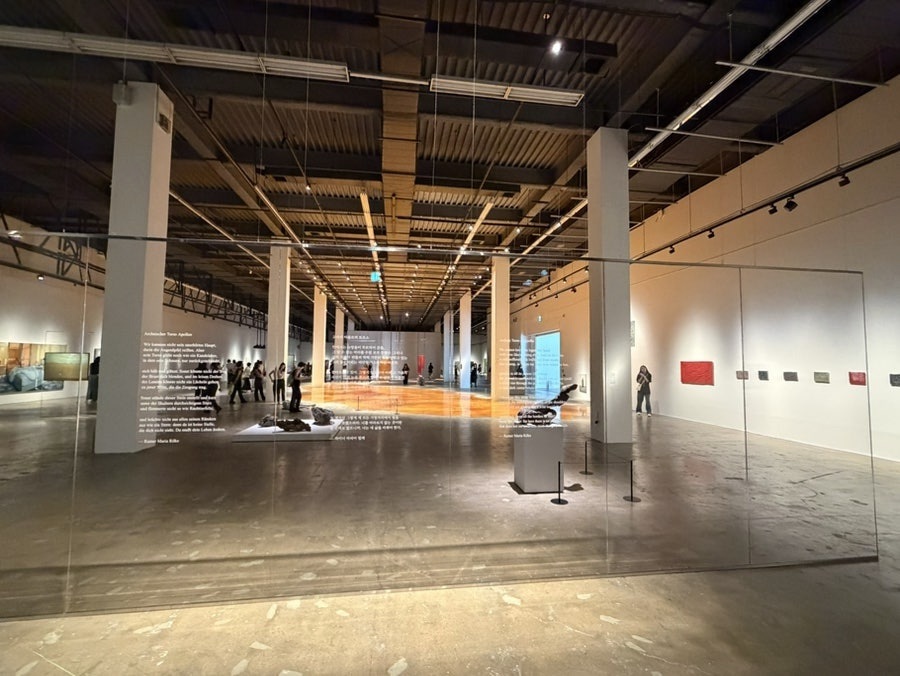
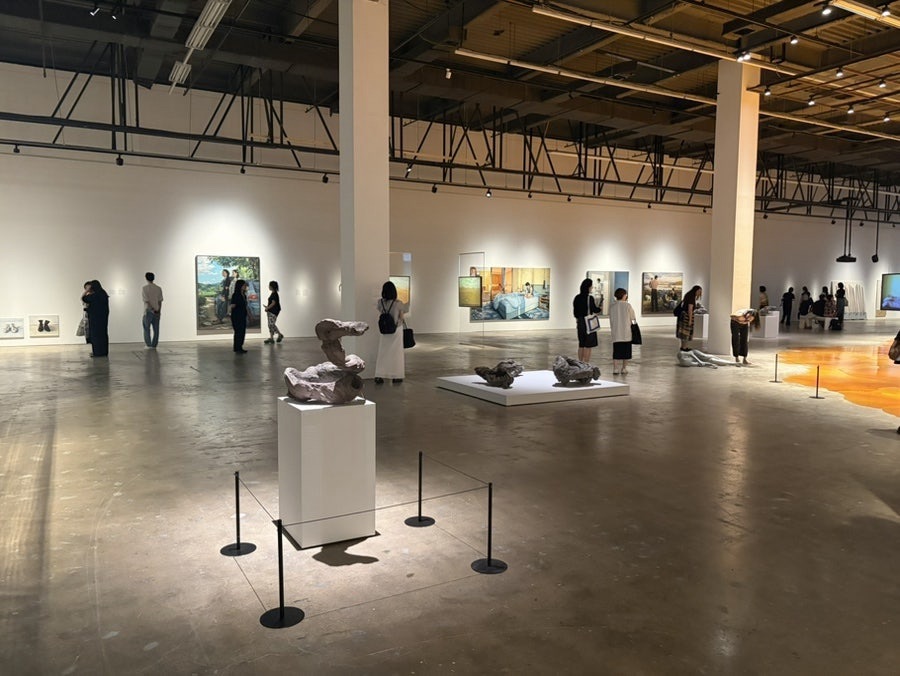
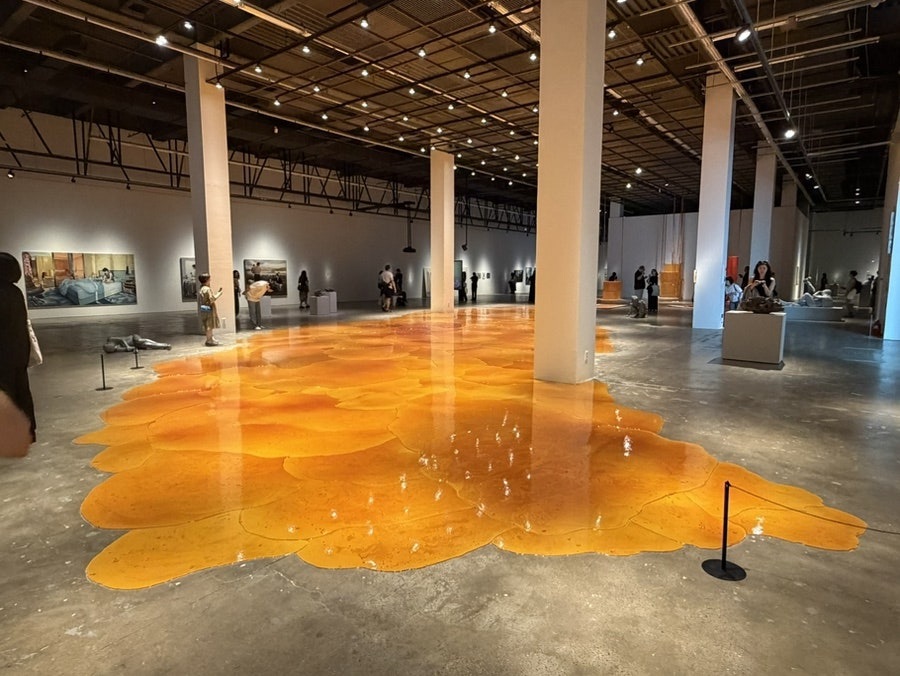
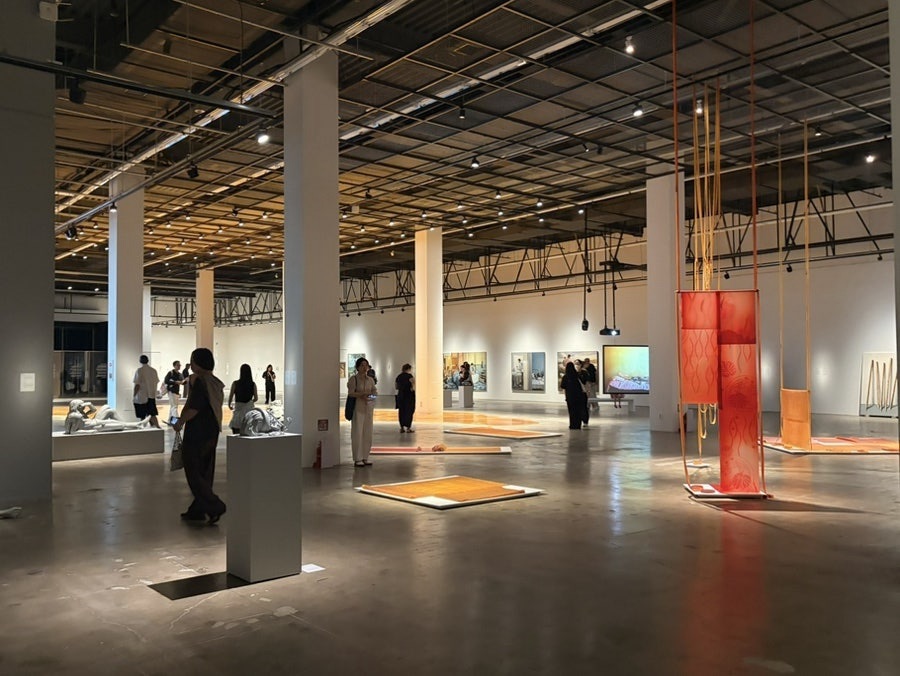
In Exhibition Hall 1, a work titled Pine Resin Pond was installed on the floor.
Resin Pond is a work by Goldin + Senneby, an artist duo who do not seek to establish a fixed artistic identity.
Senneby has lived with multiple sclerosis for many years. It is a chronic autoimmune disease in which the body’s immune system attacks the nervous system, the very system it is meant to protect.
About two tonnes of translucent resin spread across the exhibition room floor, flowing out over the space. The resin is beautiful, but at the same time, it obstructs the movement of visitors. Through this work, the artists sought to express Senneby’s long experience of illness and the ideas they have explored over the years.
Before reading the description, I had simply thought the solidified liquid, with its clear, luminous colour, was beautiful. But after learning about the artists’ intentions, I looked at the work again and found myself thinking about it in a different way.
I suppose you really do see more when you know more.
Works by Sasaki Ken appeared in each exhibition room. Based on the descriptions provided, I felt that the artist’s works played a guiding role throughout the exhibition.
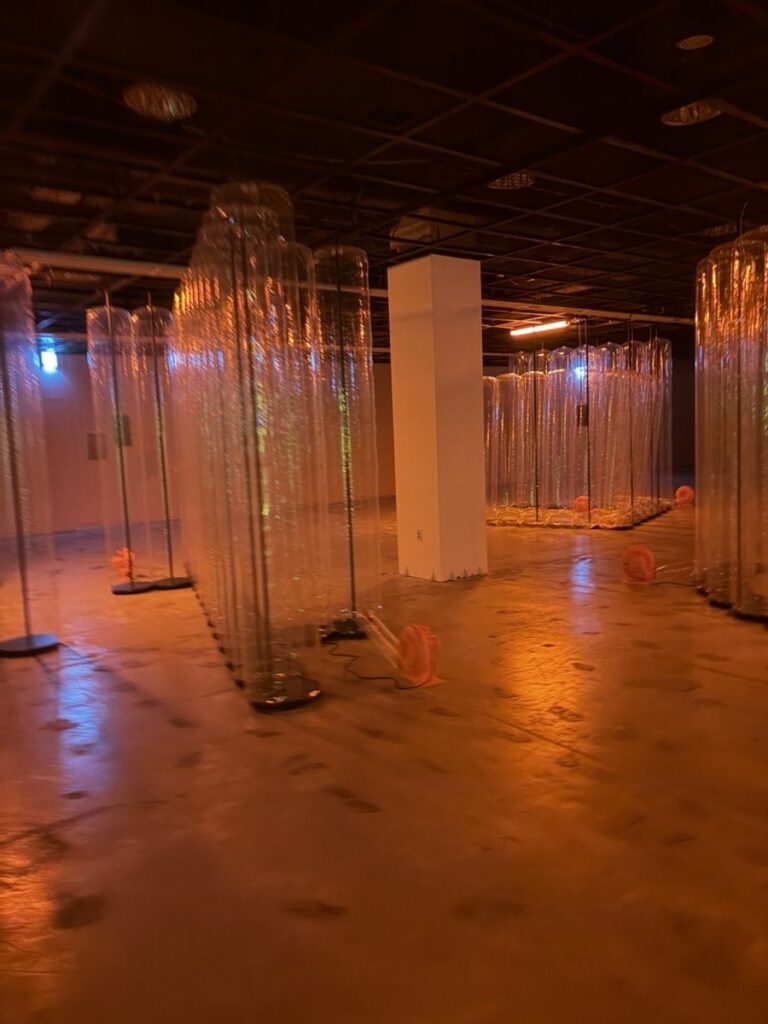
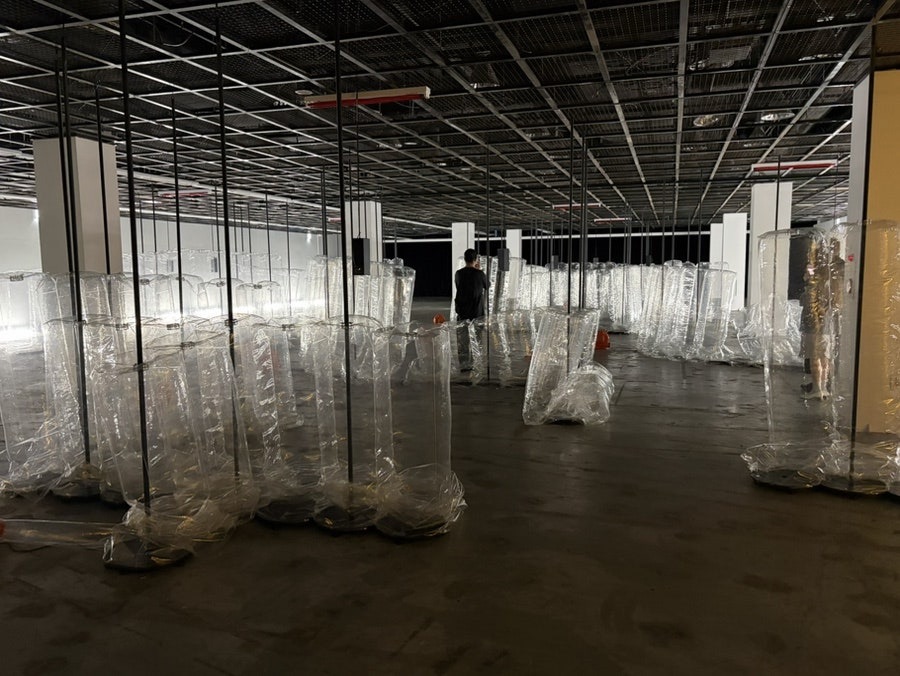
There were also performances on the bridge connecting the exhibition buildings. In the final room, a large transparent inflatable tube installation allowed visitors to see the movement of air inside it.
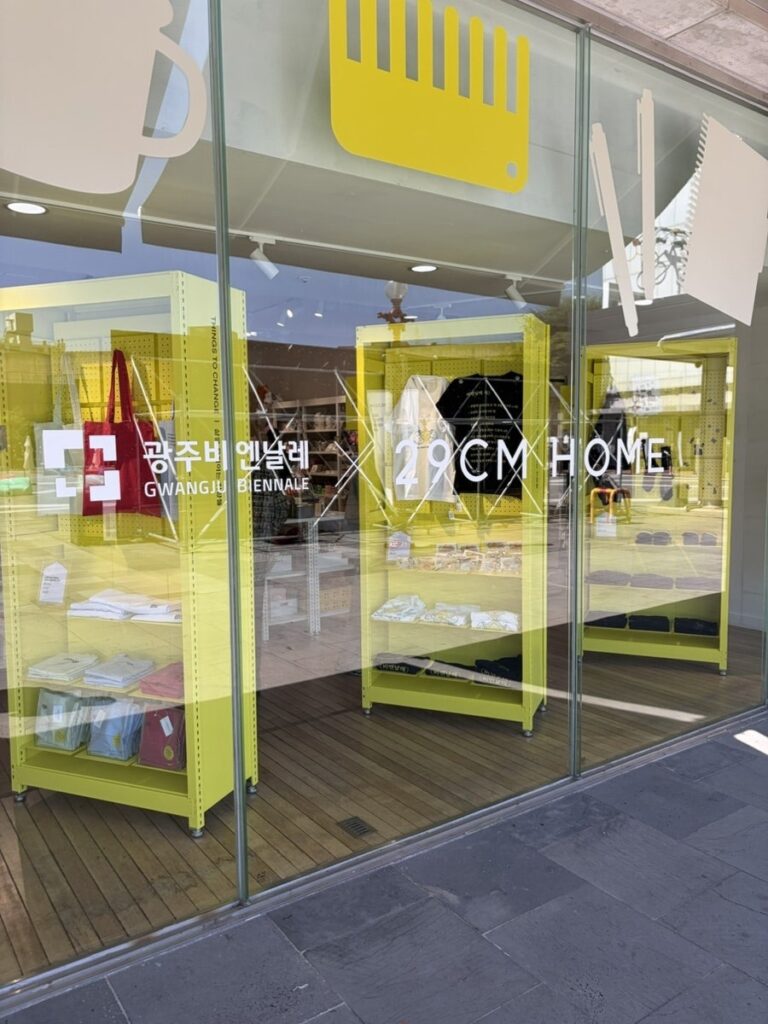
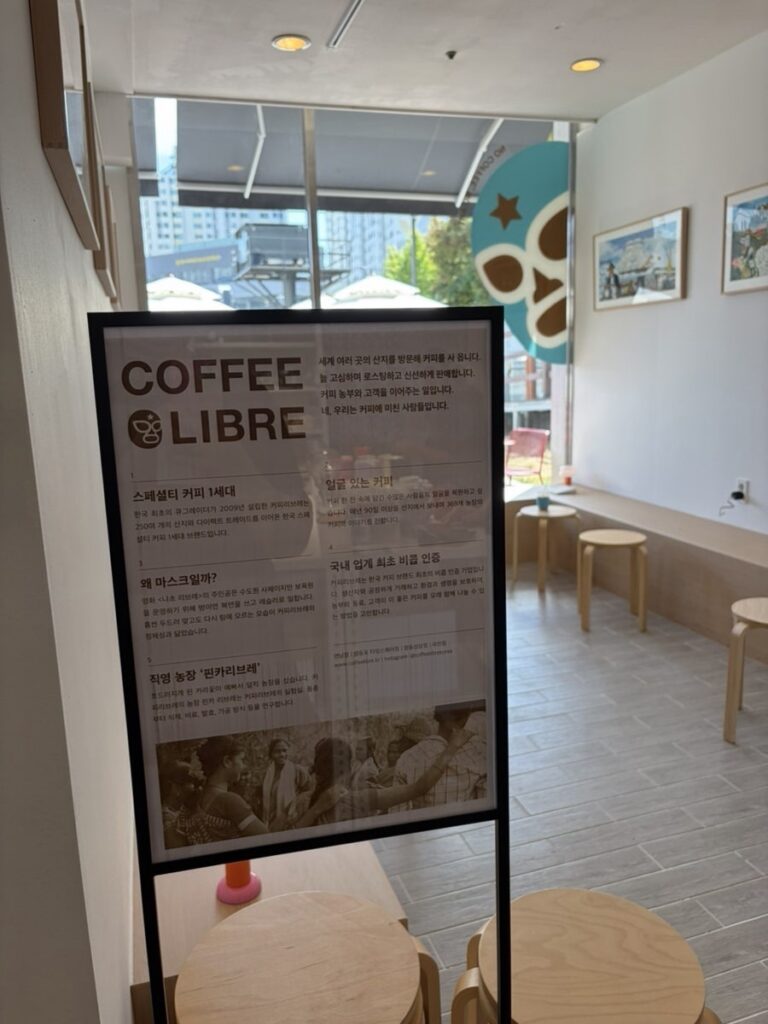
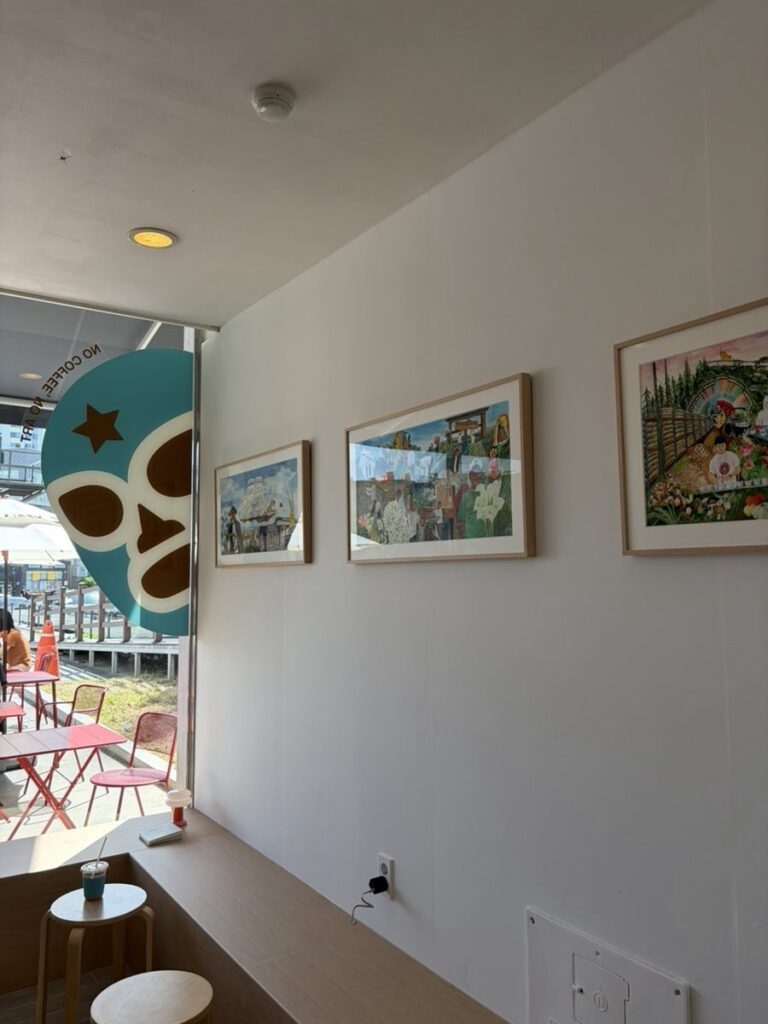
I also stopped by the 29CM product space and the Coffee Libre pop-up, where I took a break and had some coffee.
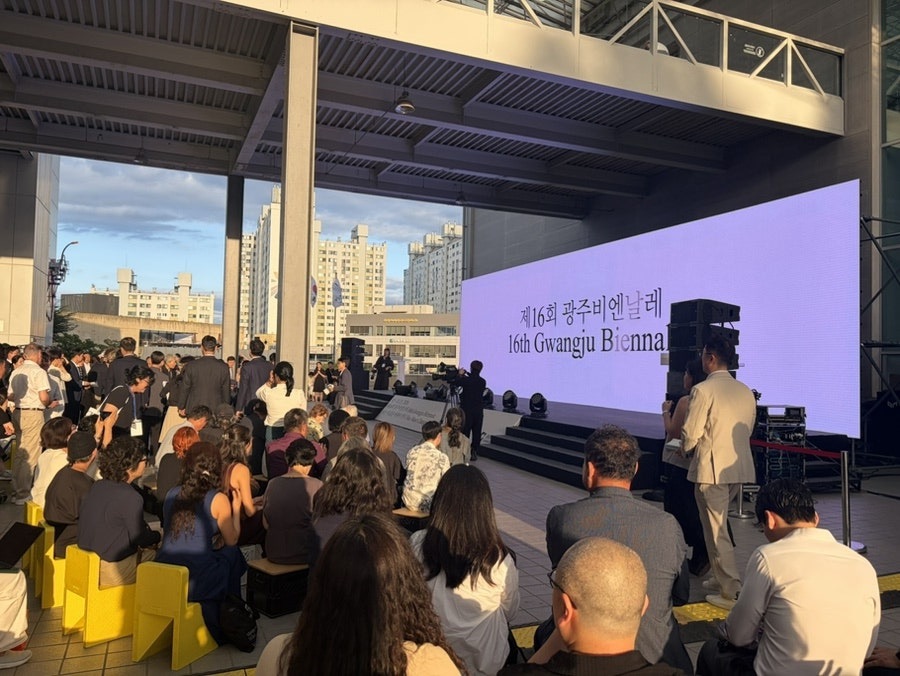
The opening ceremony was held on Friday afternoon, September 4, 2026. Many people from the art world and related fields attended.
Day 2: City Pavilions
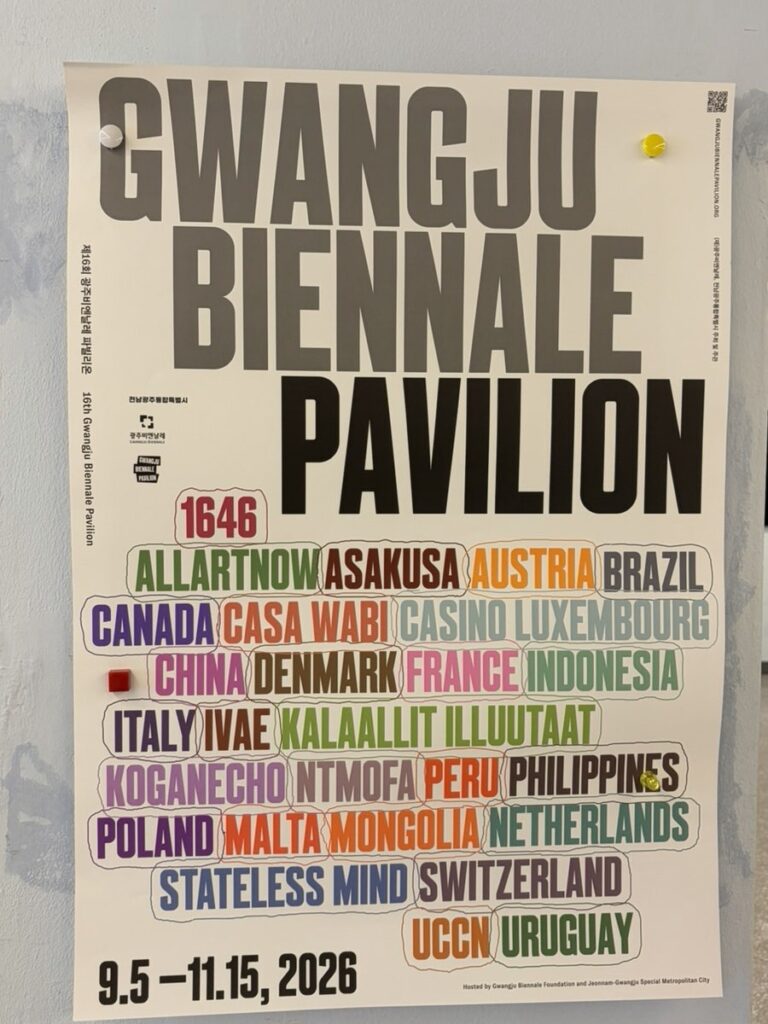
On the second day, I visited the city pavilions located in different parts of Gwangju.
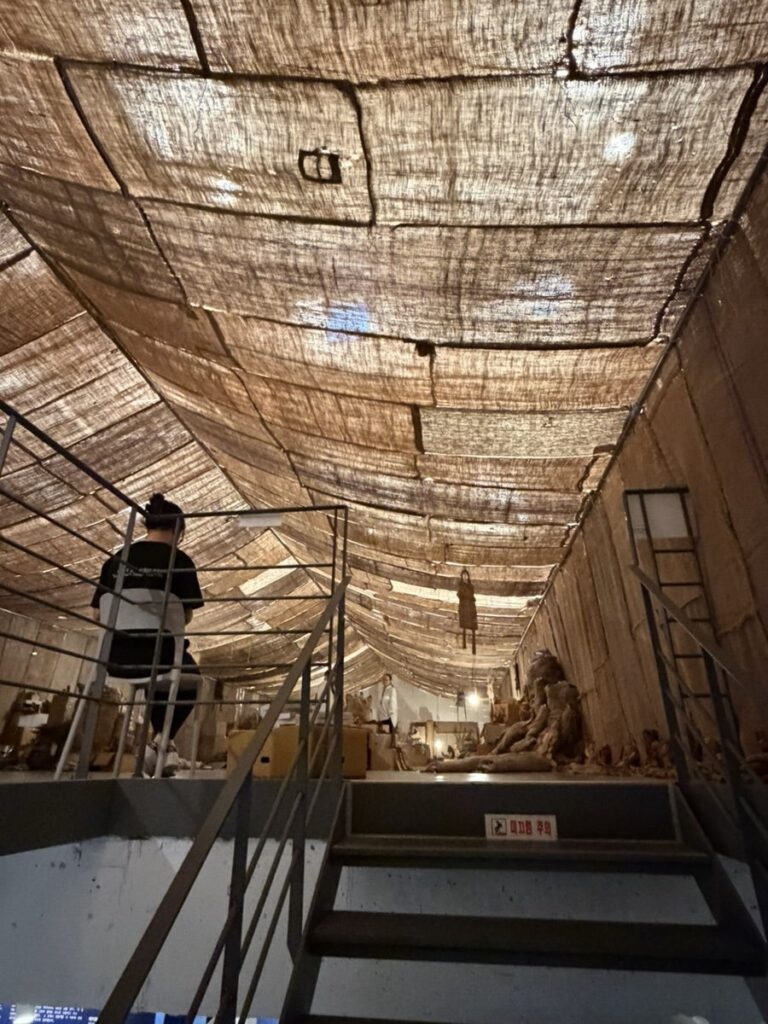
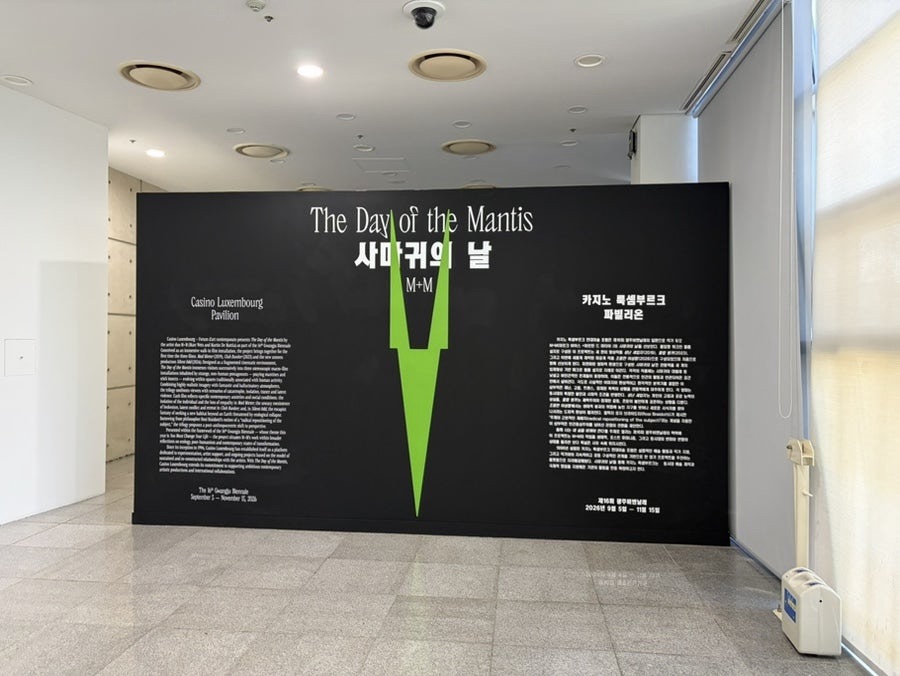
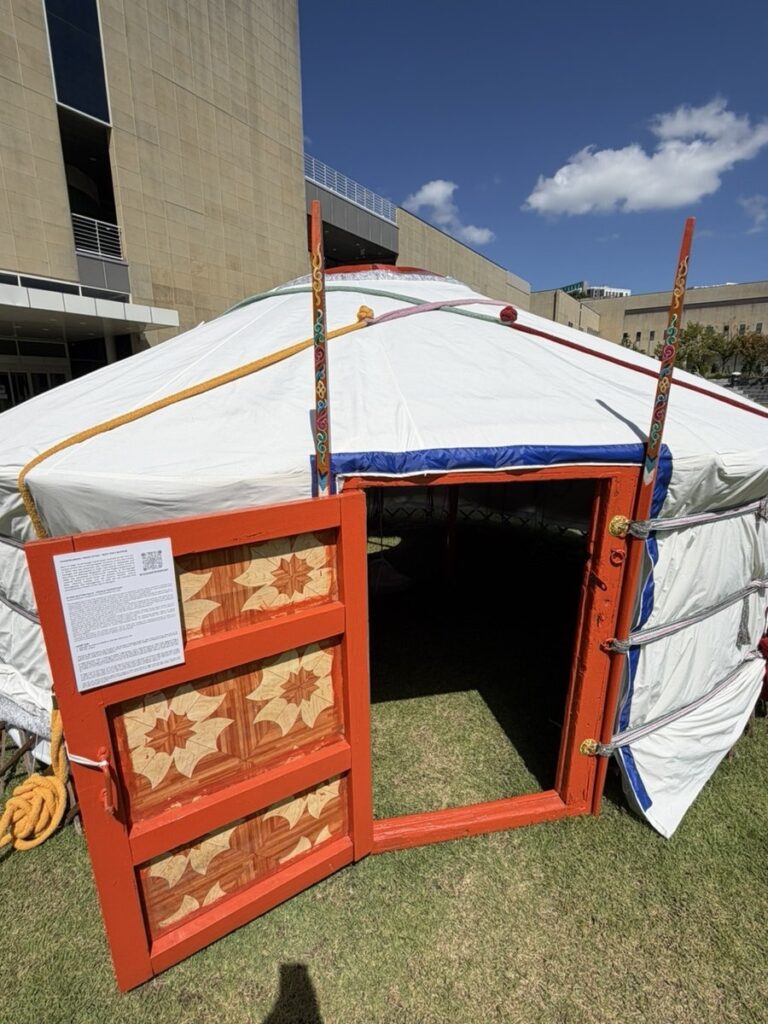
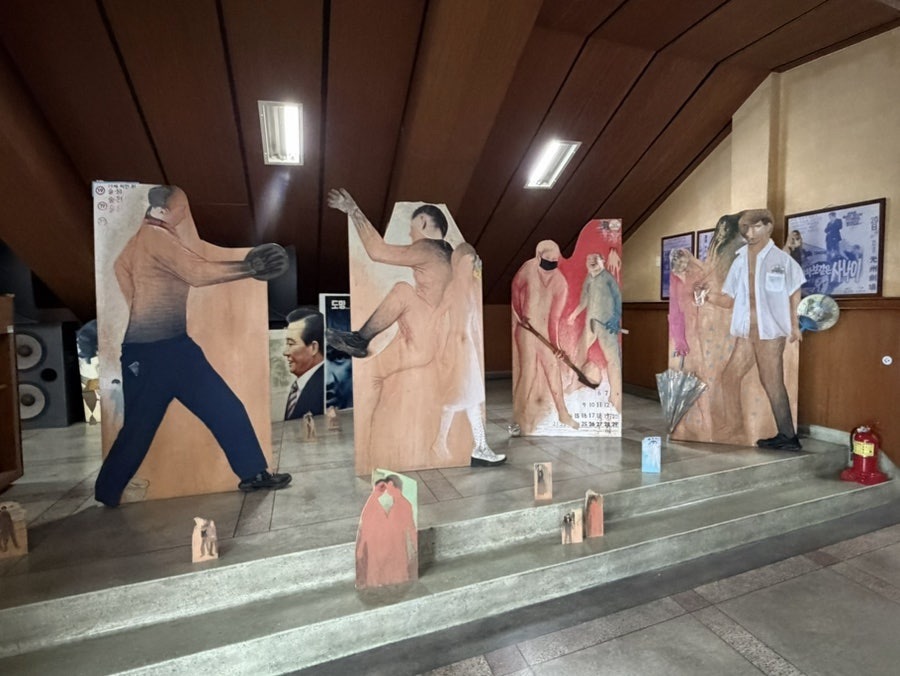
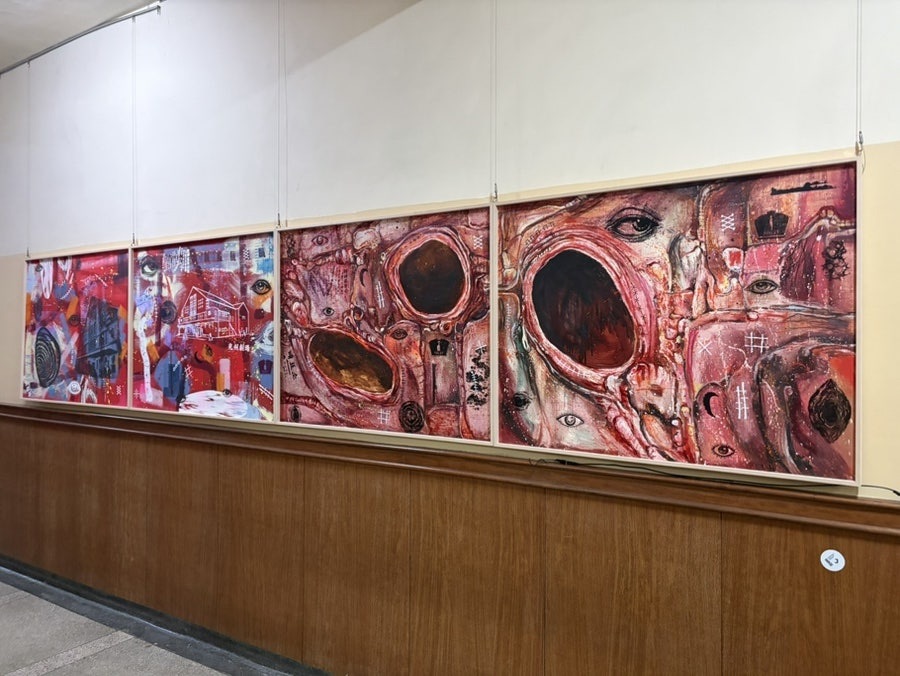
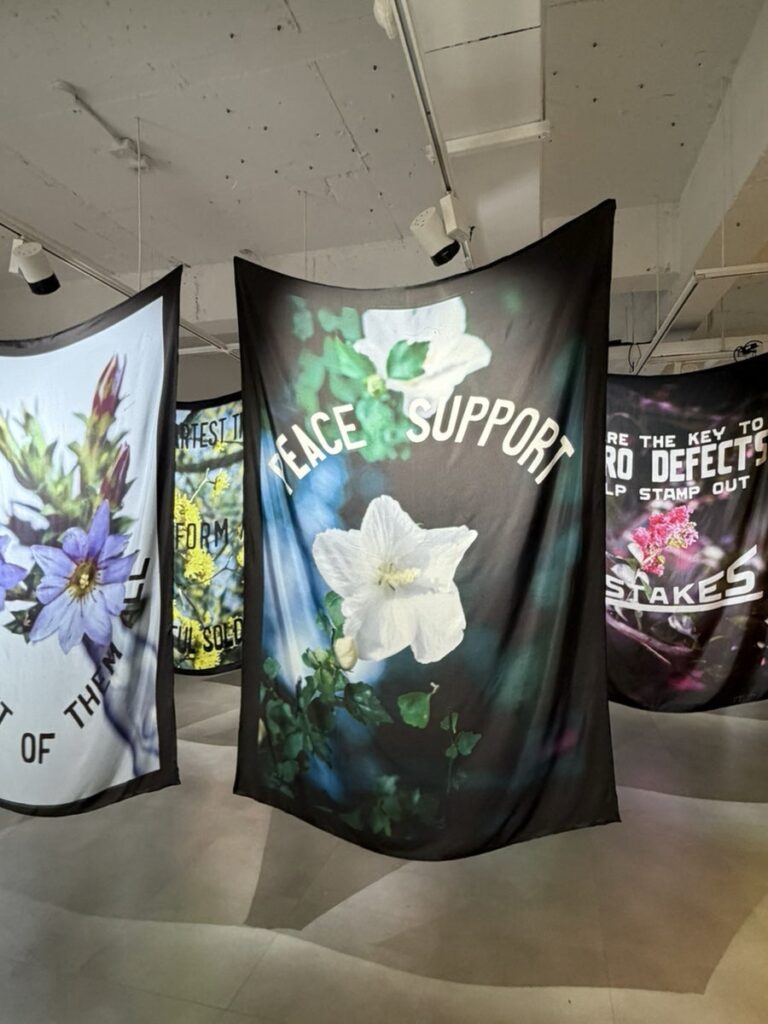
The installations inside Cinema Gwangju were particularly interesting. It felt as though a new universe had appeared within the old theatre’s space and time.
The pavilions were spread across the city, so visiting them all took some time. I had also heard about the pavilion in Yangnim-dong, but I did not manage to visit it. The day passed quickly as I moved between the different locations.
The Gwangju Biennale and the City
Gwangju is a city with an important place in modern Korean history. Many people lost their lives during the May 18 Democratization Movement, and various events are held in the city to commemorate its history.
The Gwangju Biennale is also held in this city, where its history continues to be remembered. It is an international contemporary art event that takes place every two years.
Visiting the main exhibition hall and the city pavilions together made for a good two-day itinerary. For those interested in contemporary art, the Biennale also offers an opportunity to explore different parts of Gwangju along the way.
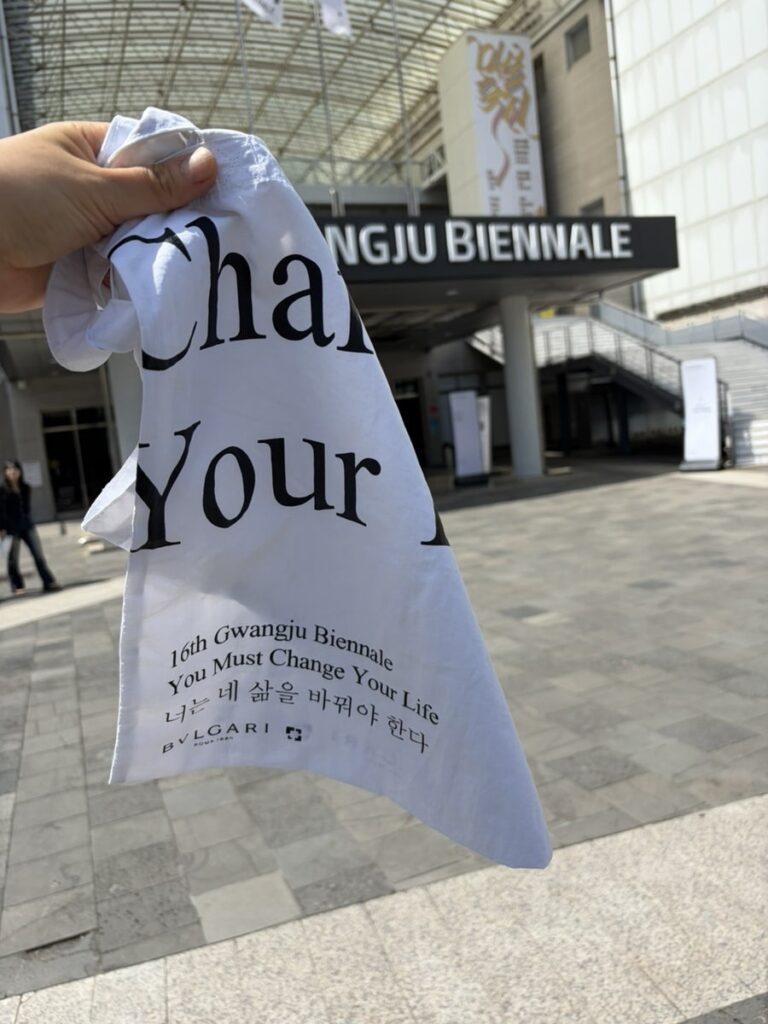
Gwangju Biennale
111 Biennale-ro, Buk-gu, Gwangju
📅 September 5 – November 15, 2026
🕙 10:00 AM – 6:00 PM (closed Mondays)
Each pavilion space keeps its own hours, so it’s a good idea to check ahead before visiting.