Guri is a city in Gyeonggi Province, just east of Seoul. It has several local restaurants that have been serving customers from the same locations for many years.
With their old-fashioned exteriors, familiar interiors, and long-established menus, these restaurants offer a glimpse of everyday local dining in Korea.
Here are two traditional local restaurants in Guri worth visiting.
1. Chokseokru – A Chinese Restaurant Known for Ganjjajang and Sweet and Sour Pork
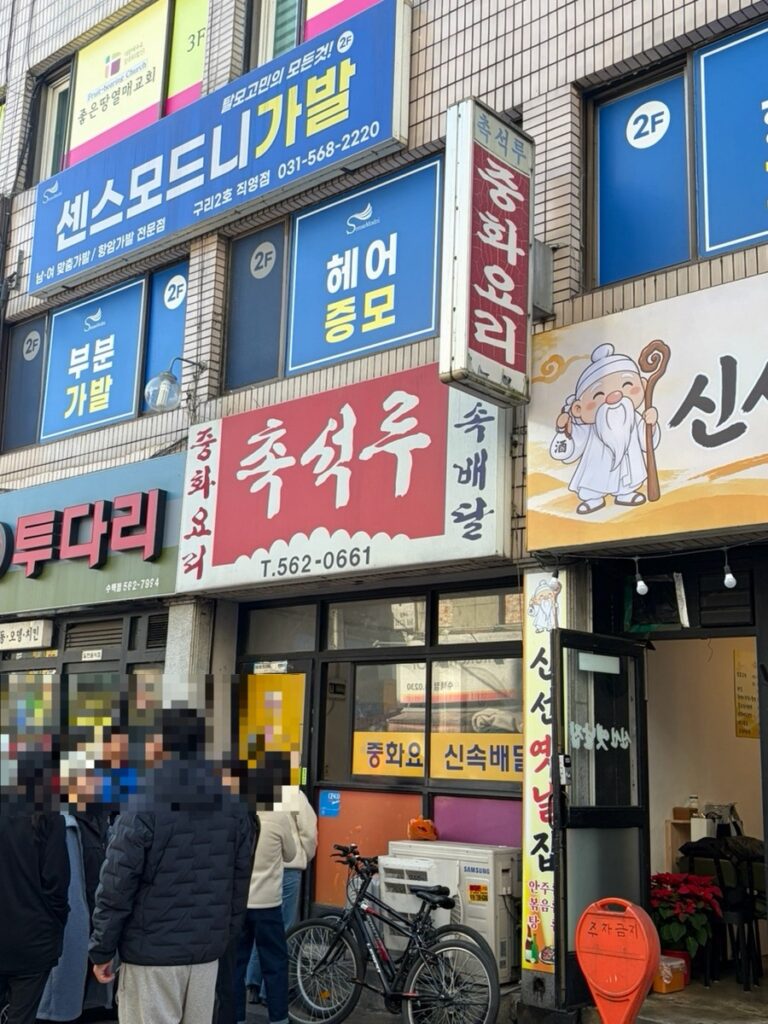
I visited Chokseokru after hearing about a good Chinese restaurant in Guri.
These days, I find myself visiting old local restaurants more often than modern, stylish ones. Perhaps I am naturally drawn to places that seem to have been here since my childhood, with years of history reflected in their interiors.
Chokseokru is located inside Namyang Market in Guri.
For reference, Guri also has the traditional Guri Market near Doldari, while Namyang Market is a smaller market in the city.
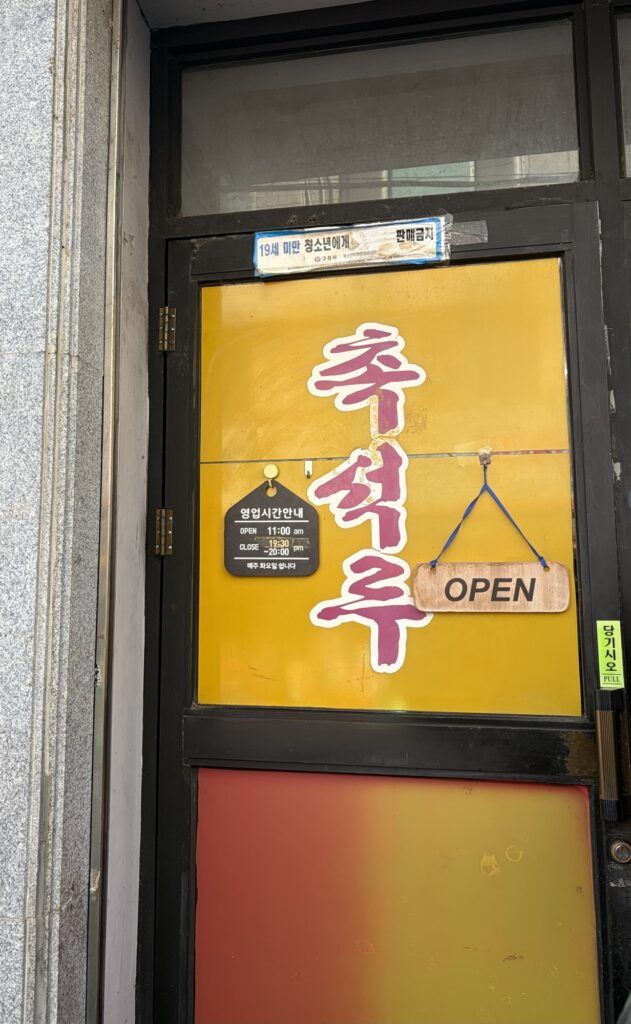
The exterior of Chokseokru shows plenty of signs of age.
The restaurant opens at 11 a.m., so I arrived early. When I got there at around 11:20 on a Sunday morning, three groups were already waiting.
At first, I thought the wait would not be too bad. However, there are only about five tables, and it took approximately 30 minutes to get a seat.
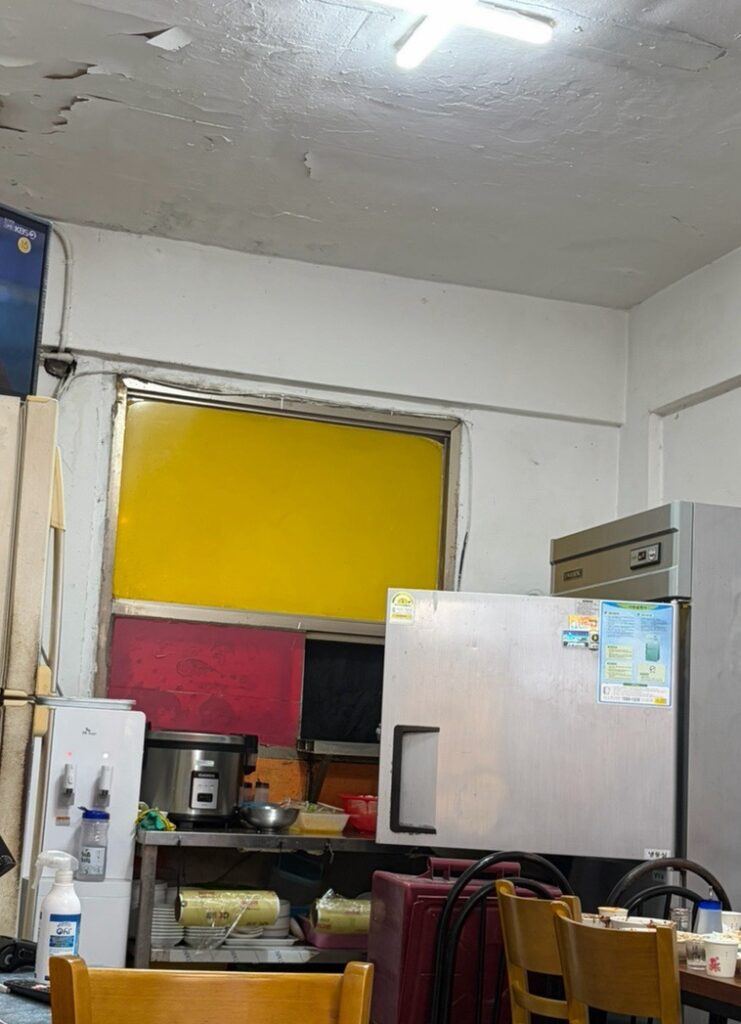
The yellow and red colors inside the restaurant look rather charming, perhaps because of the old-fashioned setting.
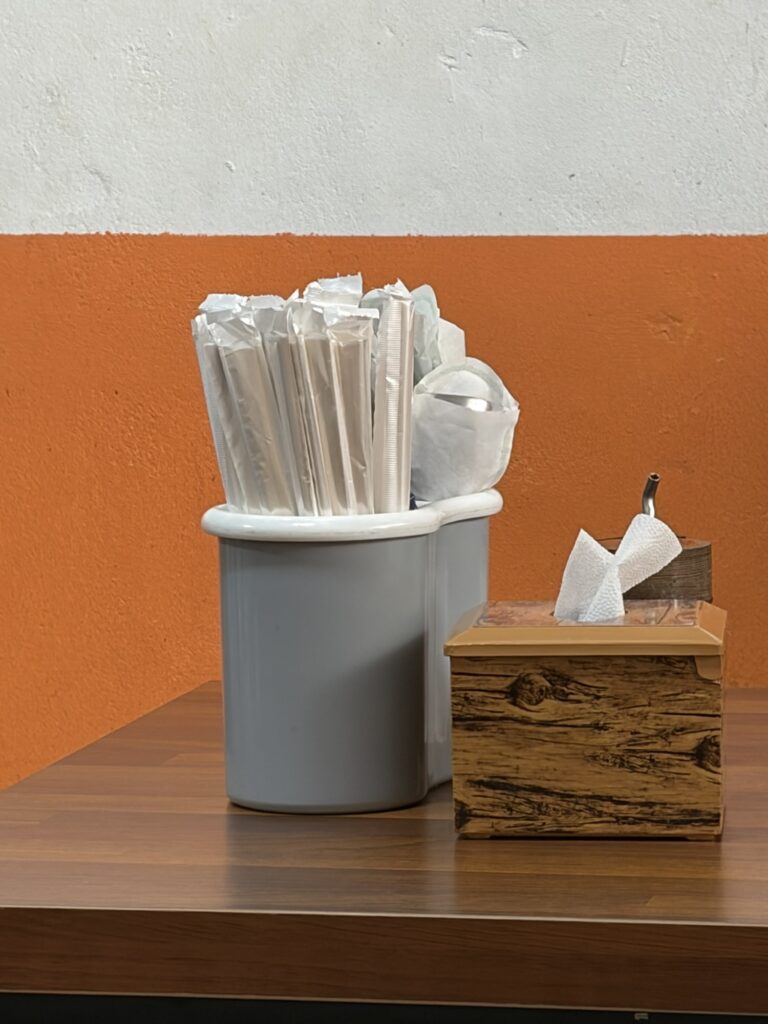
Seeing the wooden chopstick holder brought back memories of eating at Chinese restaurants when I was young.
Even the menu has the character of an old neighborhood restaurant.
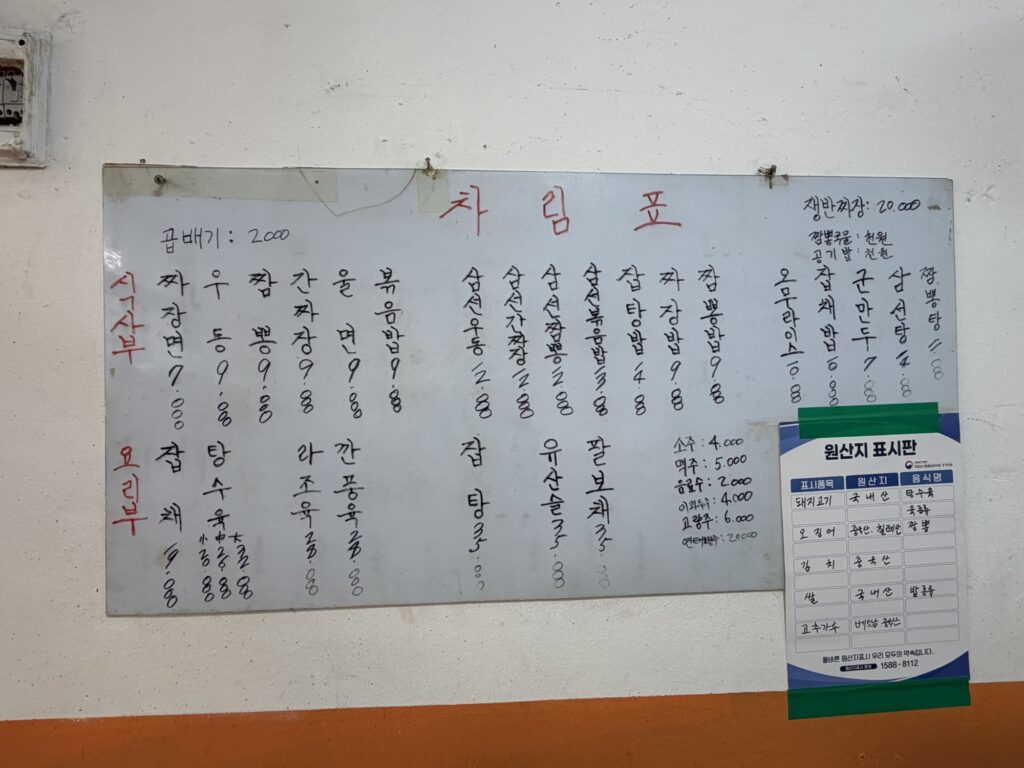
Chokseokru is also known for its ganjjajang, a Korean-style black bean noodle dish made with a separately prepared sauce.
This time, I ordered jjamppong and tangsuyuk, but I would like to try the ganjjajang on my next visit.
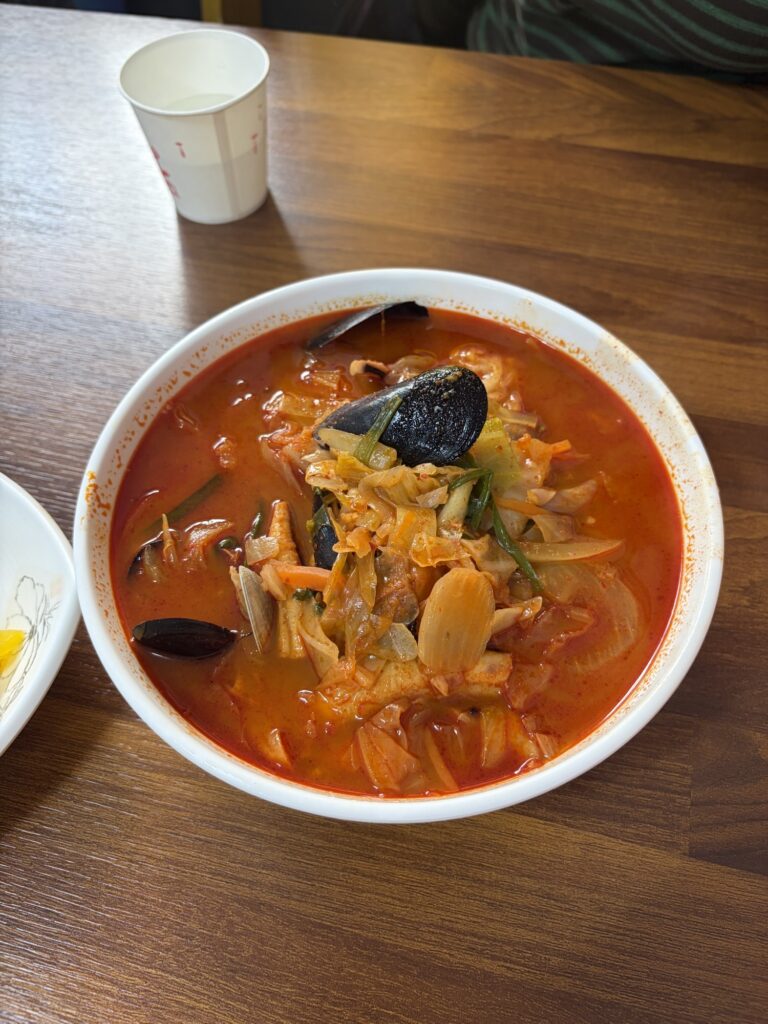
The jjamppong has a rich vegetable flavor from the long-cooked vegetables, while the noodles remain pleasantly firm.
The broth is clean and not overly heavy. It has a familiar, old-fashioned taste that is different from the more intensely seasoned jjamppong commonly found these days.
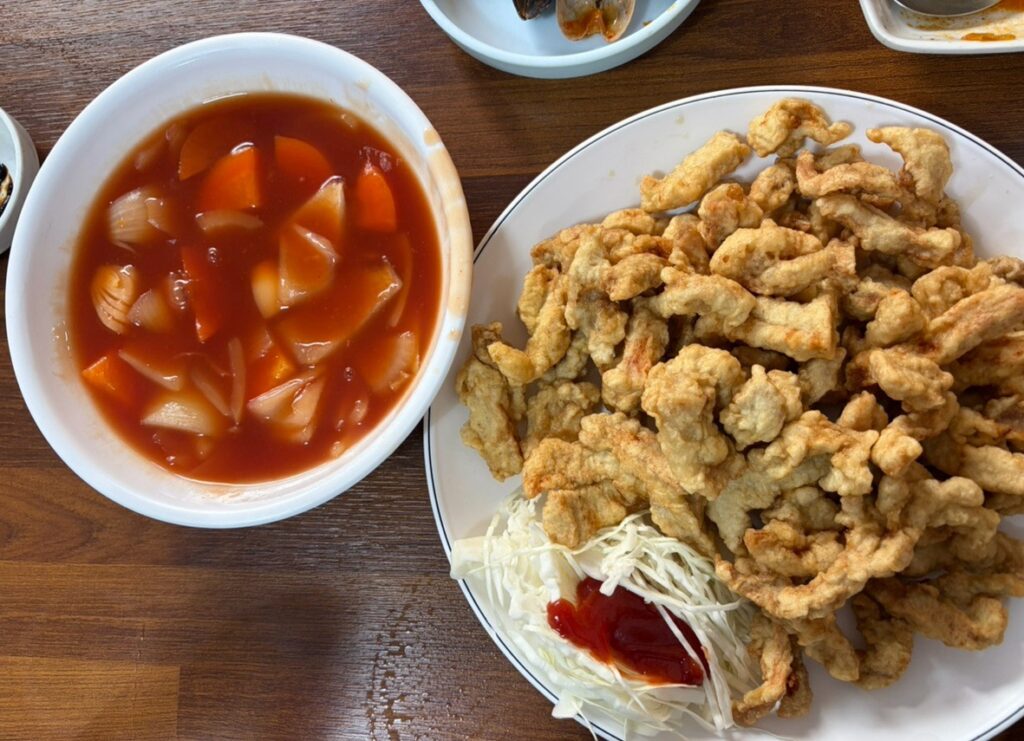
The tangsuyuk arrived when I had almost finished my jjamppong. The staff had told us when we ordered that it would take some time.
But the tangsuyuk turned out to be the highlight of the meal.
The batter is thin and crispy, with no unpleasant smell from the pork. The sauce has a mildly sweet flavor and is easy to enjoy.
The jjamppong was good, but the tangsuyuk was my favorite today.
When I left the restaurant, even more people had gathered outside.
Chokseokru does not use a numbered waiting system. Customers simply line up outside and wait for a table.
The restaurant also offers its own delivery service, although it seems to cover only nearby areas. Takeout is not available.
If I lived nearby, I would probably order from here quite often.
Chokseokru – Information
- Opening hours: 11:00 a.m.–8:00 p.m.
- Break time: 3:00–5:00 p.m.
- Closed: Tuesdays
- Waiting: Customers line up outside; no numbered tickets
- Takeout: Not available
- Note: Temporary closures may occur. Check the restaurant’s Naver listing before visiting.
2. Sigol Sikdang – A Local Restaurant Known for Its Spicy Pollock Soup
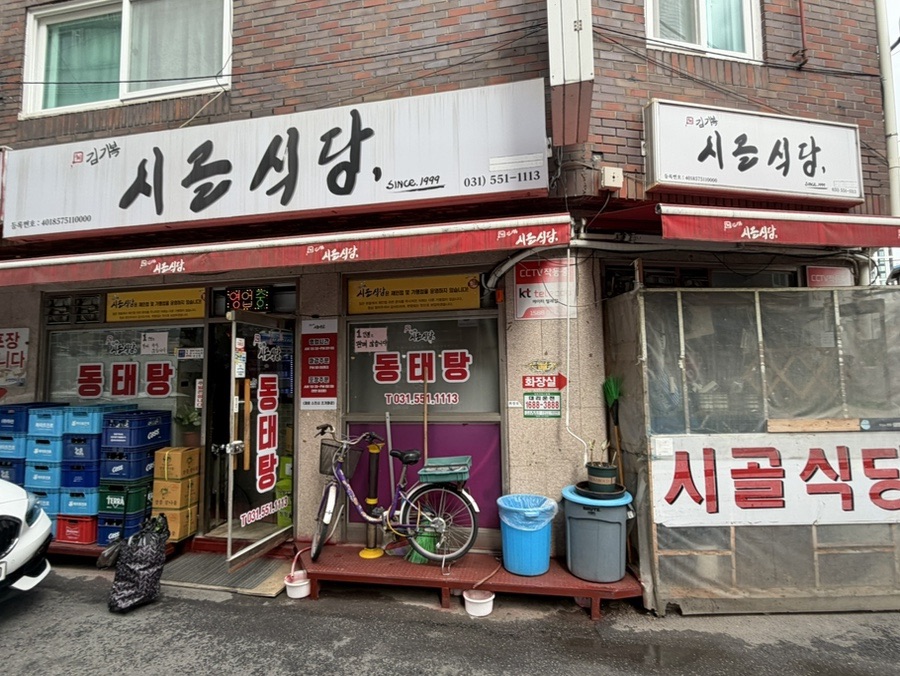
As the weather gets colder, I find myself craving warm soups more often.
I heard that there was a good dongtaetang restaurant in Guri, so I decided to visit.
Sigol Sikdang is located in an alley near the Doldari area, across from Lotte Department Store near Guri Station.
Although I have lived in Guri for a long time, I was not very familiar with this part of Inchang-dong. It was my first visit to this neighborhood restaurant.
Inside, I noticed several jars of homemade infused liquor displayed along one side of the restaurant.
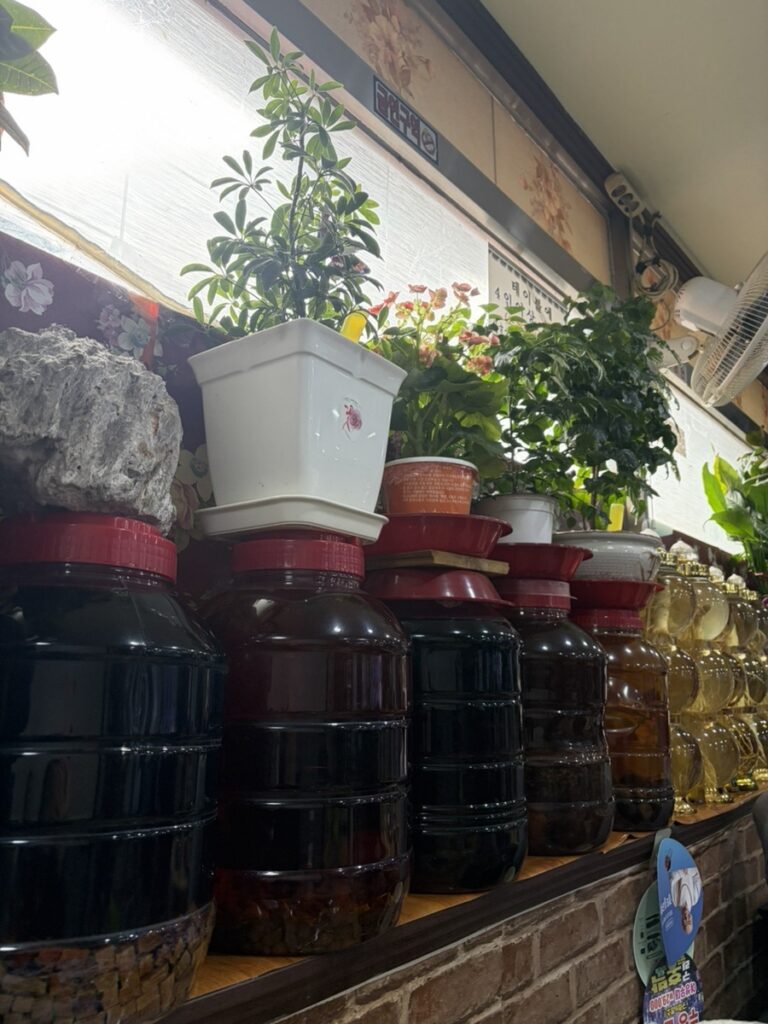
It was a familiar sight in an old local eatery.
There is only one main dish on the menu: dongtaetang, a spicy Korean soup made with pollock.
When you sit down, the staff ask how many people are dining and prepare the soup according to the number of guests.
Unfortunately, they do not serve individual portions, so dining alone is not an option.
The side dishes arrived first, and the kimchi was particularly memorable.
Both the napa cabbage kimchi and the radish kimchi were delicious, but I especially liked the radish kimchi.
Its seasoning reminded me of bossam kimchi, with a rich and savory flavor that went very well with rice.
It had been a while since I had tasted kimchi this good.
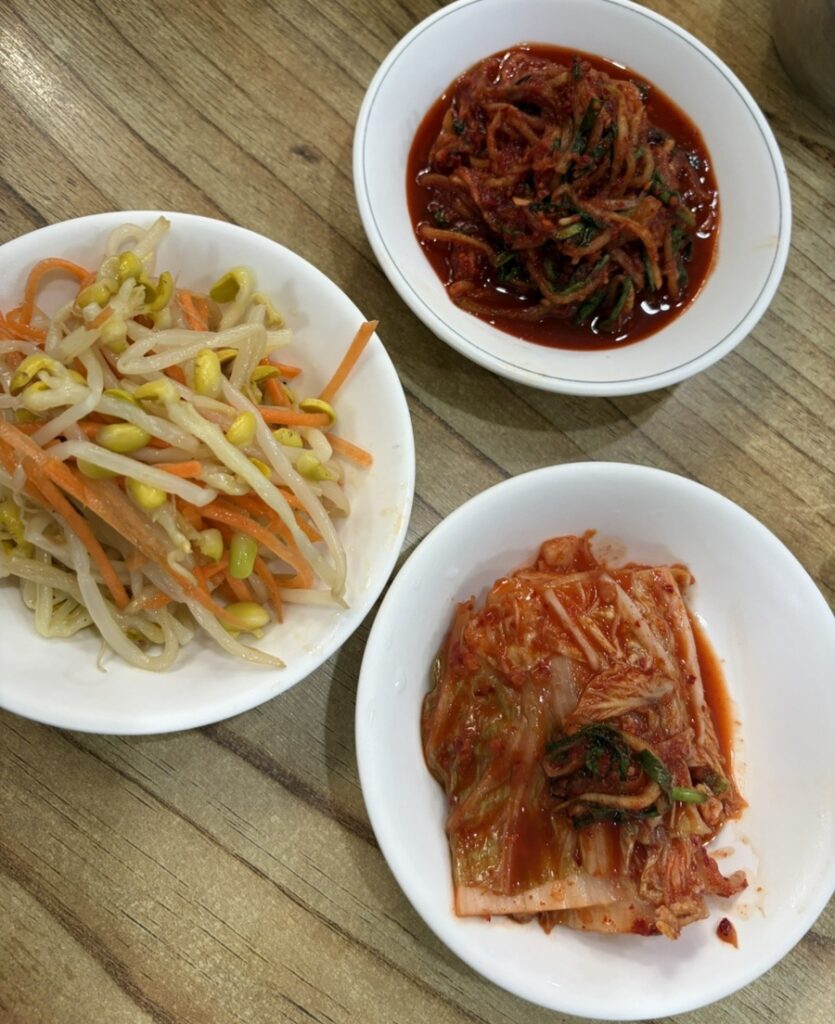
Mixing the radish kimchi with the bean sprouts made the flavor even better. Both side dishes were perfect with rice.
Soon, the main dish arrived.
The dongtaetang came in a large pot filled almost to the top. The generous portion was impressive even before I started eating.
It looked good, too.
As the soup continued to boil, I found myself reaching for tissues because of the spicy broth.
It was warm and comforting, and soon I was sweating all over.
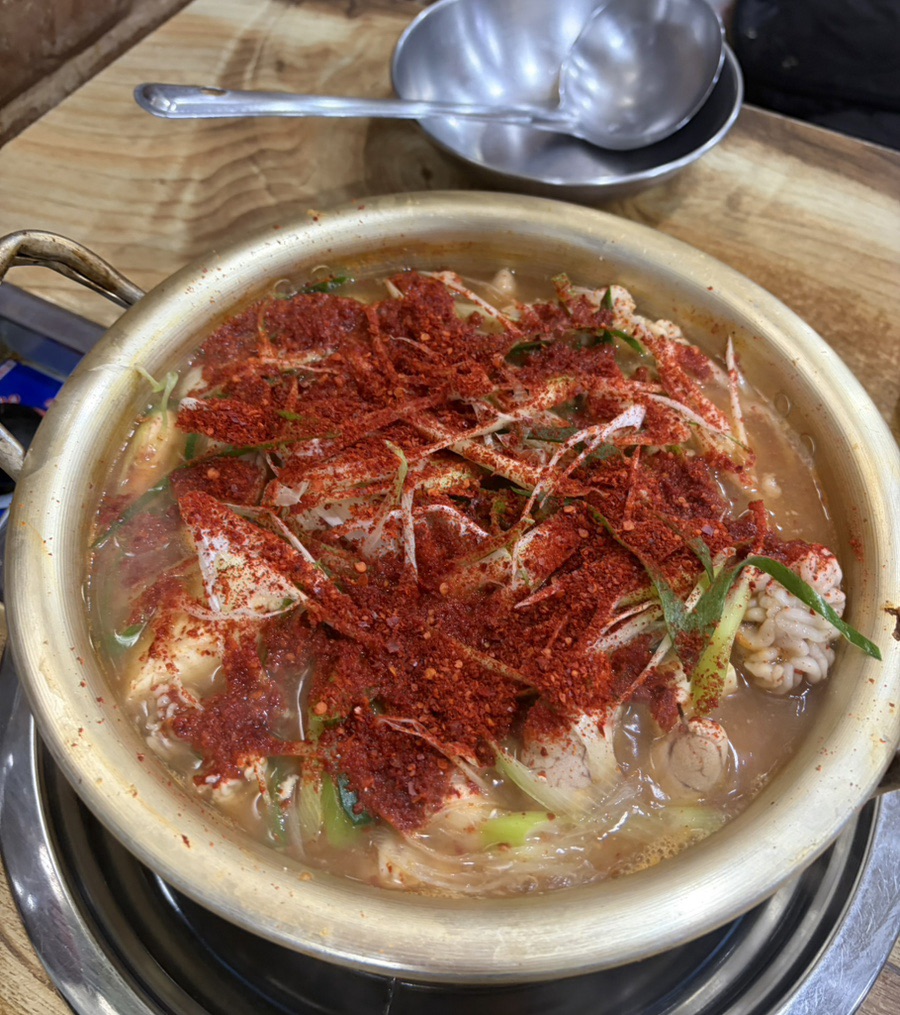
The pot contained plenty of pollock, fish roe, and fish milt. Everything tasted fresh.
The broth was spicy and full of flavor.
It is a familiar Korean-style soup with a straightforward taste that many people would enjoy.
With its generous portion and hearty broth, this is a good dish to have on a cold winter day.
There are a couple of things to keep in mind before visiting.
There may be a wait during busy meal times, and the restaurant has traditional floor seating rather than regular chairs.
For those who find sitting on the floor uncomfortable, small plastic stools are available.
Many old local restaurants still have this traditional seating arrangement, so it is worth knowing in advance.
Sigol Sikdang is a place to consider when you want a warm, spicy bowl of soup on a cold day.
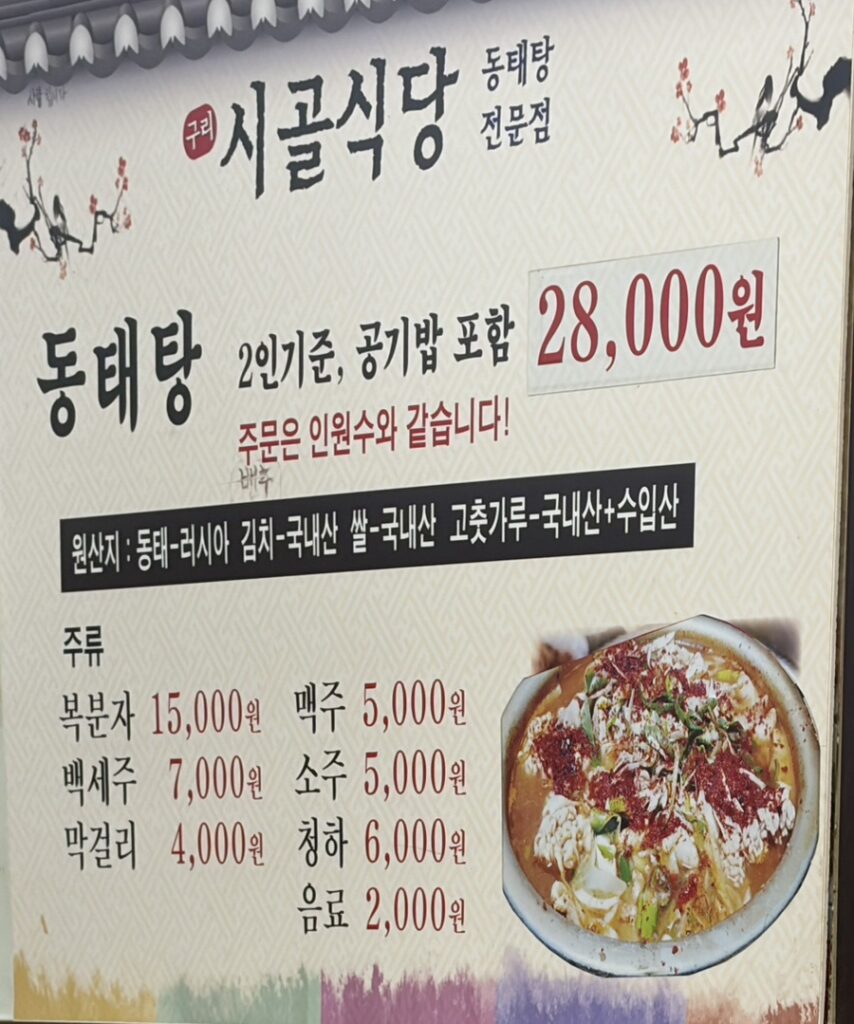
Sigol Sikdang – Information
- Opening hours: 10:30 a.m.–9:00 p.m.
- Last order: 7:50 p.m.
- Closed: Sundays
- Menu: Dongtaetang
- Note: Individual portions are not available; traditional floor seating
- Parking: Space for approximately two cars in front of the restaurant
Two Long-Established Local Restaurants in Guri
Chokseokru and Sigol Sikdang serve very different food, but they share something in common.
Both have the familiar atmosphere of old neighborhood restaurants that have been serving local residents for many years.
At Chokseokru, I enjoyed old-style Korean Chinese food, especially the jjamppong and tangsuyuk. At Sigol Sikdang, the generous portion of spicy pollock soup and the homemade-style side dishes stood out.
Modern restaurants and new food trends are enjoyable, too, but sometimes it is nice to visit places that have remained part of the neighborhood for so long.
If you are visiting Donggureung, a UNESCO World Heritage Site in Guri, you might also consider stopping by one of these local restaurants to experience a more everyday side of Korean food culture.