thebarange.com

Barange's travelogue Korea. (based in seoul, South Korea)

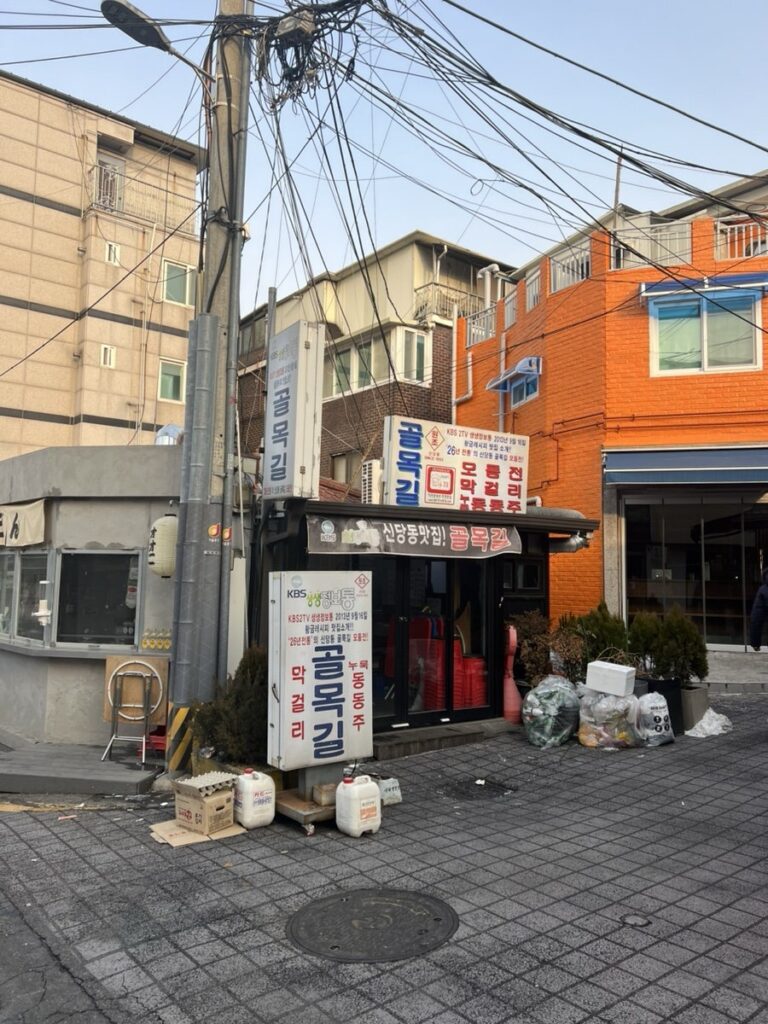
a store that sells Korean Dongdongju


There is a part of Seoul that most visitors walk past without stopping. The area stretching from Dongdaemun Design Plaza eastward into Sindang-dong sits in the gap between the city’s tourist circuits — too far from Myeongdong to be convenient, too unpolished to appear in mainstream travel guides. For exactly these reasons, it is one of the most interesting half-days you can spend in the city.
This course moves through three stops that each represent a different layer of what this neighborhood offers: a retro filter coffee café tucked near DDP where time seems to have stopped pleasantly, a local red bean porridge restaurant that has been feeding Sindang residents for decades, and a precision roastery that signals the neighborhood’s quiet transformation without erasing what came before it.
Route: Aerak Café → Cheonpatjuk → Lotus Roasting Lab
Area: DDP (Dongdaemun) → Sindang-dong (“Hip-dang”)
Walking Time: 10–20 minutes between stops
Best Time: Late morning to early afternoon
Total Budget: 20,000 – 35,000 KRW per person

Why This Course Works


The nickname Hip-dang — a combination of “hip” and “Sindang” — has circulated among Seoul’s younger locals for several years now, reflecting a genuine shift in how the neighborhood is perceived. Sindang-dong was for a long time associated primarily with its famous tteokbokki alley and the working-class residential streets surrounding it. It remains all of those things. But it has also quietly accumulated a layer of independent cafés, roasteries, and small creative businesses that have chosen it precisely because it has not been overrun.
This course does not ignore the older Sindang. It begins with coffee near DDP, moves into a genuinely local lunch experience, walks the streets that give the neighborhood its texture, and finishes with coffee at one of the roasteries that represents its newer chapter. The sequence captures both.


Stop 1: Aerak Café (애락 카페) — Retro Filter Coffee Near DDP

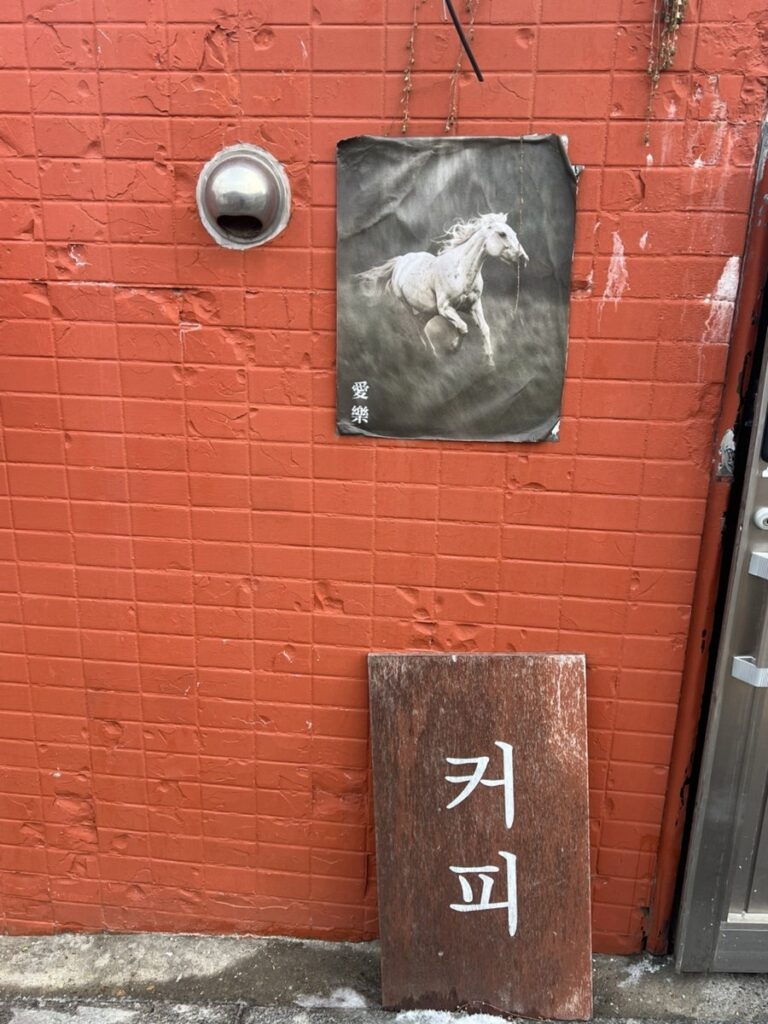
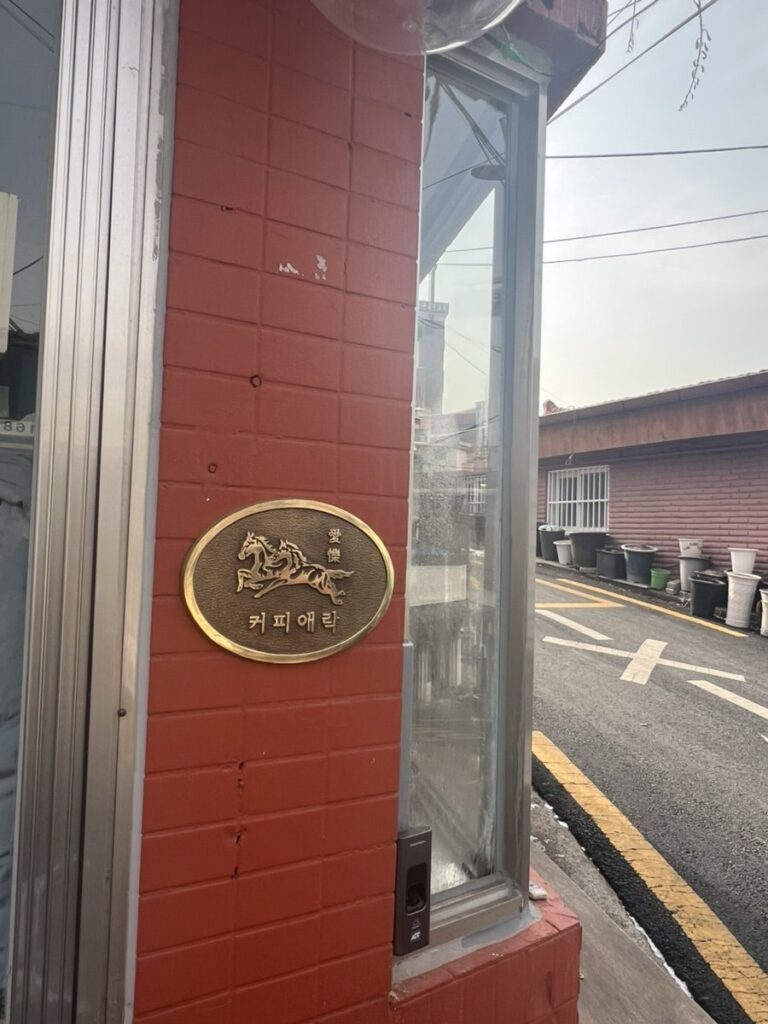
unique sign of ‘aerak’

The First Impression


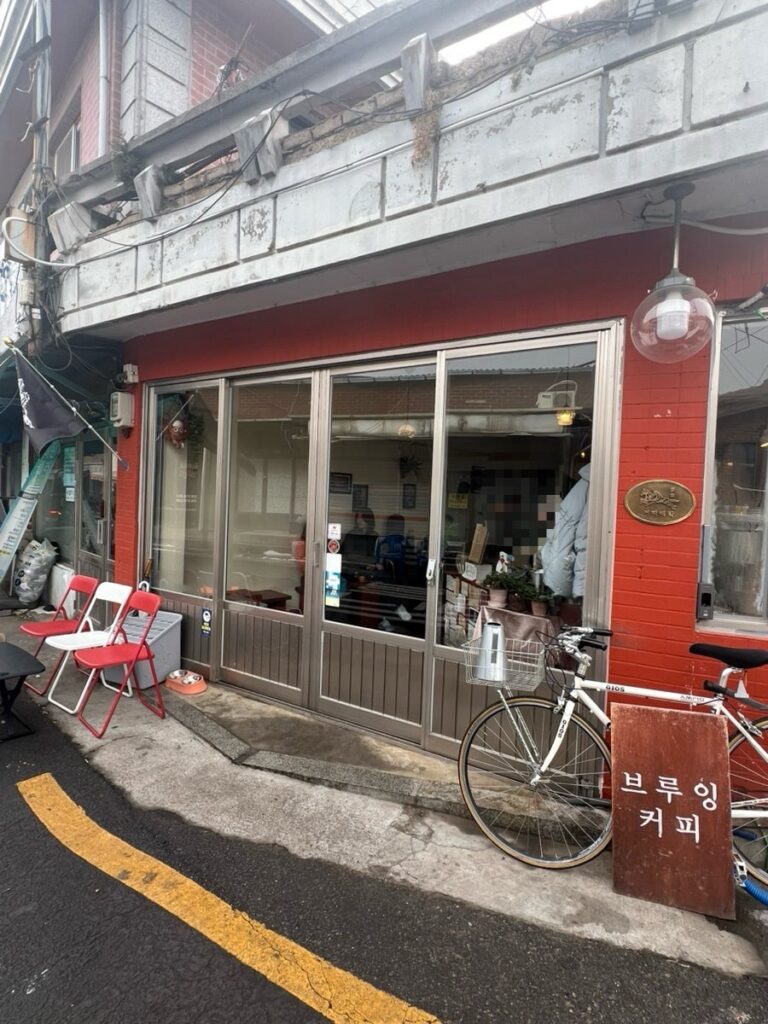
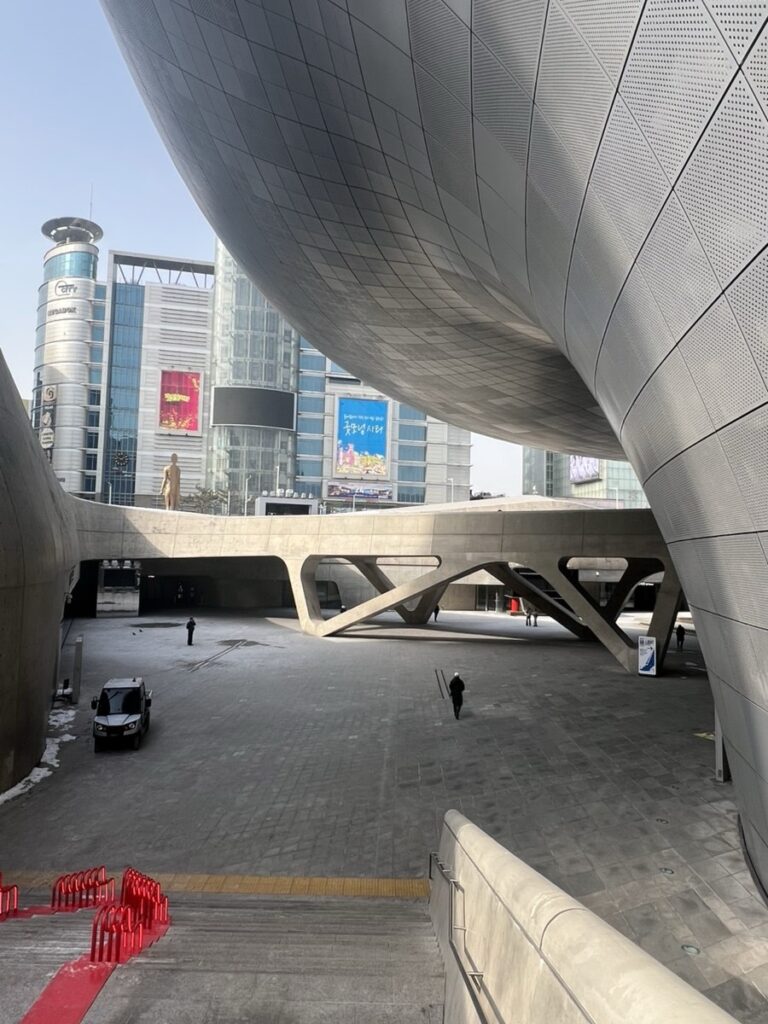
Aerak Café sits near Dongdaemun Design Plaza, and the contrast between the two is immediately striking. DDP — Zaha Hadid’s iconic curving silver structure — is one of the most aggressively contemporary buildings in Seoul. Aerak occupies a different register entirely: warm, worn, and filled with the kind of objects and furniture that accumulate in a space over decades rather than being installed in a single renovation.
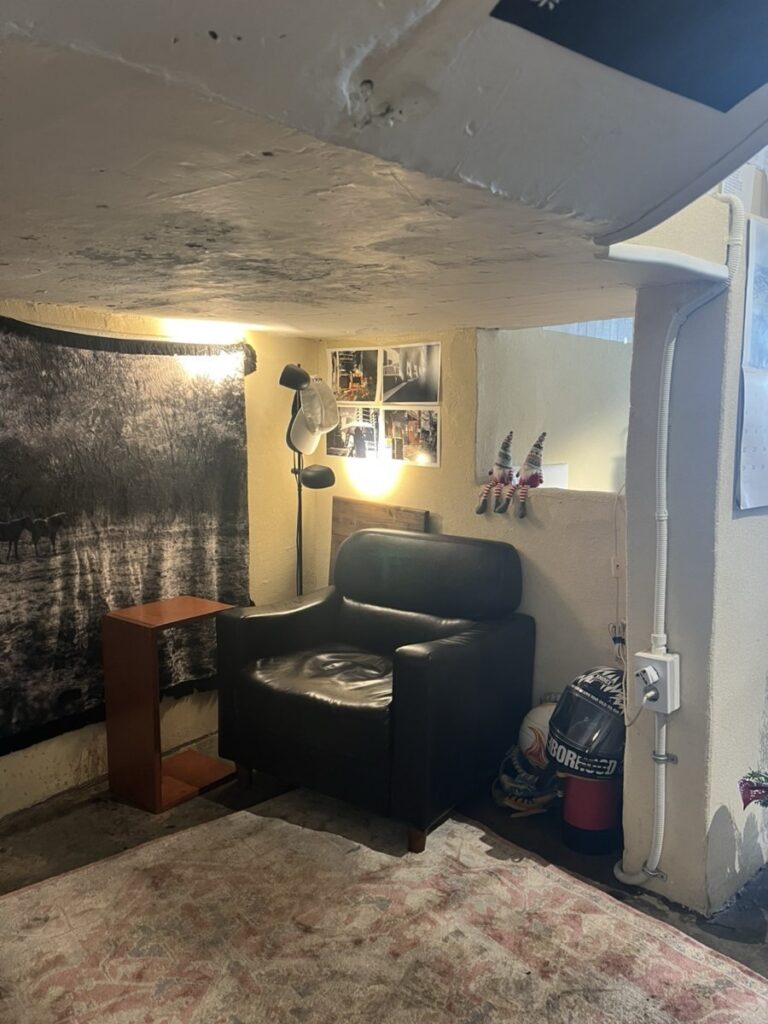
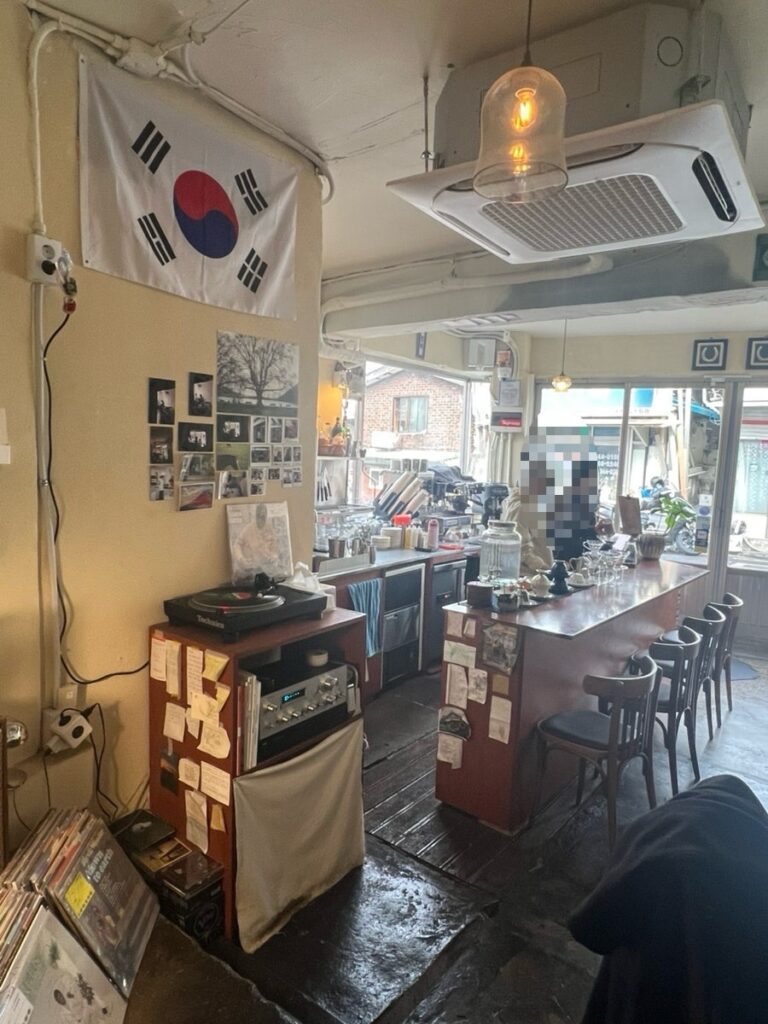
Stepping inside Aerak is the experience of entering a room that has been cared for over a long period of time. The interior draws on the visual language of Korean retro culture — the aesthetic of the 1970s and 80s that has become genuinely appealing to younger Seoul visitors not through nostalgia but through its contrast with the relentless newness of most of the city. Warm lighting, vintage objects, the smell of coffee, and a pace that is distinctly unhurried define the atmosphere here.

poster of aerak

The Coffee

brewing coffee


Filter coffee is the focus at Aerak, and it is prepared with the patience that the format requires. The café does not rush the brewing process, and the result is coffee that rewards the same unhurried approach in the drinking. Each cup arrives with a quality of attention that reflects a genuine commitment to the filter tradition rather than a design gesture toward it.
The retro ceramic cups in which the coffee is served add a tactile dimension that matters more than it might seem — the weight and warmth of a properly made ceramic cup changes the experience of drinking in ways that paper or standard commercial ceramics do not.
Aerak is a good first stop not just because of the coffee but because of what it does to pace. Sitting in this interior for an hour before moving into the streets of Sindang-dong sets a tempo for the rest of the course that makes everything that follows feel more considered.

What to order:


∙ Filter coffee: The house specialty; ask what is currently being brewed
∙ Hand-drip options: Available when in season; worth asking about
∙ Price range: 6,000 – 10,000 KRW
Practical Notes:
∙ Location: Near Dongdaemun Design Plaza (DDP), Jung-gu, Seoul
∙ Access: Short walk from DDP Station (Line 2/4/5) or Dongdaemun History & Culture Park Station
∙ Best for: Retro café enthusiasts, filter coffee drinkers, solo mornings, anyone who wants a calm start before exploring Sindang-dong

vibe of aerak
old style door
cozy space

Aerak is famous for its signature desserts that often reinterpret traditional Korean ingredients with a modern twist. Their coffee is clean and balanced, designed to complement the subtle sweetness of their treats.

The interior is a beautiful blend of traditional Korean aesthetics and modern minimalism. Expect dark wood, soft lighting, and an almost meditative atmosphere. It’s the perfect place to “reset” your energy.

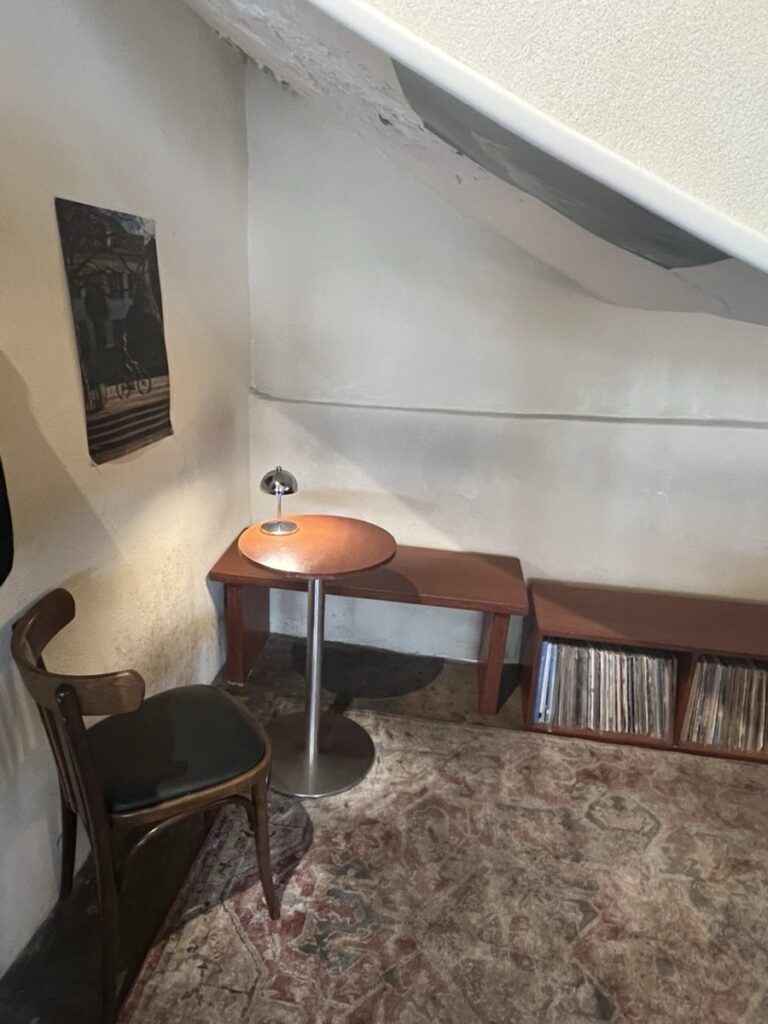
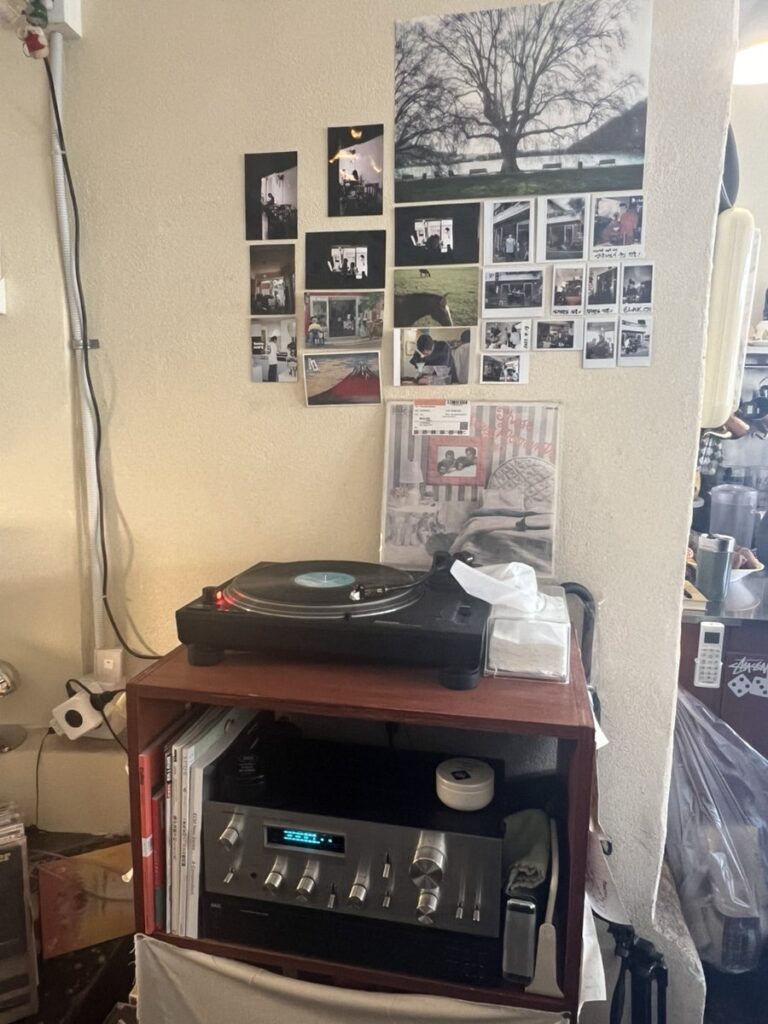
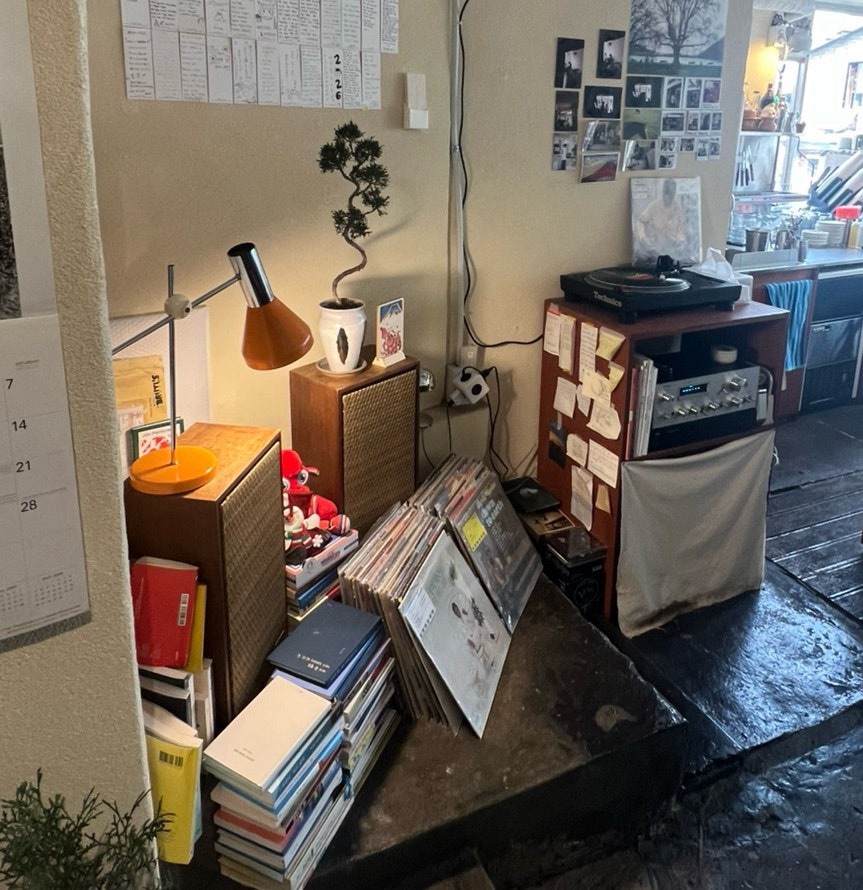
many vinyl & audio
a loft-like space

Turntable

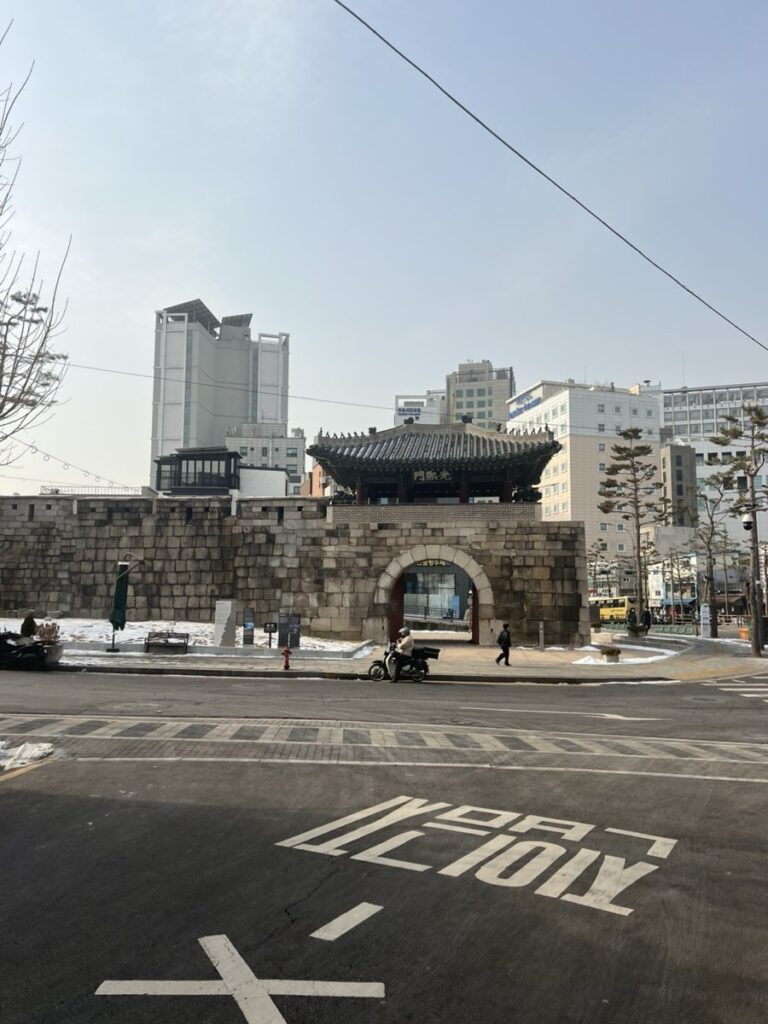
That building is Gwanghuimun Gate

one of old gate in hanyang(seoul), photo by barange

During the Joseon Dynasty in Korea, there were four main gates and four small gates. Gwanghuimun Gate is a rumor in the southeast direction of the four main gates.


ddp space, photo by barange

DDP is one of Seoul’s landmarks, which is famous for its architecture designed by Zaha Hadid, a Pritzker-winning female architect. If you go to Dongdaemun, I recommend you to visit DDP building and stop by the Seoul Design Store to purchase various Korean design products. This place is full of unique, unique products from Korea that are full of ideas.


Stop 2: Cheonpatjuk (천팥죽) — Local Red Bean Porridge in Sindang-dong

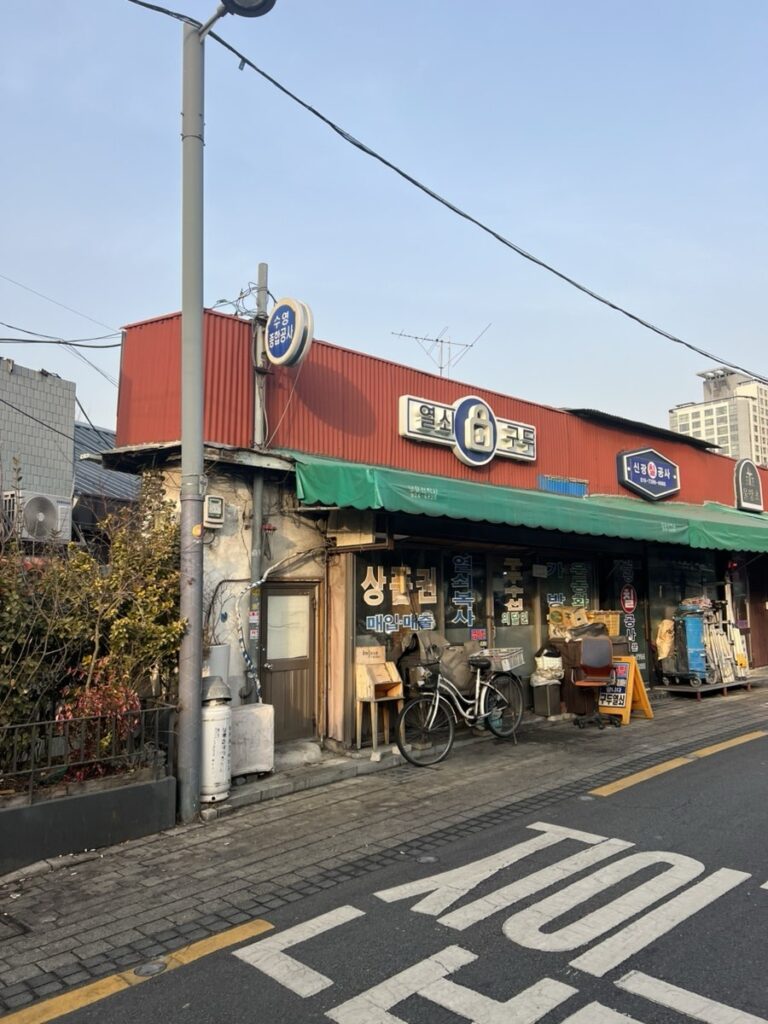
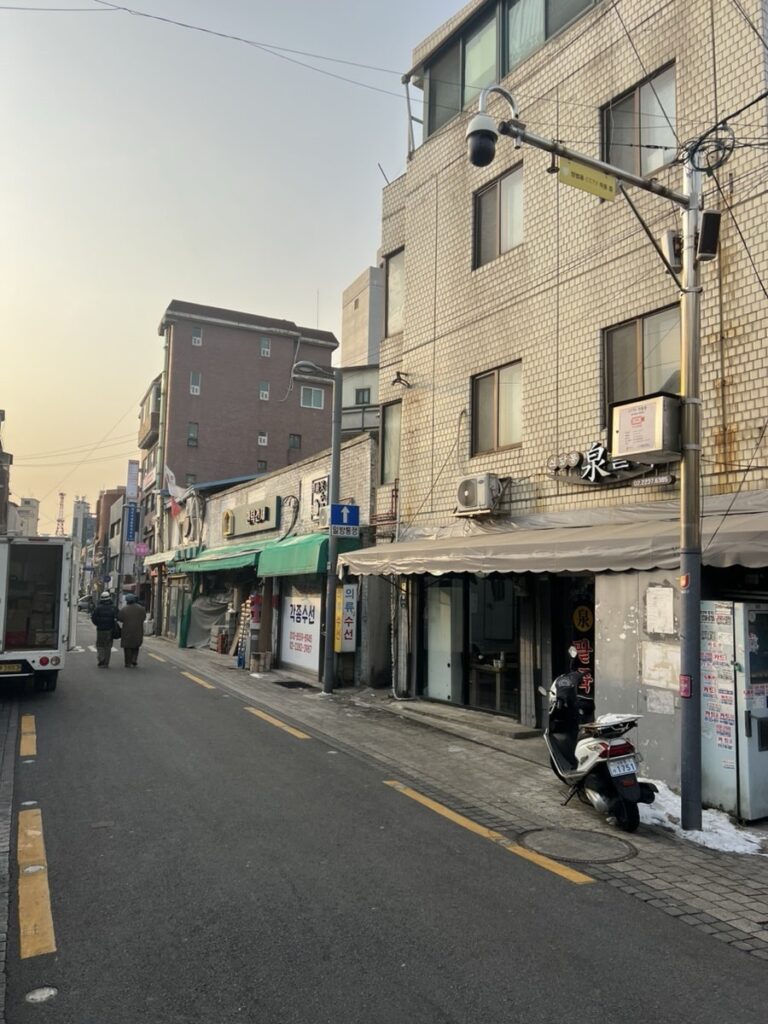
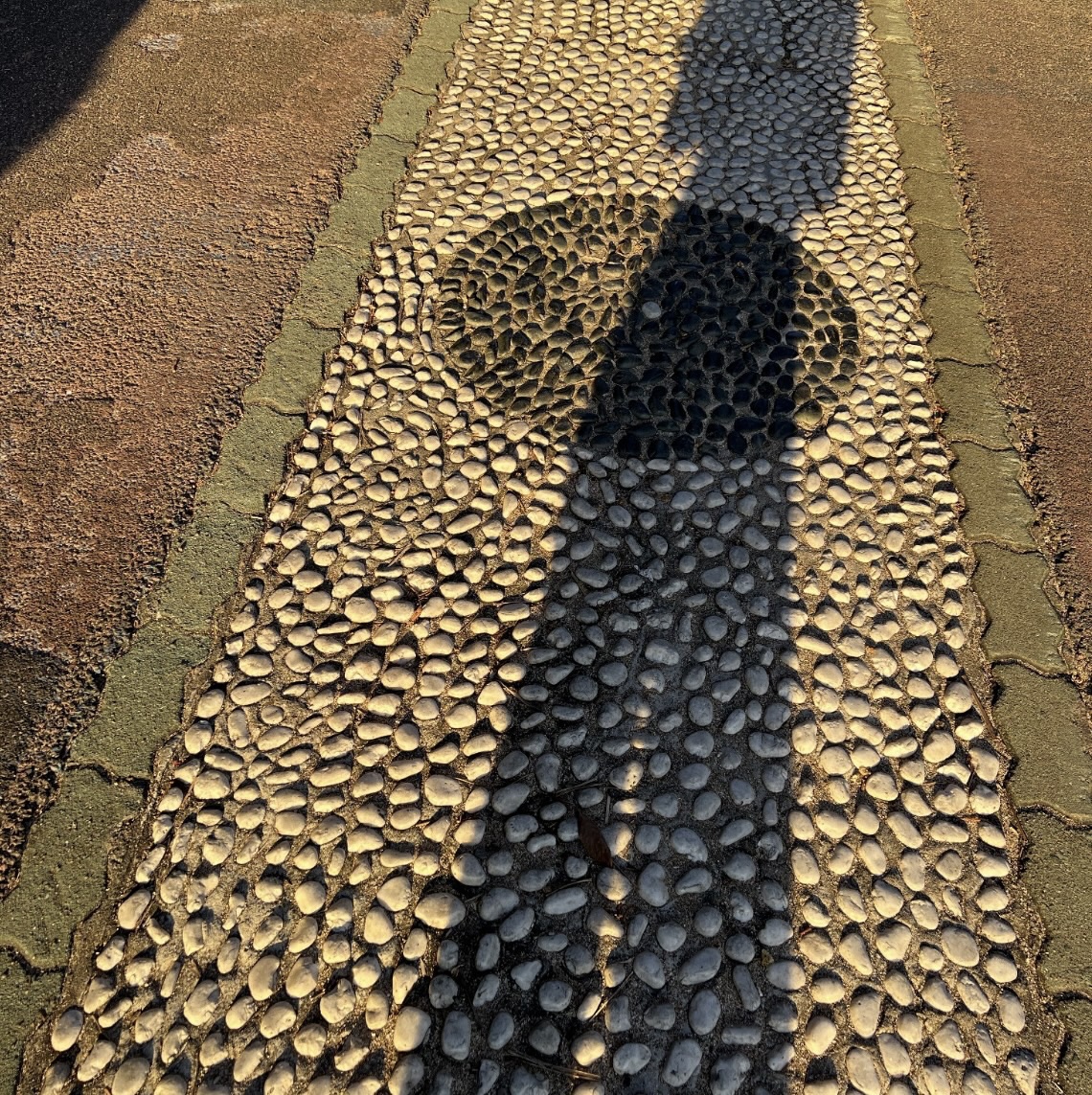
hipdangdong street, photo by barange

What Patjuk Is


Patjuk (팥죽) is red bean porridge — one of Korea’s oldest and most deeply rooted comfort foods. Made from simmered red beans (pat) with rice flour dumplings (saealsim) or glutinous rice, it occupies a place in Korean food culture that goes well beyond simple sustenance. It is eaten on the winter solstice as part of a tradition that stretches back centuries, served at family gatherings, and found in the kind of local restaurants that have been making it the same way for decades without any interest in updating the formula.
Cheonpatjuk is exactly this kind of restaurant. It has been serving the Sindang-dong neighborhood for years, drawing a regular clientele of local residents who return not because it is fashionable but because the porridge is genuinely good and the experience of eating there is genuinely satisfying. In a neighborhood that is beginning to attract newer cafés and younger visitors, Cheonpatjuk represents the older Sindang — the one that existed before anyone called the area Hip-dang.

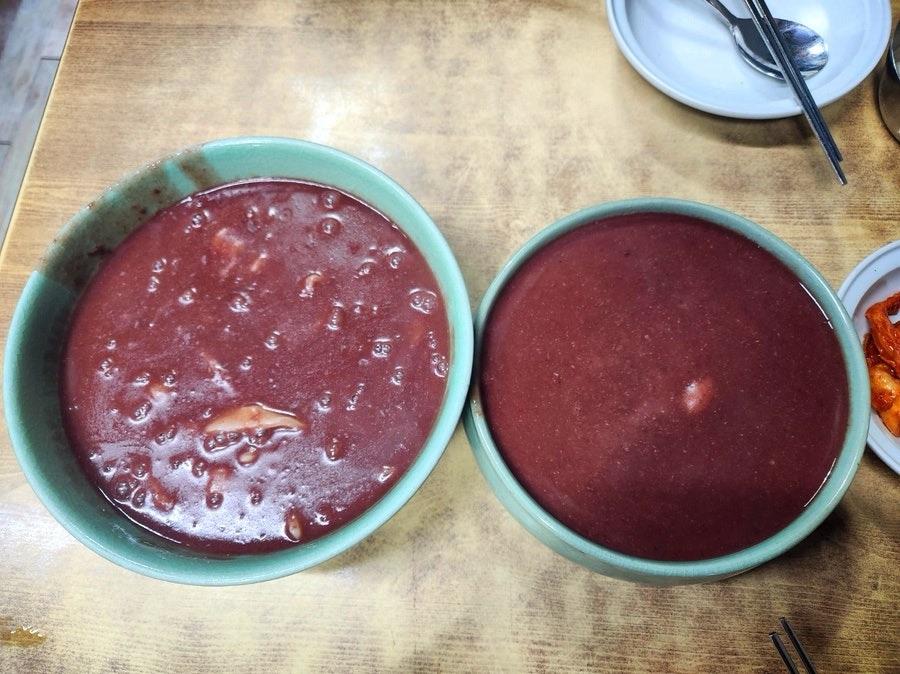
food with side dishes

The Food


The patjuk at Cheonpatjuk is made with well-fermented red beans that have been cooked long enough to develop the deep, earthy sweetness that distinguishes properly made porridge from its faster, more commercial counterparts. The texture is thick and smooth, with the rice flour dumplings providing a soft chewiness that anchors each spoonful.
The dish is served warm — almost always, because patjuk is fundamentally a food for cold days and the warmth is part of what it offers. After a morning of coffee and walking, it functions as a reset: grounding, nourishing, and entirely free of the complexity that most restaurant meals involve.
The simplicity of the menu is itself meaningful. Cheonpatjuk is not trying to offer everything. It has identified what it does well and built a loyal audience around doing that one thing consistently. This kind of focused identity is increasingly rare in Seoul’s restaurant landscape, and it is part of what makes a stop like this worth including in a course rather than skipping in favor of something more elaborate.

awesome foods

What to order


∙ Patjuk (팥죽): The signature dish; served warm with rice flour dumplings
∙ Additional options: Check the current menu on arrival — the offering is simple and seasonal
∙ Price range: 8,000 – 12,000 KRW per person
Practical Notes:
∙ Location: Sindang-dong, Jung-gu, Seoul
∙ Access: Short walk from Sindang Station (Line 2/6)
∙ Best for: Anyone interested in traditional Korean food culture; a genuinely local lunch experience far from the tourist circuit; a warm, simple meal between café stops
∙ Tip: Cheonpatjuk operates on the rhythms of a local neighborhood restaurant — arrive at reasonable lunch hours and be prepared for a simple, efficient experience rather than a leisurely dining event.


Walking Sindang-dong: The Street Between Stops

street vibe


The walk from Cheonpatjuk to Lotus Roasting Lab is not simply a transit between stops — it is a meaningful part of the course. Sindang-dong’s streets contain the full range of what a Seoul neighborhood in transition looks like: old pojangmacha tent stalls alongside new independent shops, traditional sundae restaurants next to design studios, the famous tteokbokki alley that has anchored the neighborhood’s food identity for generations.
Walking these streets slowly — not rushing toward the next café — is the most direct way to understand why younger Seoul residents have been drawn to this area. The neighborhood does not perform its character. It simply has it, in the accumulated detail of streets that have been lived in for a long time.


Things to notice along the way:
∙ The tteokbokki alley (신당동 떡볶이 골목): a cluster of restaurants that have been serving the area’s signature spicy rice cake dish for decades
∙ The mix of old commercial buildings and newer independent businesses that defines Hip-dang’s current character
∙ The residential streets that branch off the main routes, where the pace drops further and the neighborhood feels most like itself

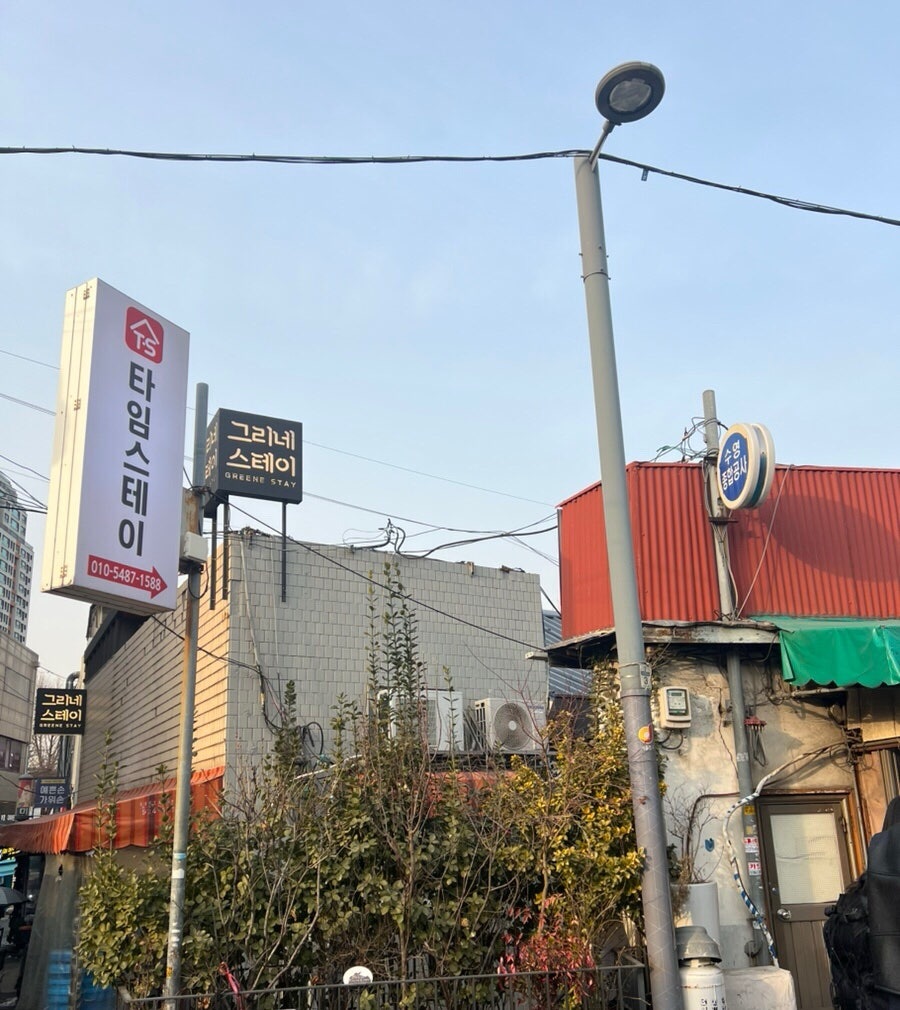
One of stay in sindong

Stop 3: Lotus Roasting Lab (로투스 로스팅 랩) — Precision Coffee in Hip-dang

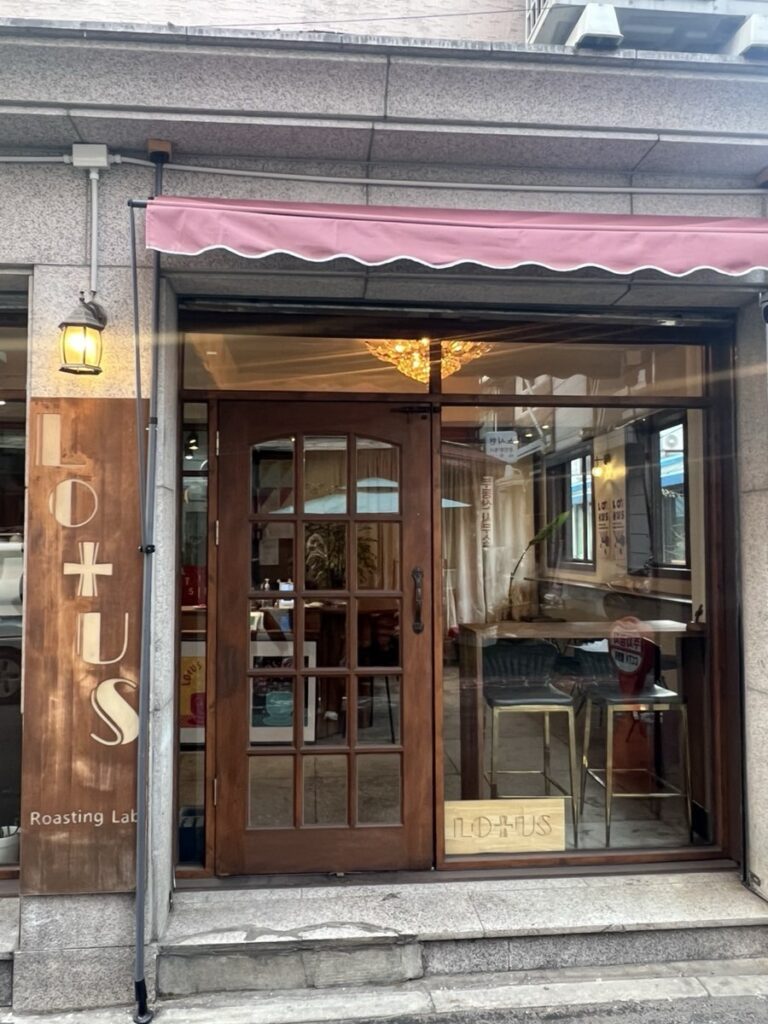
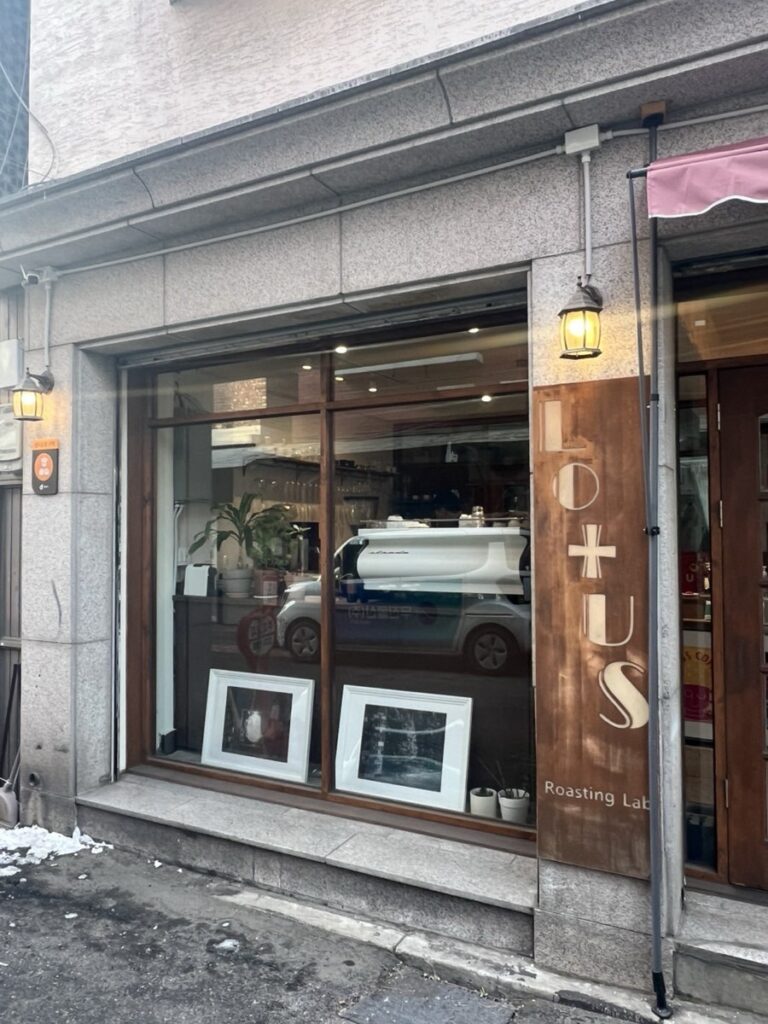
the exterior of a cafe ‘lotus’

The Roastery in the Neighborhood


Lotus Roasting Lab represents the chapter of Sindang-dong’s story that is still being written. A specialty roastery that has chosen to establish itself in a neighborhood associated primarily with traditional food culture and working-class residential streets, it occupies the kind of position that interesting cafés often occupy in transitional neighborhoods: present enough to be part of the change, considered enough not to erase what it found when it arrived.
The name carries a specific intention. The lotus flower grows from murky water to produce something clean and precise — a metaphor that suits both the roastery’s approach to coffee and its location in a neighborhood that contains multitudes. Whether the name was chosen with this symbolism explicitly in mind or not, it fits.

The Space and Atmosphere

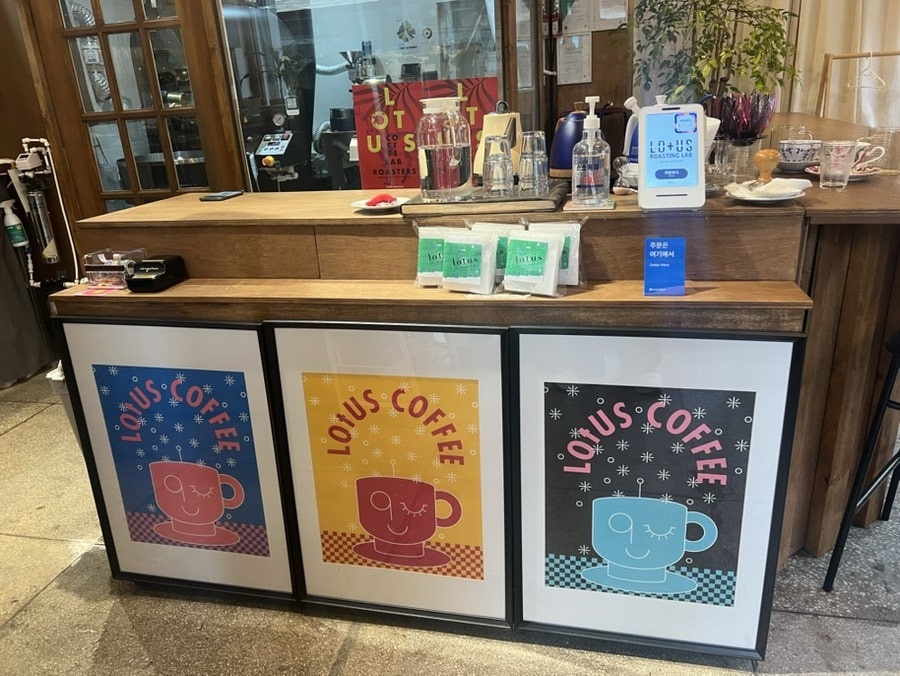
their posters
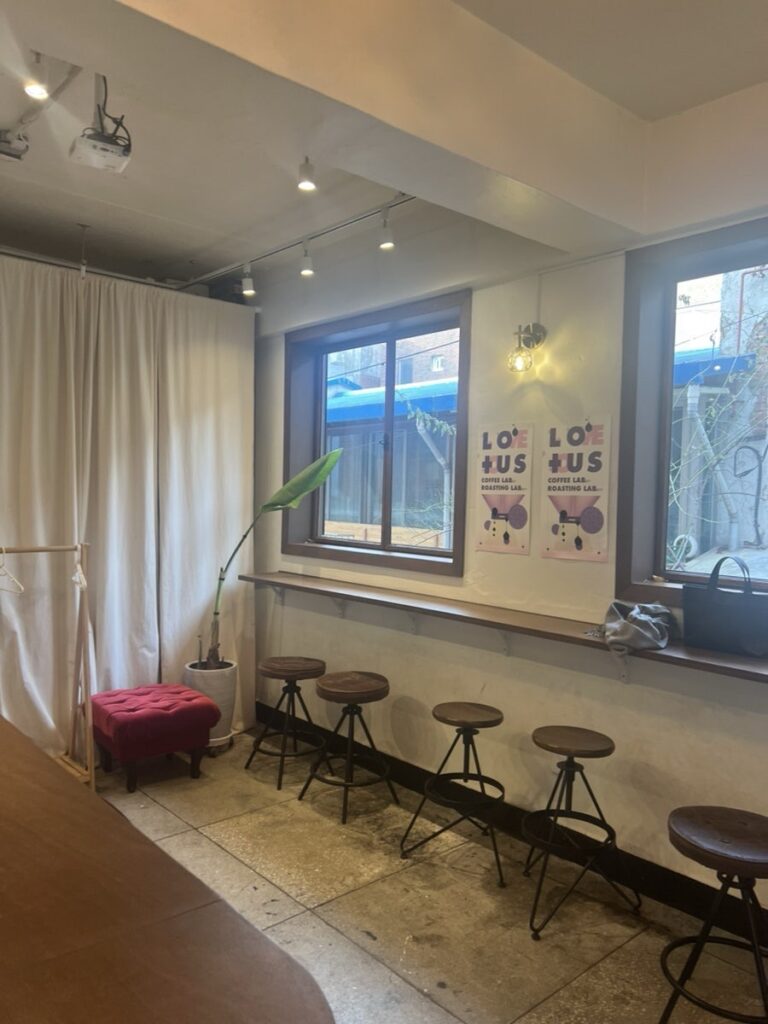
the vibe


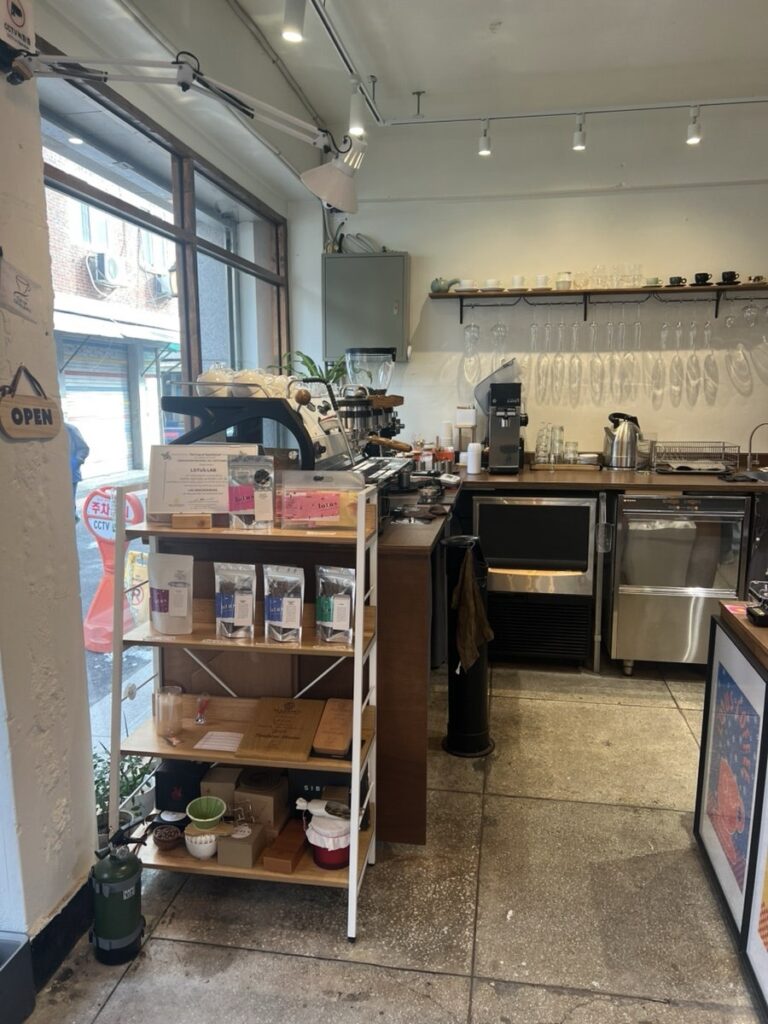
The interior of Lotus Roasting Lab reflects the focus and precision of its coffee program. The design is clean without being cold, modern without being anonymous. Roasting equipment is present and visible, which communicates immediately that the coffee here is sourced and processed on-site — the decisions about how beans are roasted are made by the same people who brew and serve them.
This integration of roasting and serving creates a consistency of quality that cafés operating without their own roastery cannot easily replicate. At Lotus Roasting Lab, what ends up in the cup is directly connected to what happened in the roasting drum, which means the people serving the coffee understand it at every stage.

bar table & stols

The Coffee

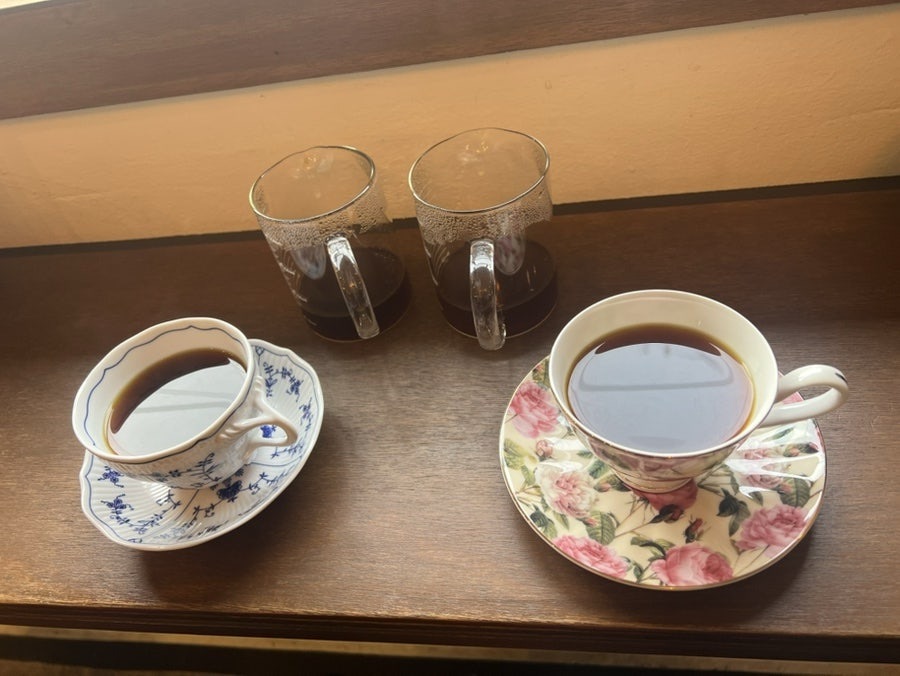
beautiful cup of coffee


As a roastery, Lotus Roasting Lab’s strength is in its sourcing and roasting decisions, which show clearly in the cup. The filter coffee program features single-origin selections that rotate with the sourcing calendar, each chosen and roasted to highlight the distinct characteristics of its origin. The espresso-based drinks are built on a house blend that reflects the same approach: precise, intentional, and consistent.
For visitors who have spent the morning with Aerak’s retro filter coffee and the afternoon eating traditional patjuk, Lotus Roasting Lab functions as a clean finish — a coffee that is forward-looking rather than nostalgic, precise rather than comfortable, and which sends you back into the city with a clear sense of where you have been and what you have tasted.
What to order:
∙ Single-origin filter coffee: The best expression of what the roastery does; ask for the current recommendation
∙ Espresso / Americano: Clean and precise; reflects the house roasting philosophy
∙ Latte: Well-balanced; the milk does not overwhelm the coffee character
∙ Price range: 6,000 – 11,000 KRW
Practical Notes:
∙ Location: Sindang-dong, Jung-gu, Seoul (Hip-dang area)
∙ Access: Near Sindang Station (Line 2/6)
∙ Best for: Specialty coffee enthusiasts; a considered end to the course; anyone who wants to understand how Sindang-dong’s newer layer relates to its older one
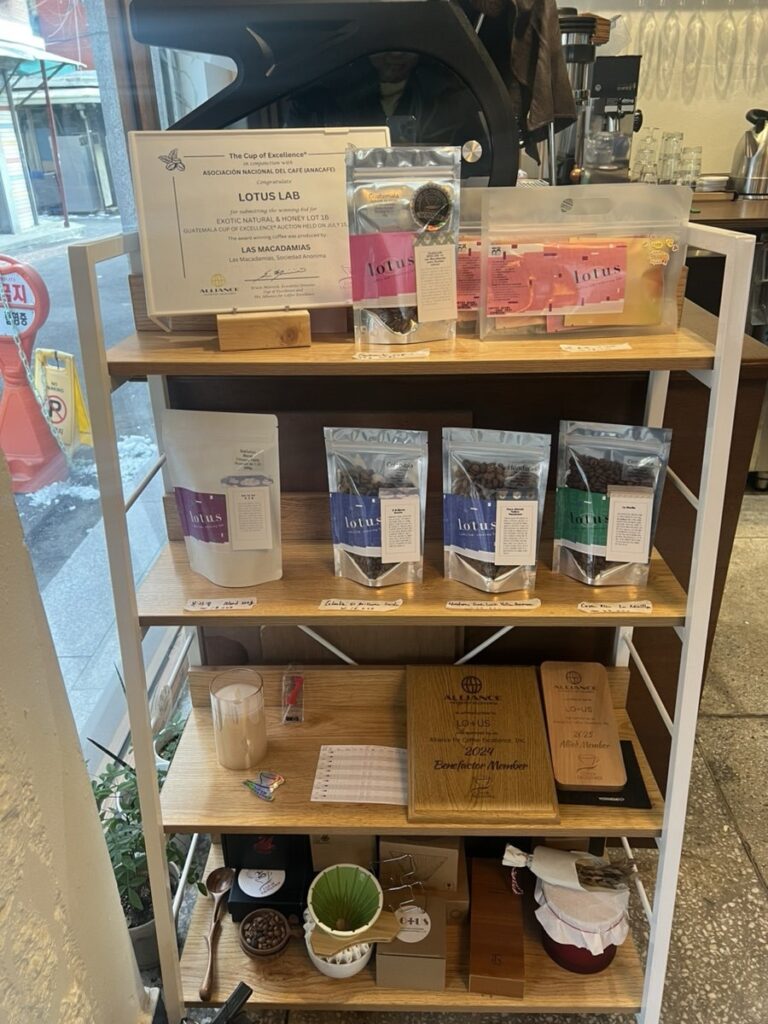
∙ Tip: If the roastery has beans available for purchase, ask about current offerings. Taking home a bag from a roastery you have visited is a different experience from buying beans blindly online.

brewing coffee
many coffee beans

bar table

mood

lotus roasting lap