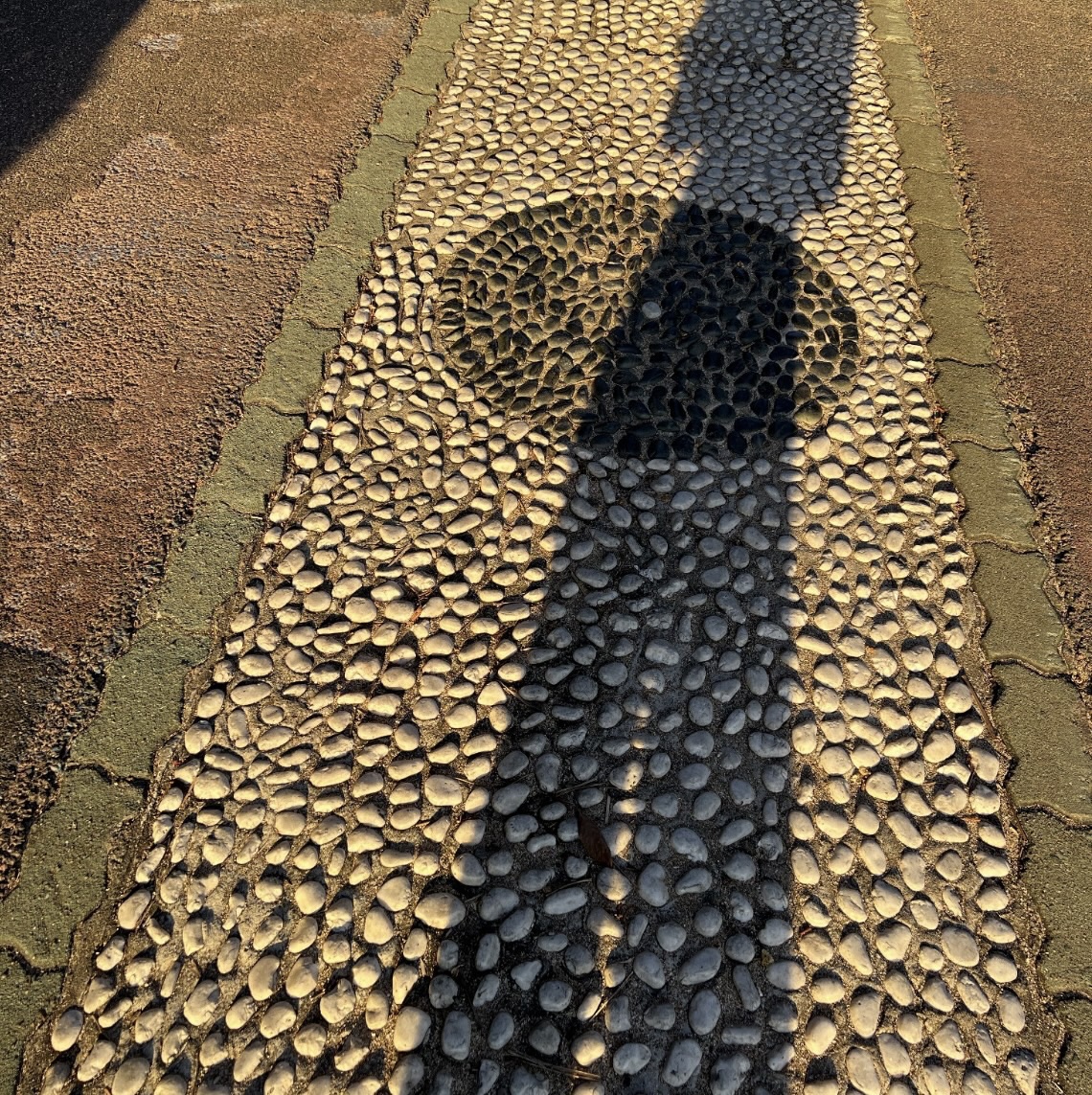
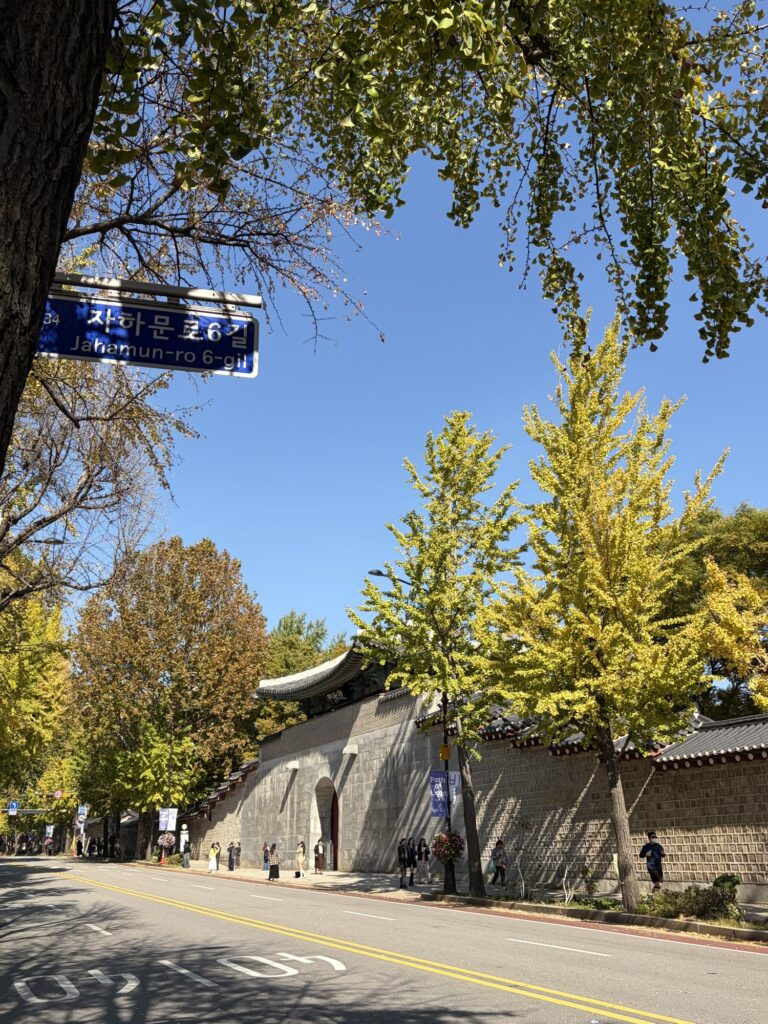
Autumn in Korea, a country with four distinct seasons, is a great time for outdoor activities.
In Korea, people mainly enjoy traveling in spring and summer. In spring, people go to see flowers, and in autumn, they go to see the autumn leaves.
There are many places in Seoul, too, where you can fully enjoy the atmosphere of Korean autumn.
One of my favorite places is Seochon.
Seochon is located to the left of Gyeongbokgung Palace, so its name combines “seo,” meaning west (as in north, south, east, and west), and “chon,” meaning village.
For reference, on the right side of Gyeongbokgung Palace are Anguk-dong and Samcheong-dong. In my personal opinion, these days more Koreans go to Seochon, and Samcheong-dong feels quieter than it used to.
Today, it’s a neighborhood with many galleries, shops, and restaurants, so there’s plenty to see and eat.
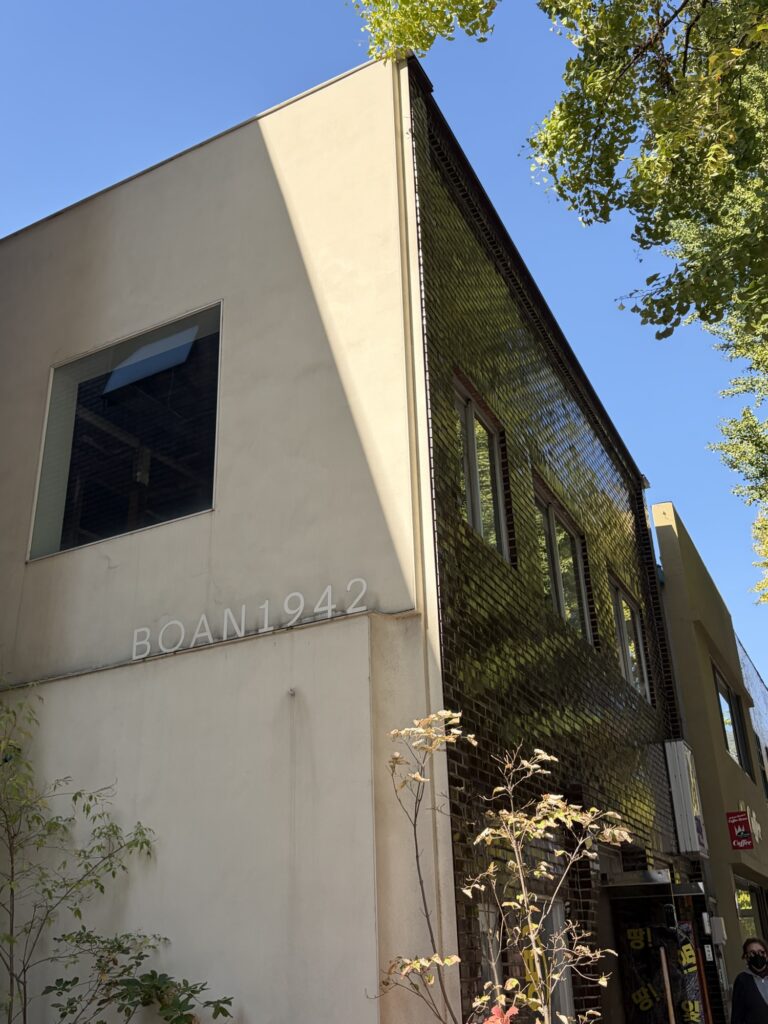
The weather was nice today, so I stopped by Seochon, and at Boan 1942, a cultural complex, I saw an exhibition, browsed books, and had coffee.
Boan Inn, which opened in 1942, operated as an inn until 2004. Today, you can stay overnight at Boan Stay.
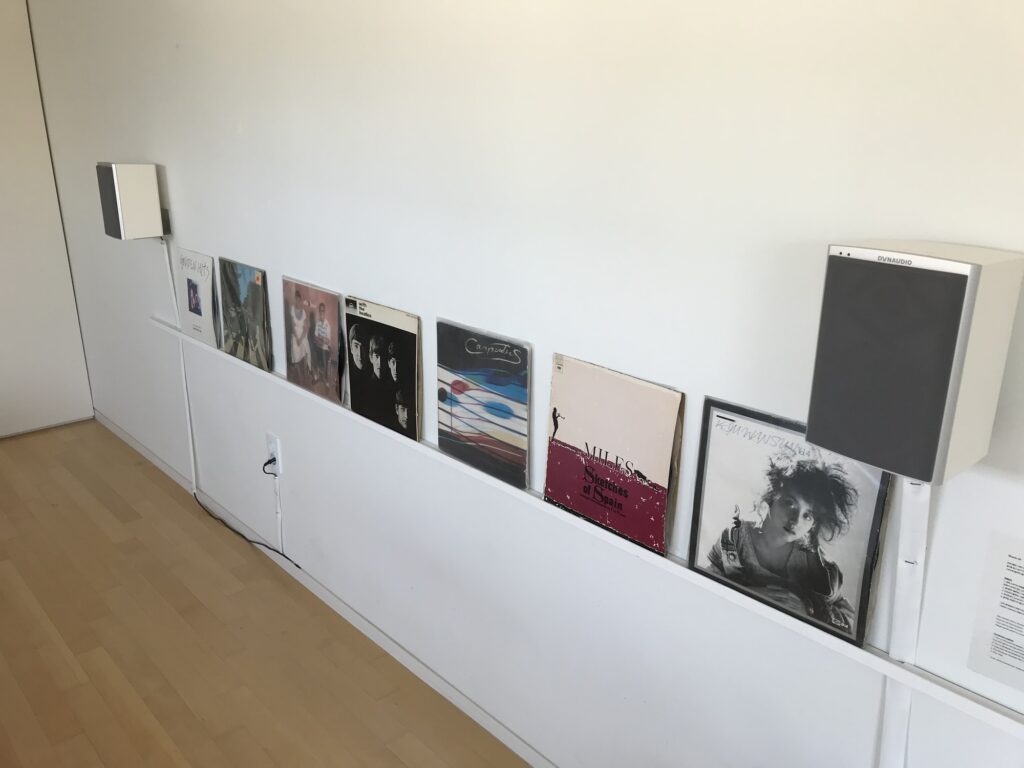
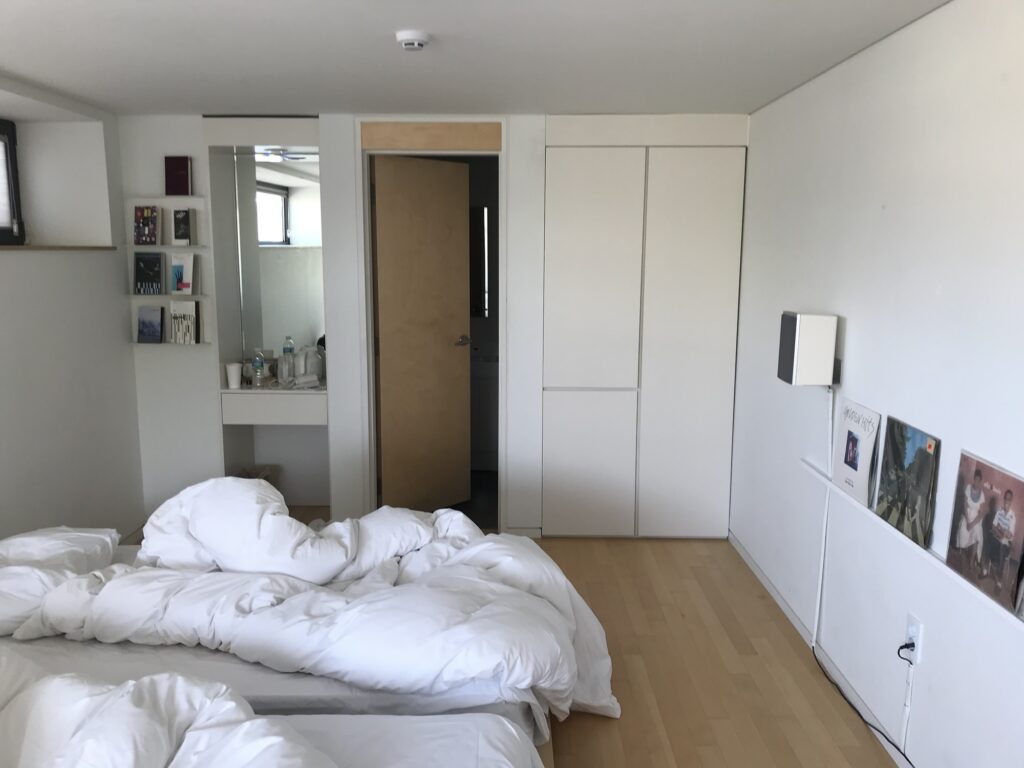
Below is a photo I took at Boan Stay last year.
The advantages of Boan Stay are the great view and the convenient location in the center of the city.
I remember how nice it was to lie in the room and look at the mountain.
For reference:
Tongui-dong Boan Inn is a place with over 80 years of history, and since 1942 it has been a resting place where countless travelers stayed.
Starting in 2007, it began operating anew as a cultural production space for creators, and in 2017 it expanded into “Boan 1942.”
Boan 1942 is a complex cultural and art space made up of exhibition spaces, a bookstore, a café, and more. It is said to have become a place that explores the possibilities of contemporary art and various media, and presents a new cultural ecosystem through artistic practice.
(Source: Visit Seoul website)
It is the place where “Siin Burak” (Poets’ Village), built in 1936 as a wooden inn, was created. It is the birthplace of modern Korean literature, and a living cultural heritage site where many artists and writers stayed as a real inn until 2004.
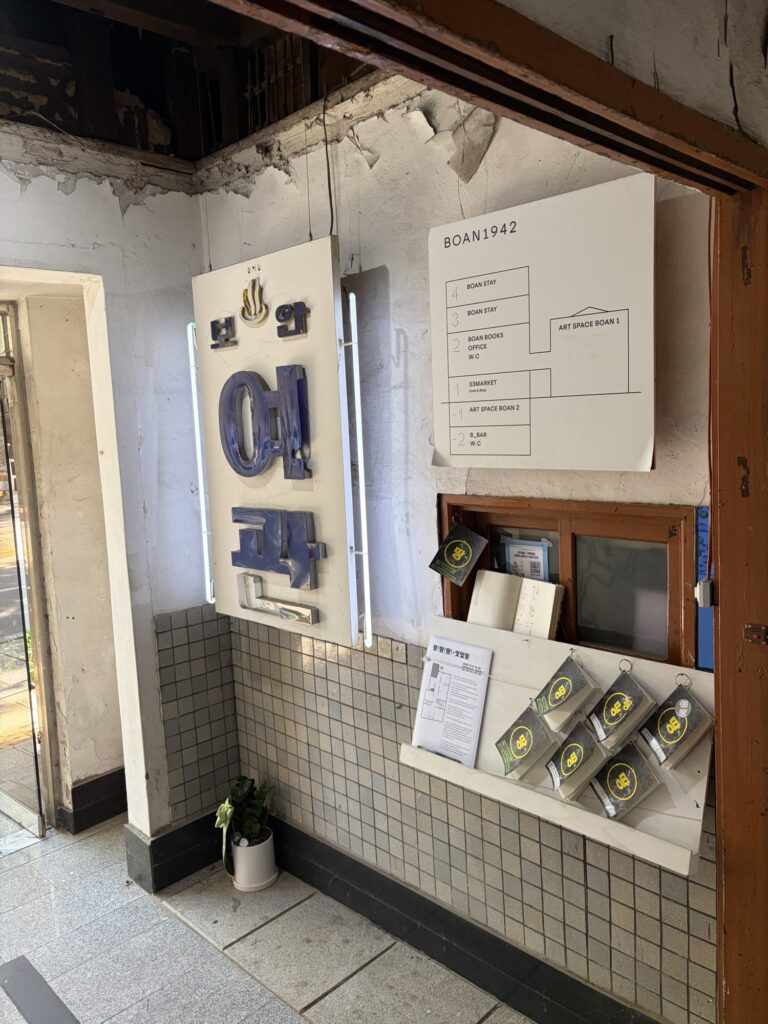
Because it served as an inn for travelers for many years, it is a place where staying and leaving coexist, and it was also a space for cultural producers and for people who love and enjoy culture and the arts.
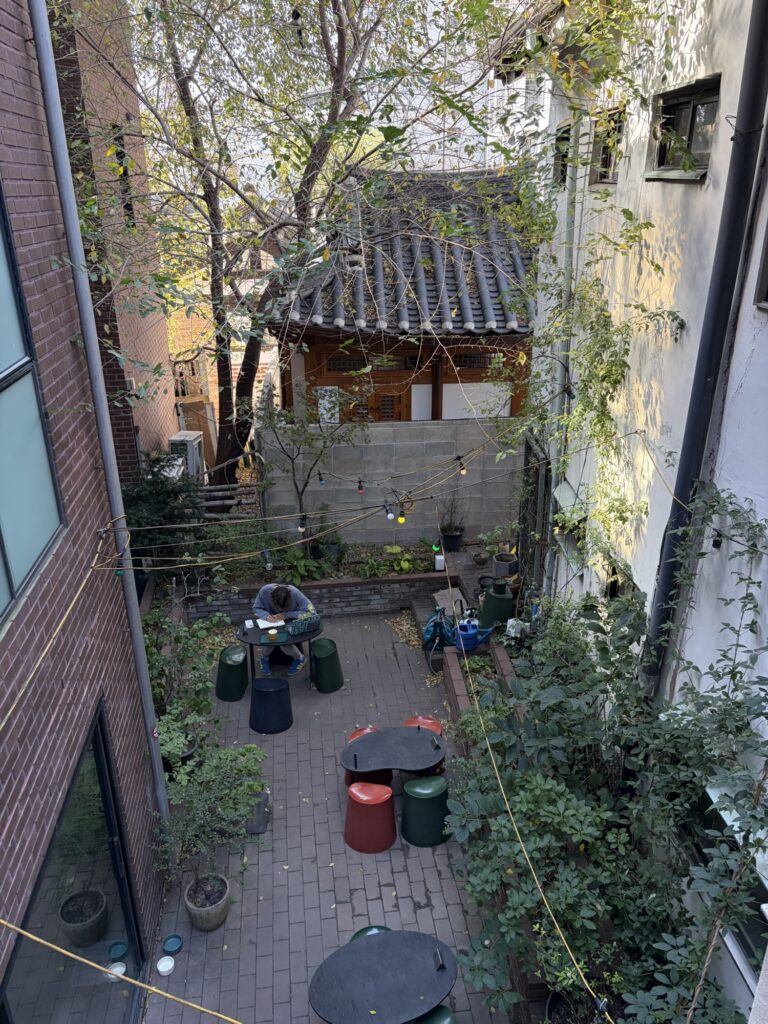
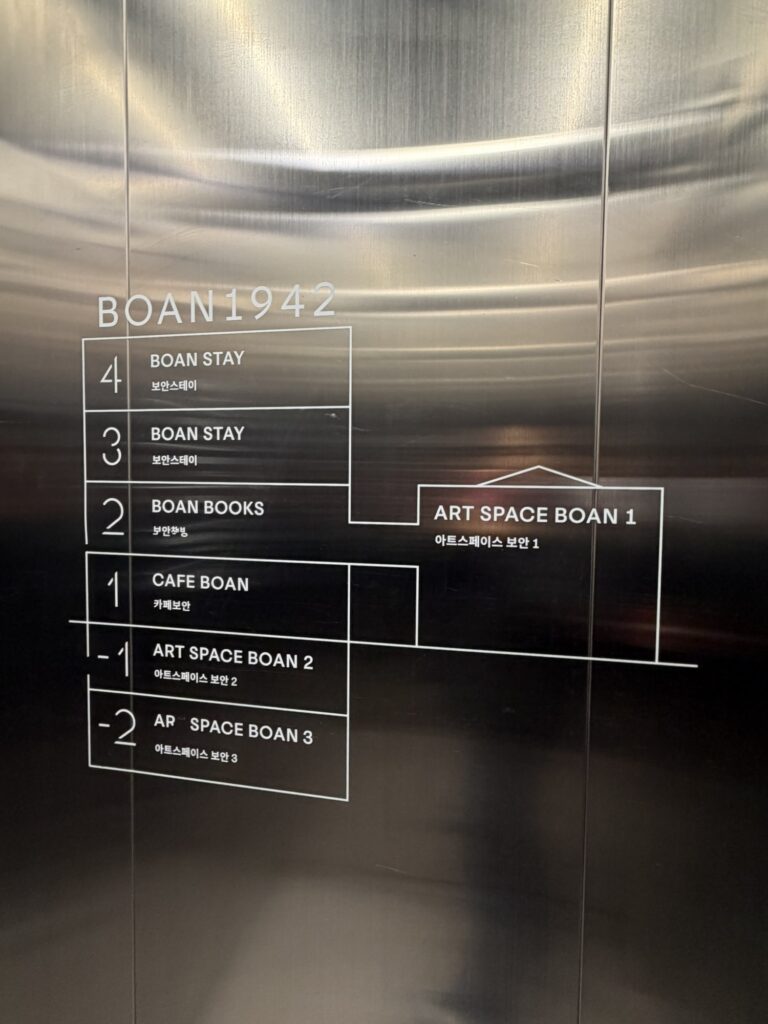
Continuing the identity of this space, the old wooden inn building and the new four-story brick building now operate as “Boan 1942”: Art Space Boan, Boan Bookstore, Boan Stay, and Café Boan.
(Source: Boan Inn information guide)
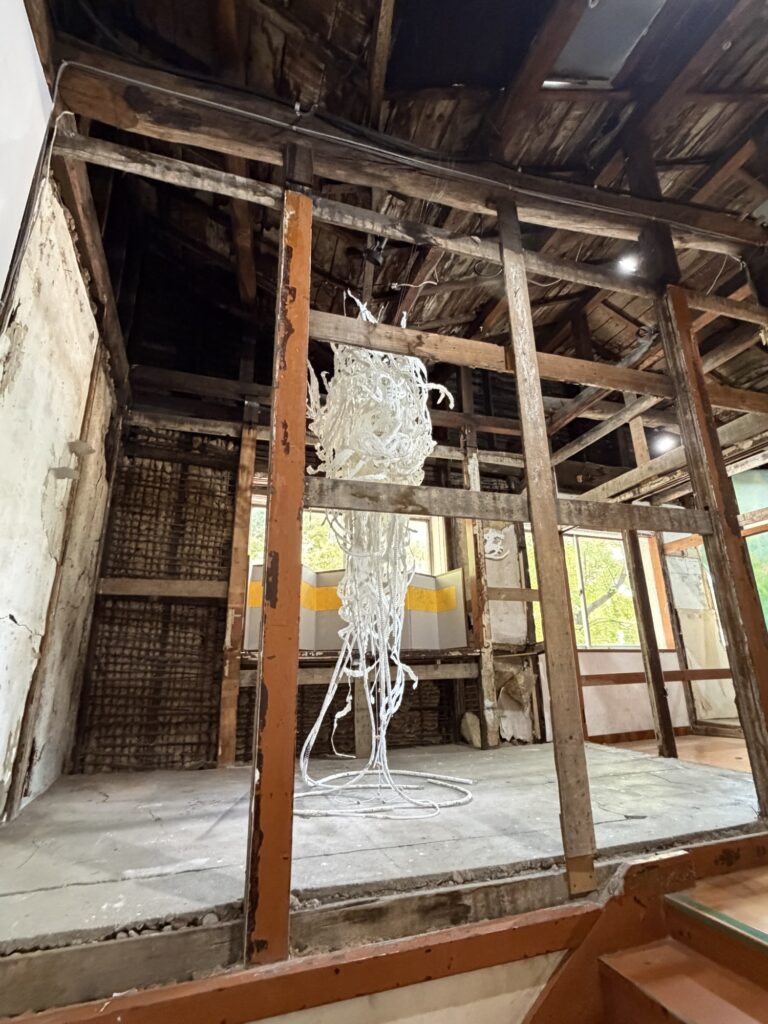
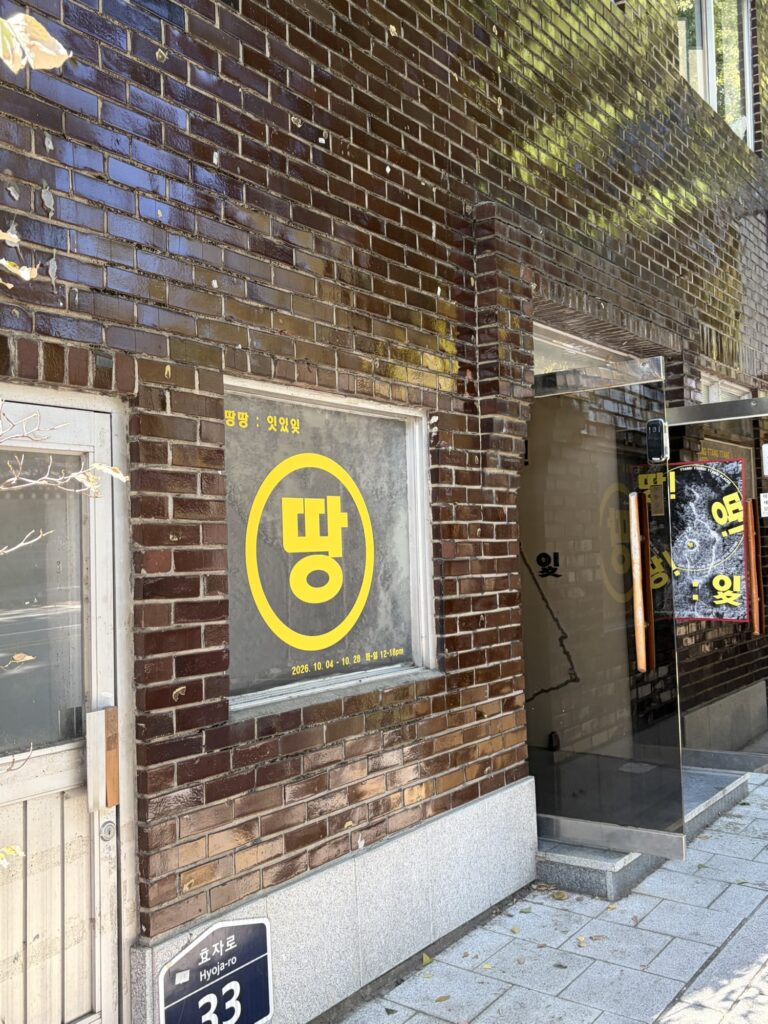
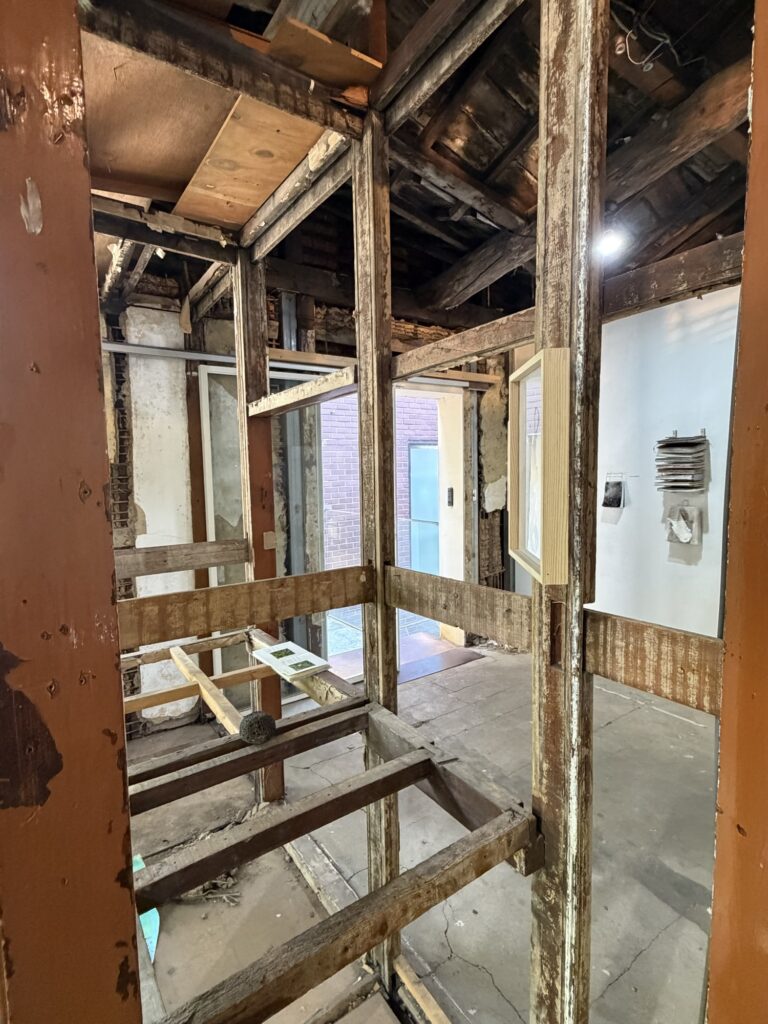
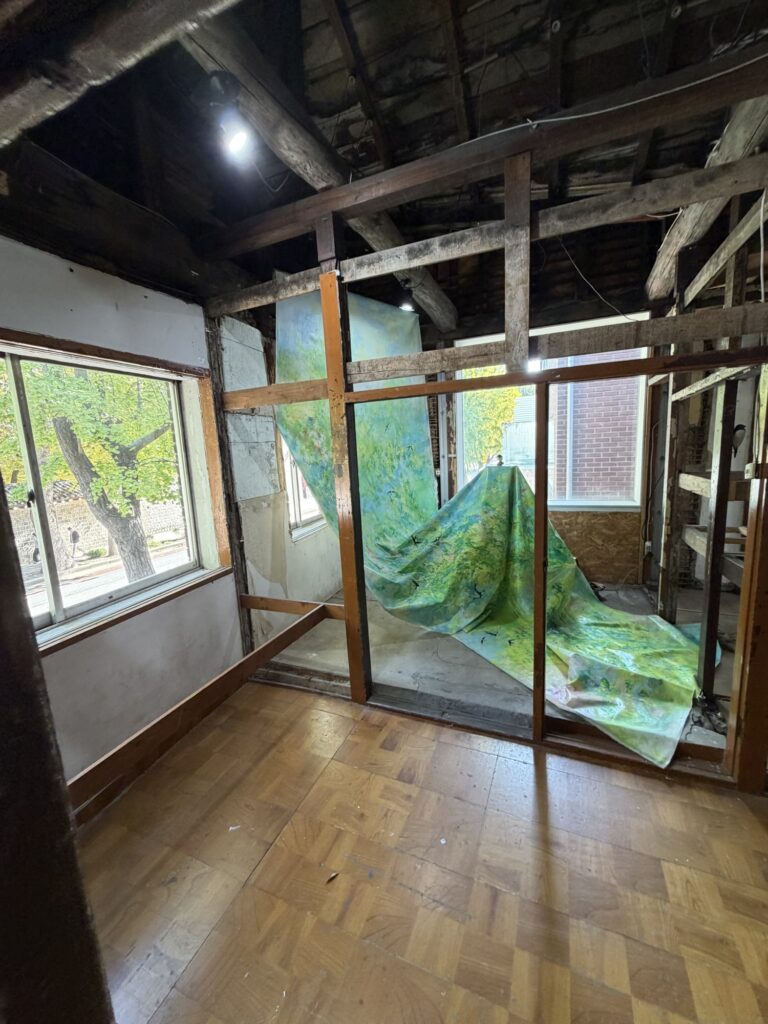
The exhibitions seem to change periodically, and at the old building of Boan Inn, a special exhibition called “Ttangttangttang” was being held.
It looked like a group show by young artists, and it was an interesting exhibition that offered a glimpse into different ideas about land.
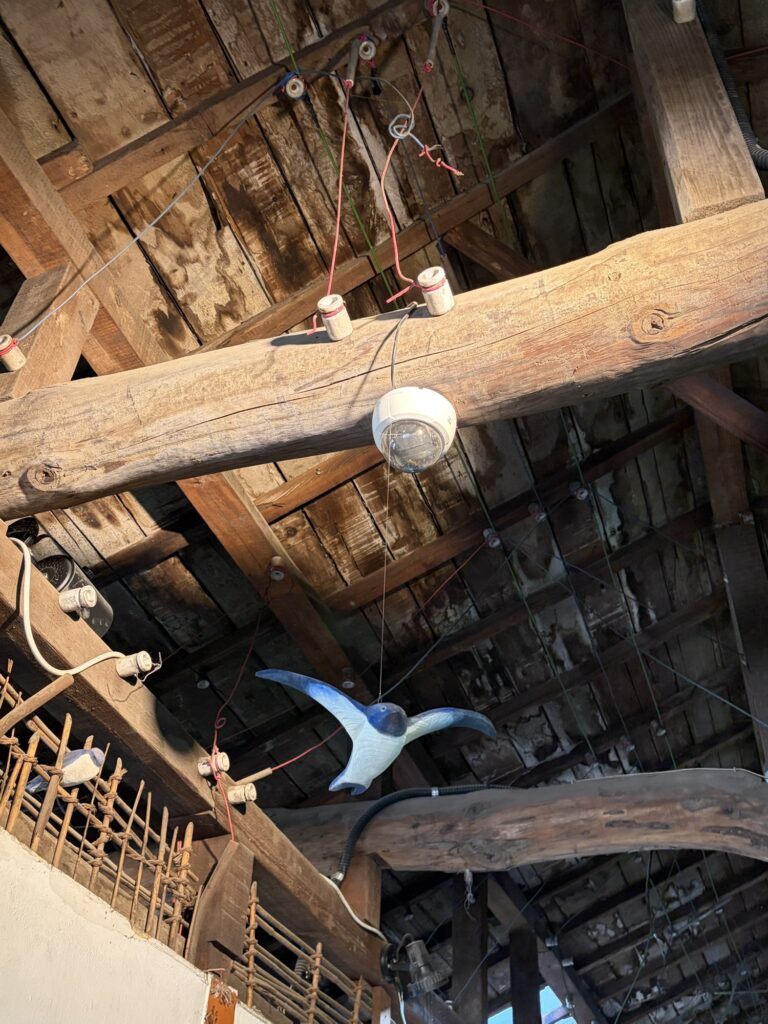
The exhibition is interesting, but the space itself is truly unique.
The eaves, the rafters, and every single pillar.
Even if you’re not interested in art, it’s a good space just for looking at the structure of an old building.
It’s a fascinating space where the feel of the Japanese colonial period and Korea’s traditional look come through well.
On the second floor, there was a passage leading from the old building to the new building, and the new building’s second floor had a bookstore.
While I was looking at books, I felt something brush past my leg. I looked down and saw a cute black-and-white puppy wandering around.
It turned out to be “Yeondu,” the resident dog here.
It was walking around through its own little door.
The owner seems to have taken great care of the dog.
I took a rest and had a cup of coffee at the café on the first floor of the new building.
Crafts are also sold throughout the café.
However, I ordered a latte, and I wondered whether it was a latte made without steamed milk…
It tasted kind of weak.
Or maybe it was a moka pot latte?
Anyway, it felt like a milk tea-style latte, haha.
The coffee cup is very pretty, though.
Tea seems to be the signature menu here.
If you’re planning a visit, I recommend ordering tea.
After the tea, I saw more exhibitions on basement levels 1 and 2 of the new building.
This space is smaller than the old building, so solo exhibitions by artists were being held.
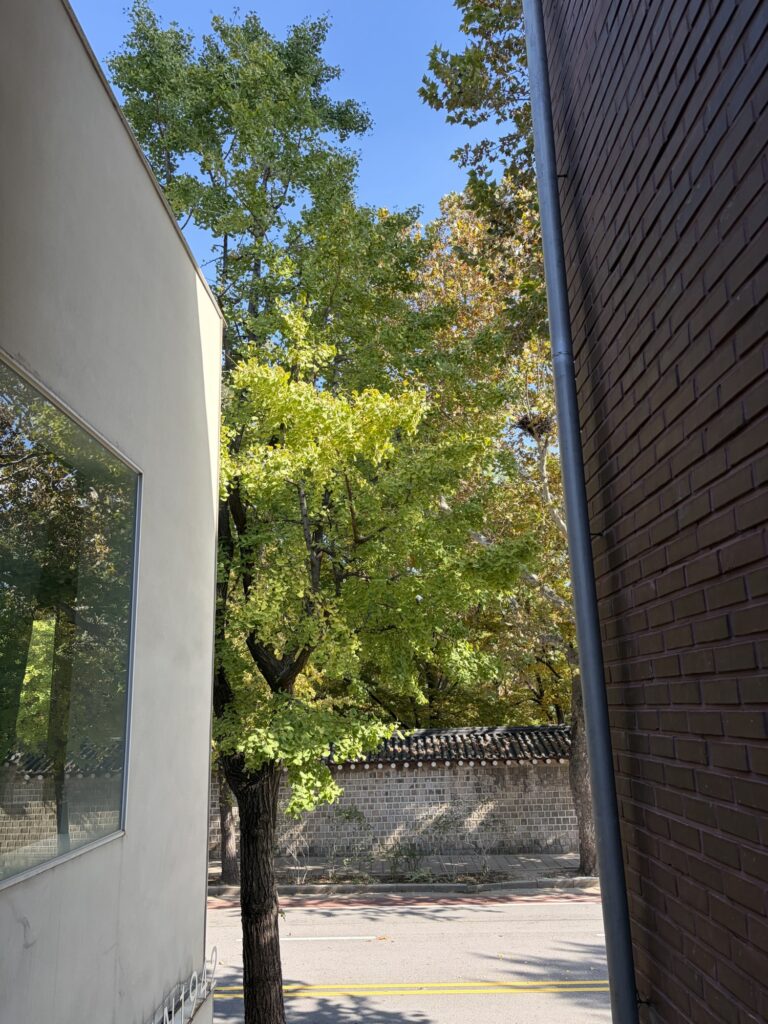
When I came outside, the weather was wonderful,
and maybe because of that, there were a lot of tourists,
and many people were taking photos.
Everyone was enjoying the autumn day.
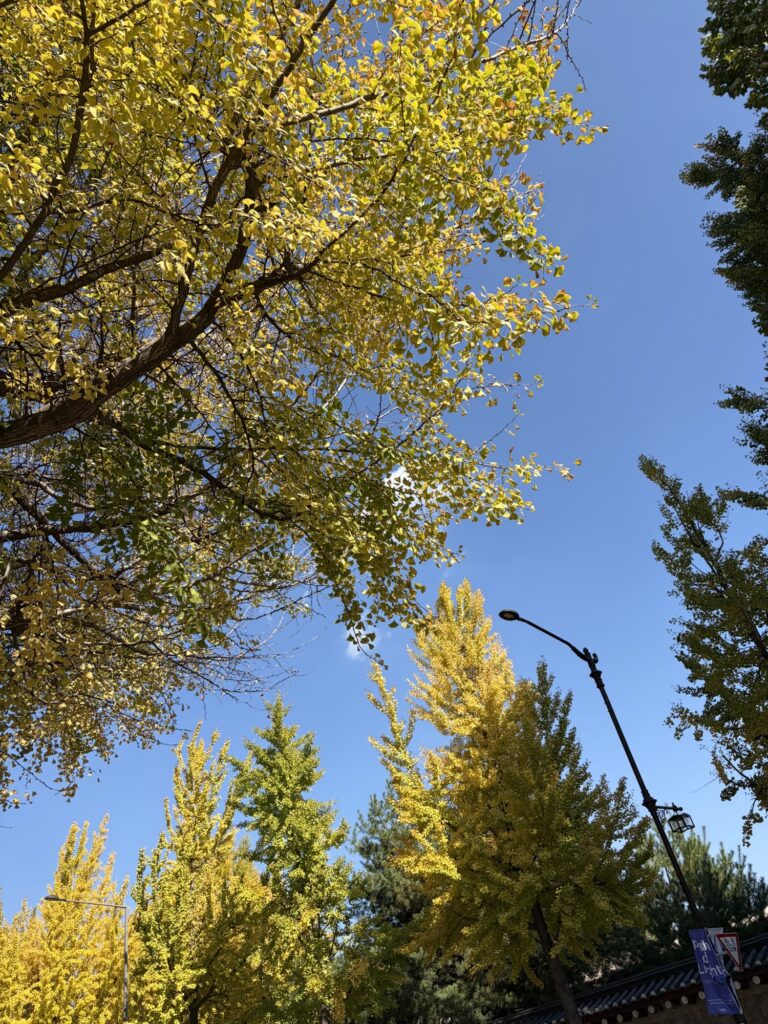
The ginkgo trees are still turning color,
but the blue sky
and the sunlight filtering through, what you might call “byeonnwi” (sunbeams breaking through the shade),
the light falling in between makes the scenery even more beautiful.
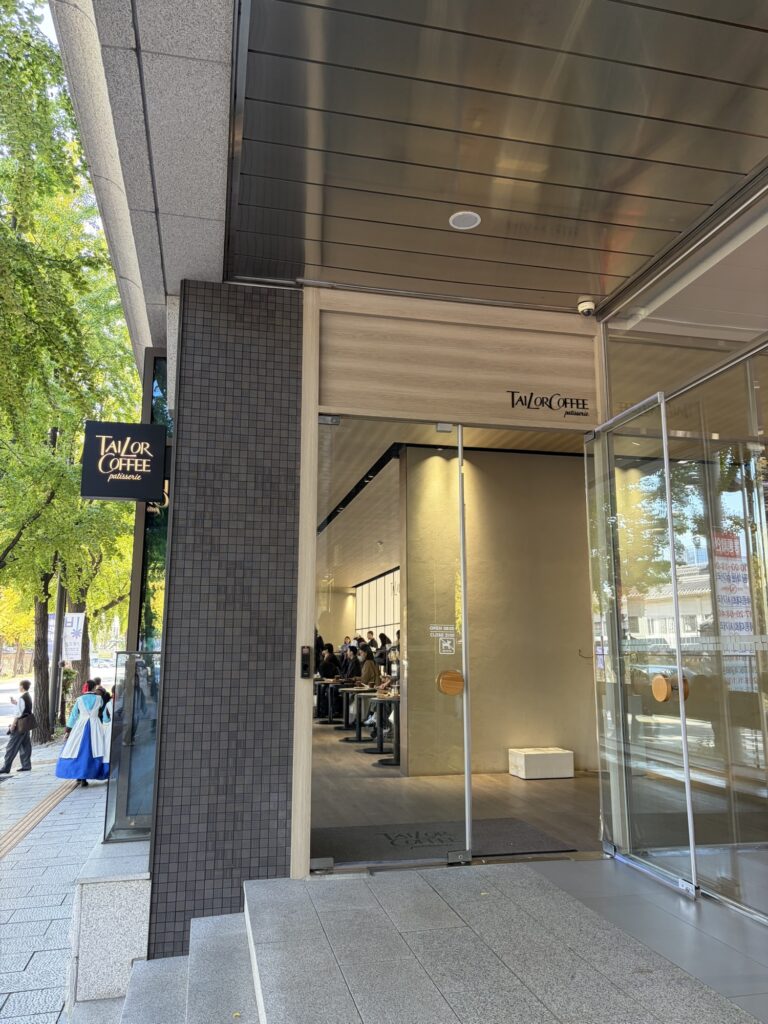
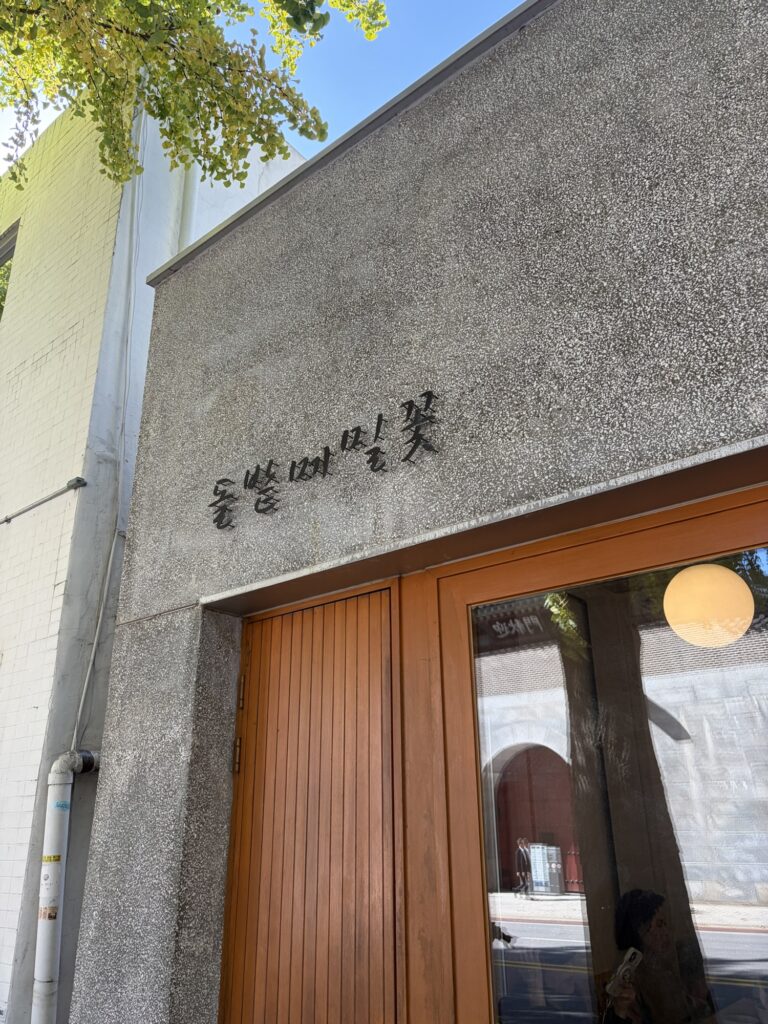
Even if you’re not going to Boan 1942, you can also see exhibitions at the nearby Daelim Museum. Nearby there are also places with delicious coffee, such as Tailor Coffee and Camel Coffee, and places where you can enjoy looking at the Gyeongbokgung wall, so they would be good to stop by after visiting Gyeongbokgung Palace.
Maybe because November is approaching, the weather in Seoul has suddenly turned chilly.
Before it gets colder,
if you want to feel the atmosphere of autumn that you can enjoy in Seoul without going far,
I recommend visiting Seochon.
Tongui-dong Boan Inn
- Address: 33 Hyoja-ro, Jongno-gu, Seoul
Boan Inn Exhibition Hall
- Hours: 12:00~18:00 (Tuesday to Sunday)
- Closed: Mondays
- Exhibitions are free
Boan Inn Café
- Hours: 8:00~19:00
- [10/24~11/22] Extended weekend hours (until 21:00)
- Menu: Coffee 5,000~8,500 won, Tea 9,000~12,000 won
Boan Stay
- Check-in / Check-out: 16:00 / 12:00
- Reservations: Airbnb
- Price: 120,000~350,000 won per night