Introduction
I first walked this route on an afternoon when I wanted to experience a different side of Euljiro beyond its popular cafés and restaurants.
What I ended up enjoying most was not a single destination, but the way the neighborhood unfolded from one stop to the next. Lunch at Andongjang, coffee at Lione or Beolsae, and a walk through Sewoon Arcade revealed different layers of the area’s history and character.
Euljiro is often described as one of Seoul’s trendiest neighborhoods today, but traces of the city’s past remain everywhere. Old restaurants continue to serve loyal customers, coffee shops occupy former commercial spaces, and the elevated walkways around Sewoon Arcade connect visitors to a part of Seoul that has changed dramatically over the decades.
This route can easily be completed in half a day, but it offers a surprisingly rich introduction to the old and new sides of central Seoul.
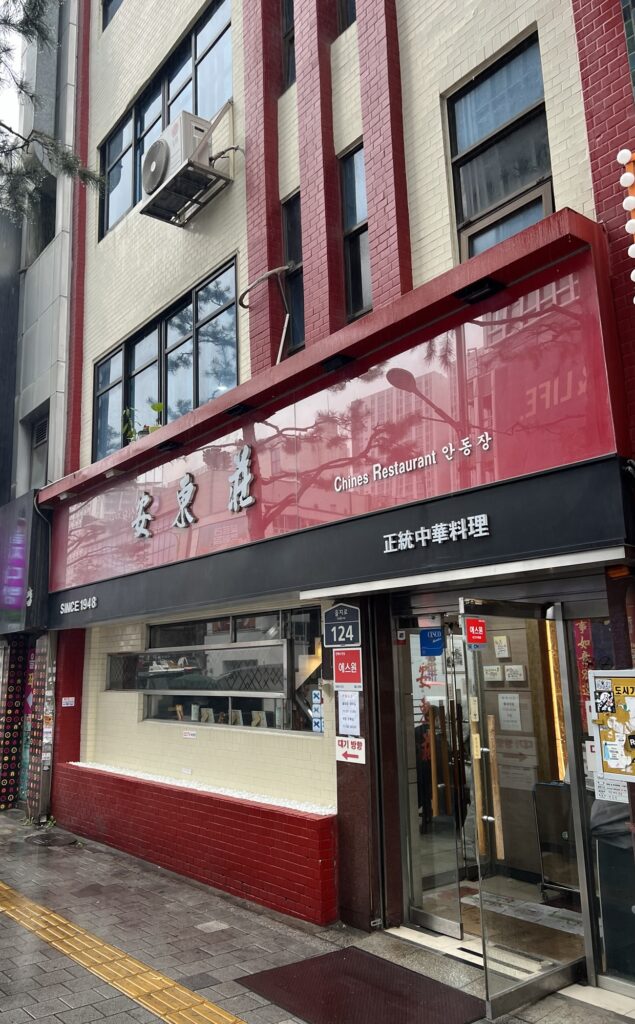
Andongjang (안동장)
A Classic Restaurant That Feels Unchanged by Time
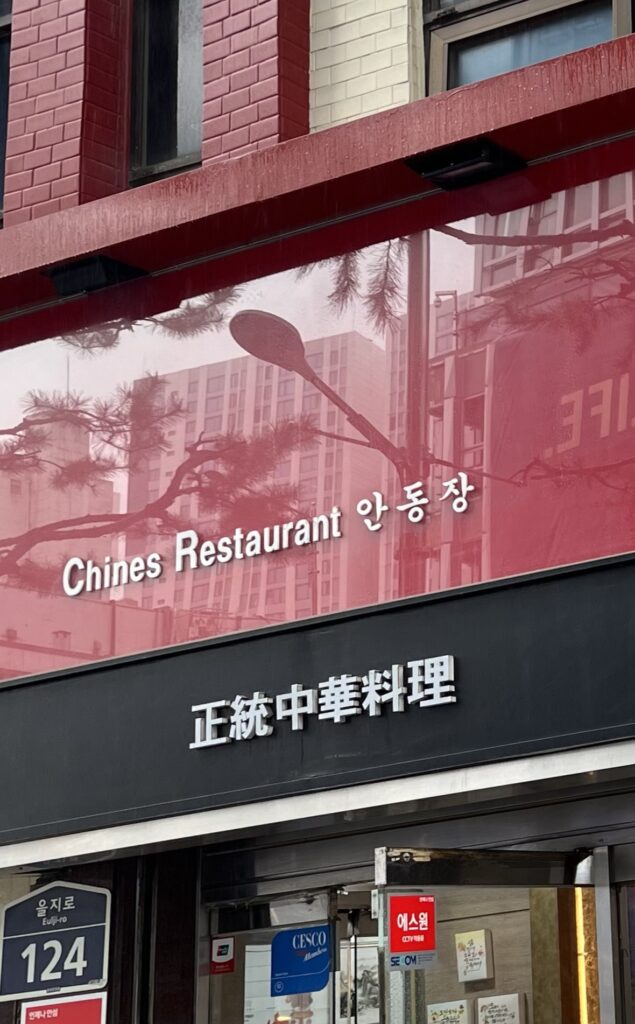
One of the first things I noticed about Andongjang was its atmosphere.
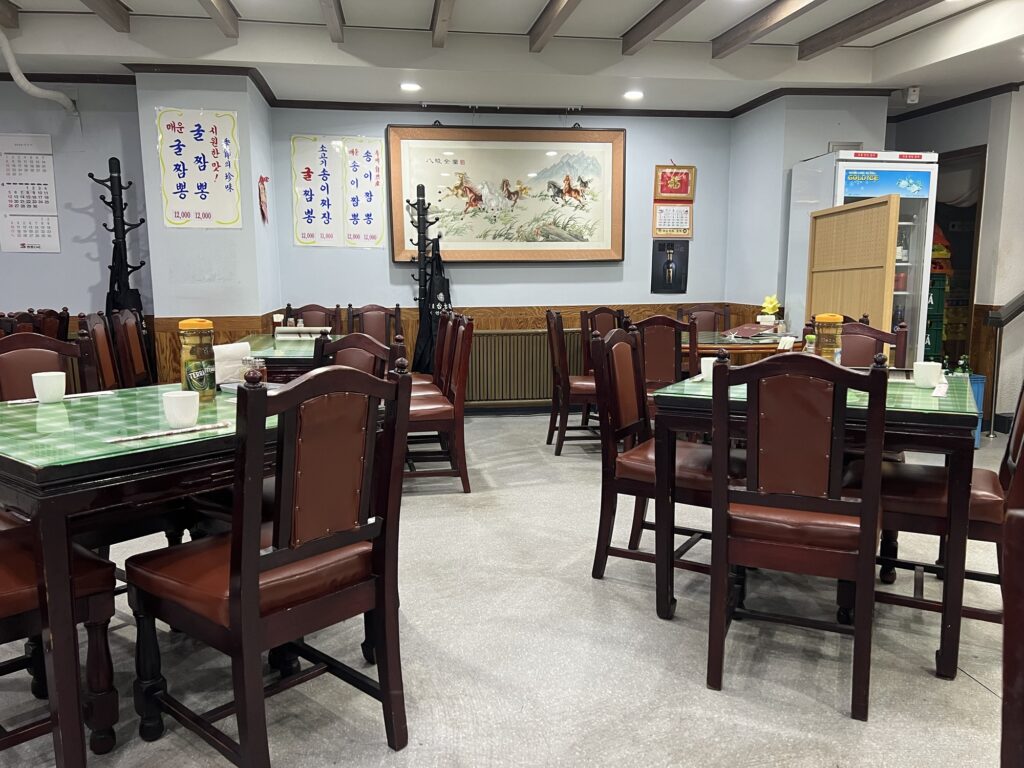
The restaurant feels old in the best possible way. It doesn’t have the polished interior or trendy design that many newer restaurants in Seoul aim for. Instead, it feels like a place that has quietly built its reputation over decades.
What stood out to me was the crowd. Most of the tables were occupied by local office workers and older regular customers, which somehow made me even more curious to try the food. It felt less like a tourist destination and more like a restaurant that people genuinely return to.
The food reflected that same feeling. The flavors were satisfying without being overly strong or heavy, making the meal comfortable to enjoy from start to finish.
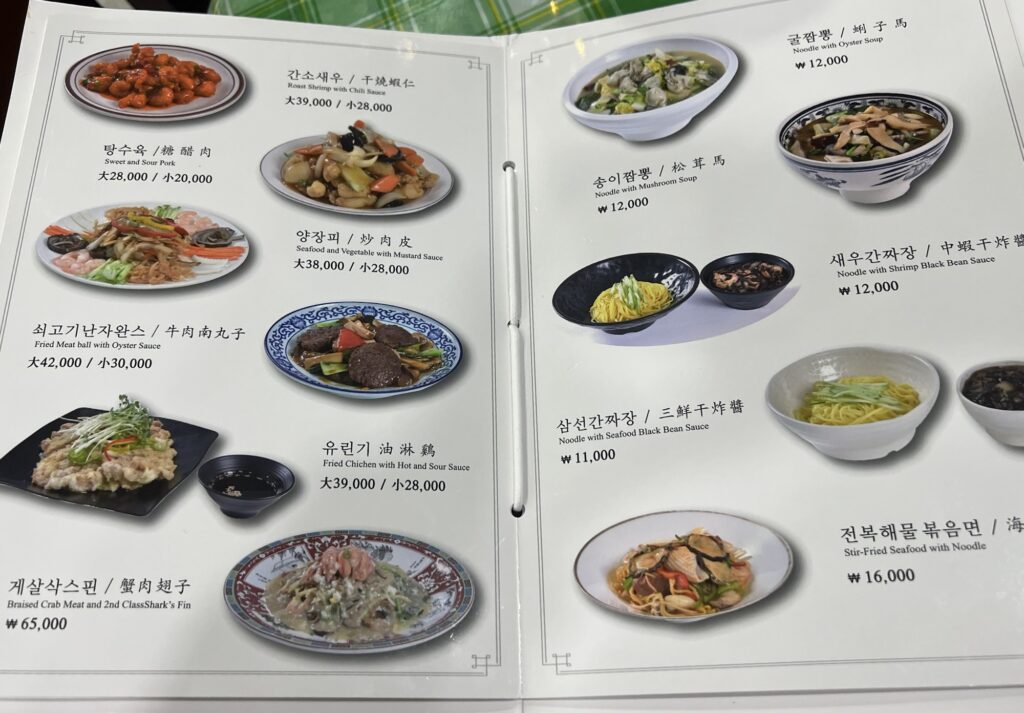
One dish that particularly impressed me was the tangsuyuk. The batter stayed remarkably crisp, and every bite had the kind of crunch that makes you keep reaching for another piece. Even after trying many Korean-Chinese restaurants in Seoul, this was one of the more memorable versions I’ve had.
Overall, Andongjang felt like a restaurant that doesn’t need to follow trends. Its long history, loyal customers, and consistently comforting food speak for themselves.
Walking in, you immediately sense that nothing here has been staged for photographs. The interior is worn in the best possible way — the kind of wear that comes from decades of loyal customers, not from an interior designer trying to simulate authenticity. The tables are simple, the service is efficient, and the atmosphere is entirely unpretentious.
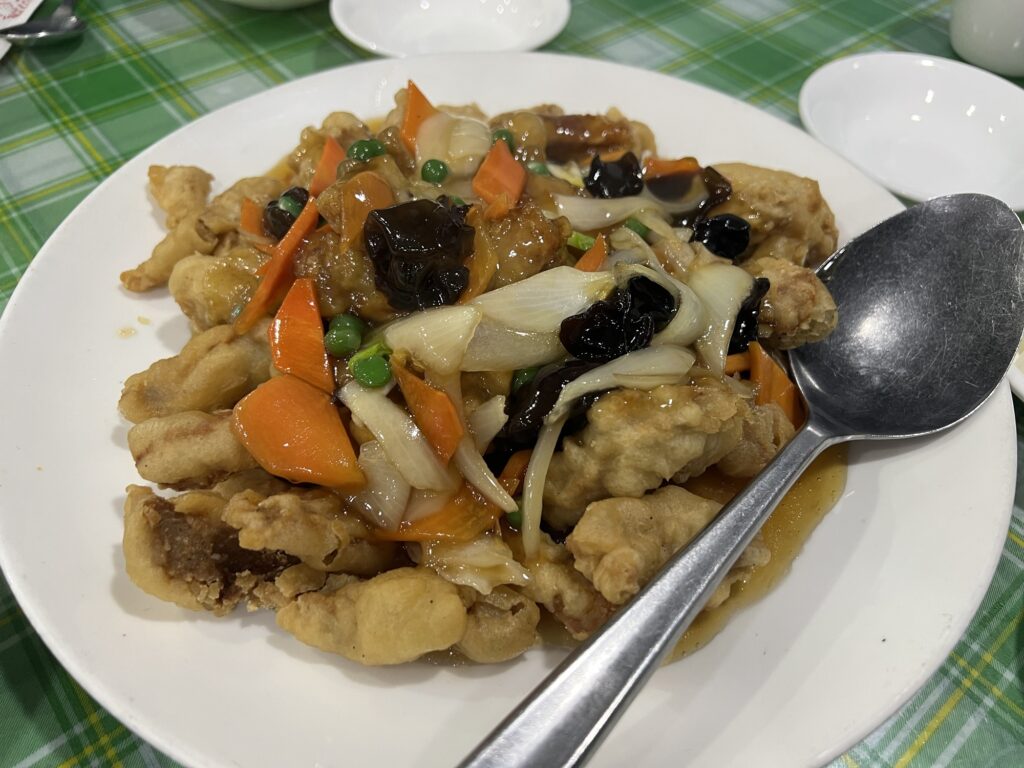
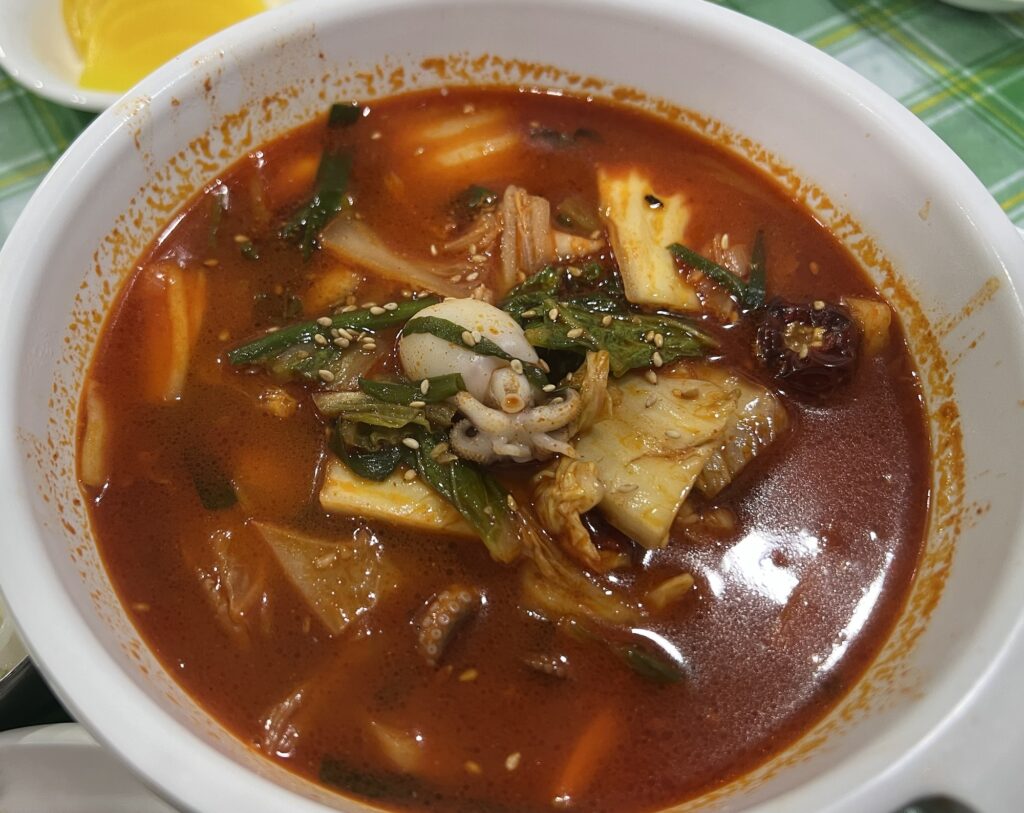
📍 Info about Andongjang
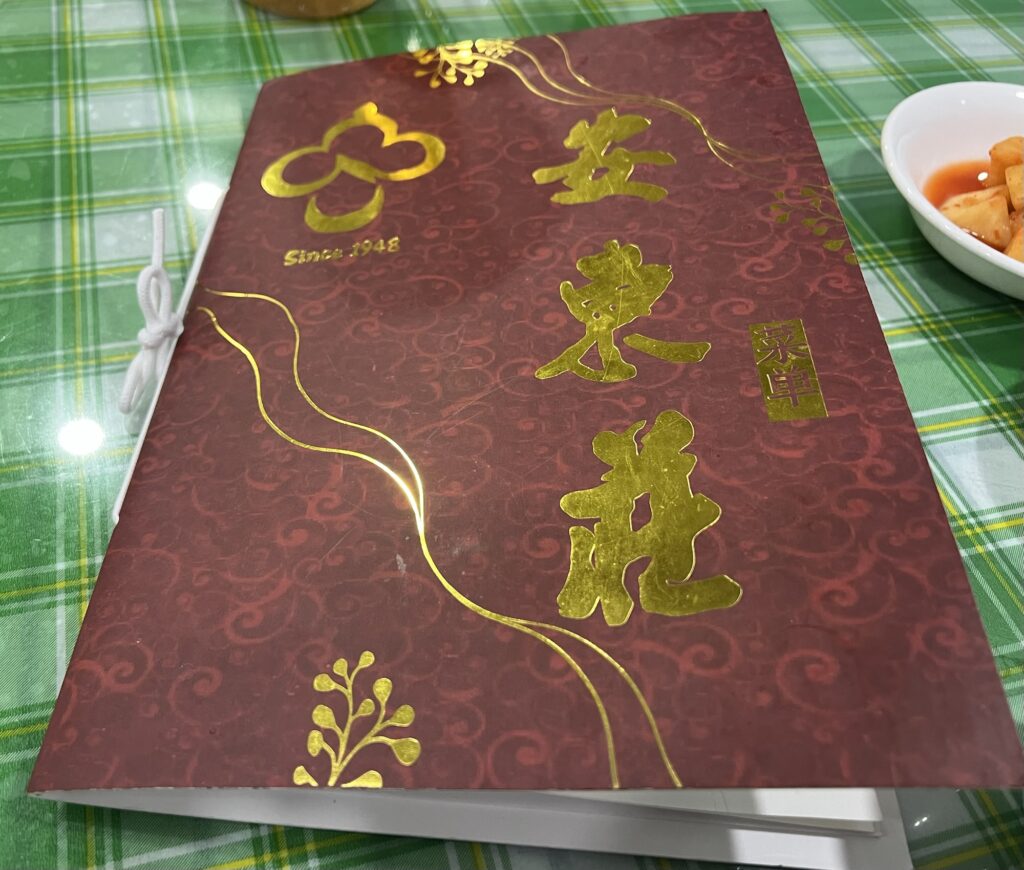
- Location: 124, Eulji-ro, Jung-gu, Seoul (Euljiro 3-ga or Euljiro 4-ga subway stations)
- Opening Hours:
- Weekday: 11:30 AM – 9:00 PM
- Weekend: 11:30 AM – 8:00 PM
- Price Range: 12,000 – 40,000 KRW (per person)
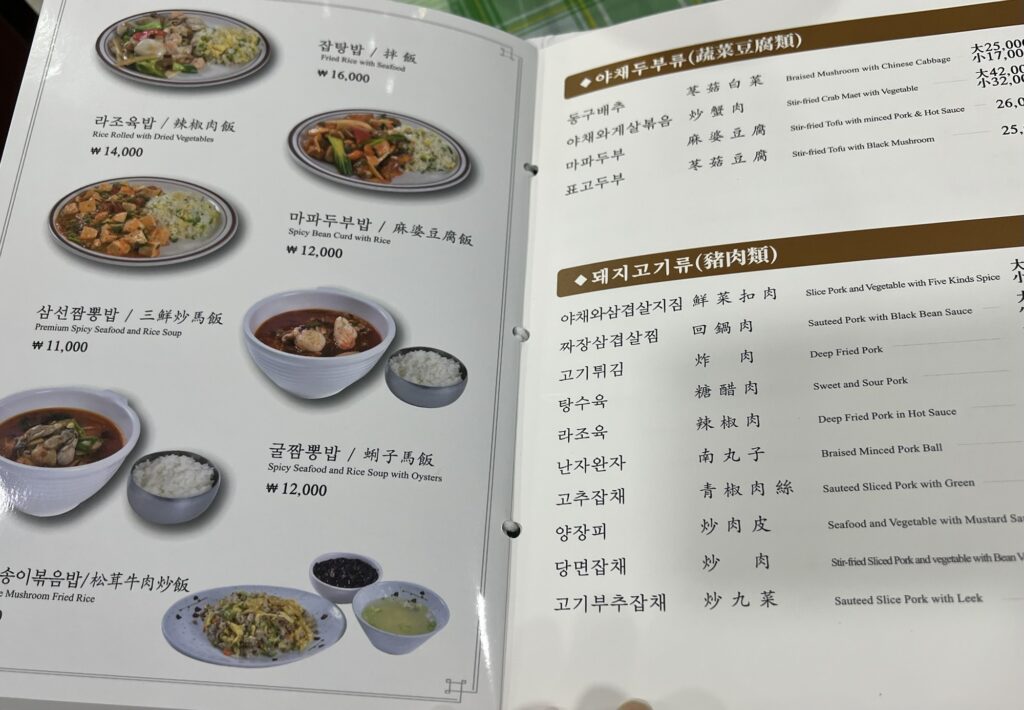
- Signature Menu: Oyster Jjamppong, Tangsuyuk
- Wait Time: 10–20 minutes (peak hours)
Lione Coffee: A Vintage Espresso Bar in Euljiro
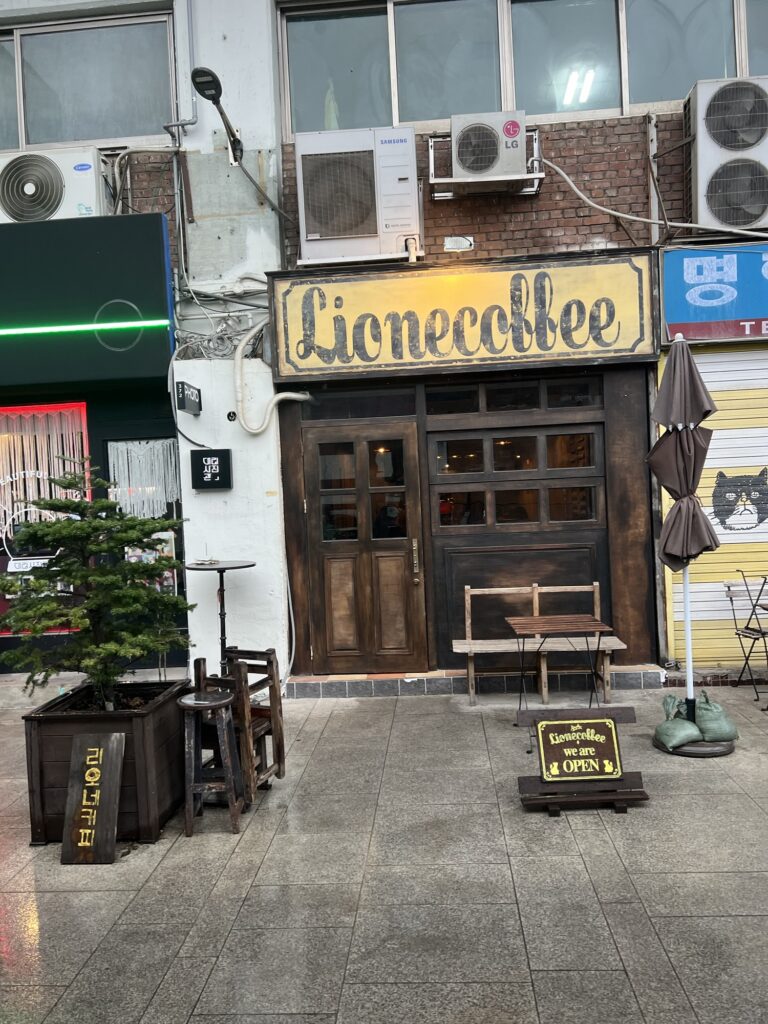
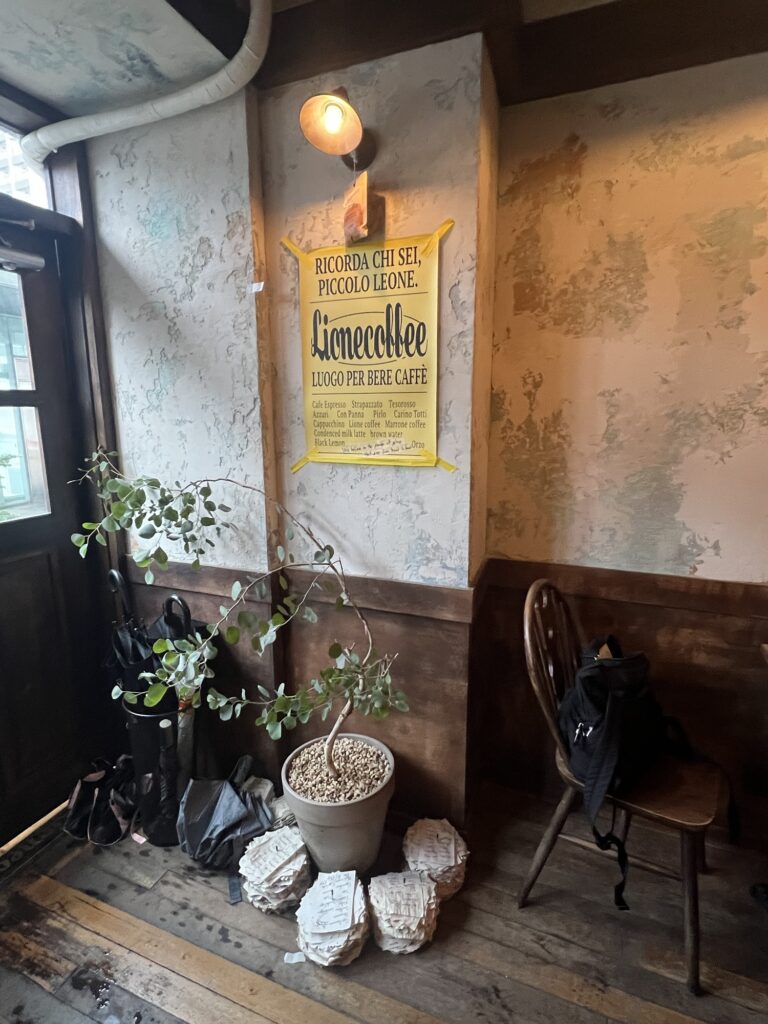
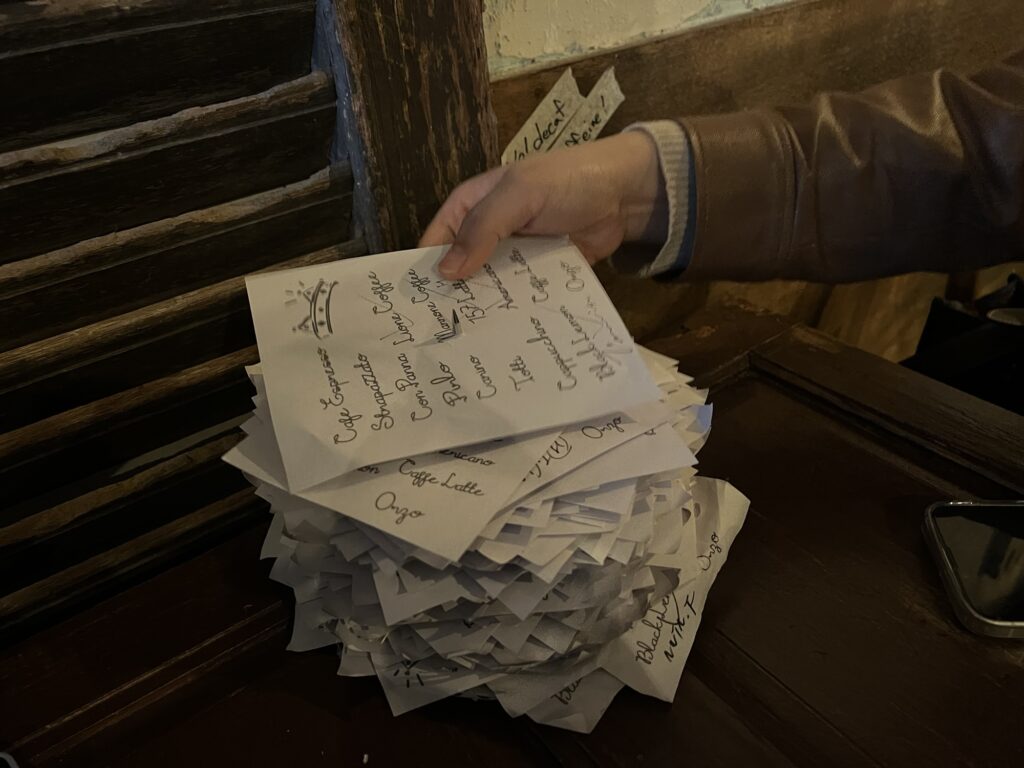
After lunch at Andongjang, I walked over to Lione Coffee, an Italian-style espresso bar tucked inside one of Euljiro’s old electronics buildings.
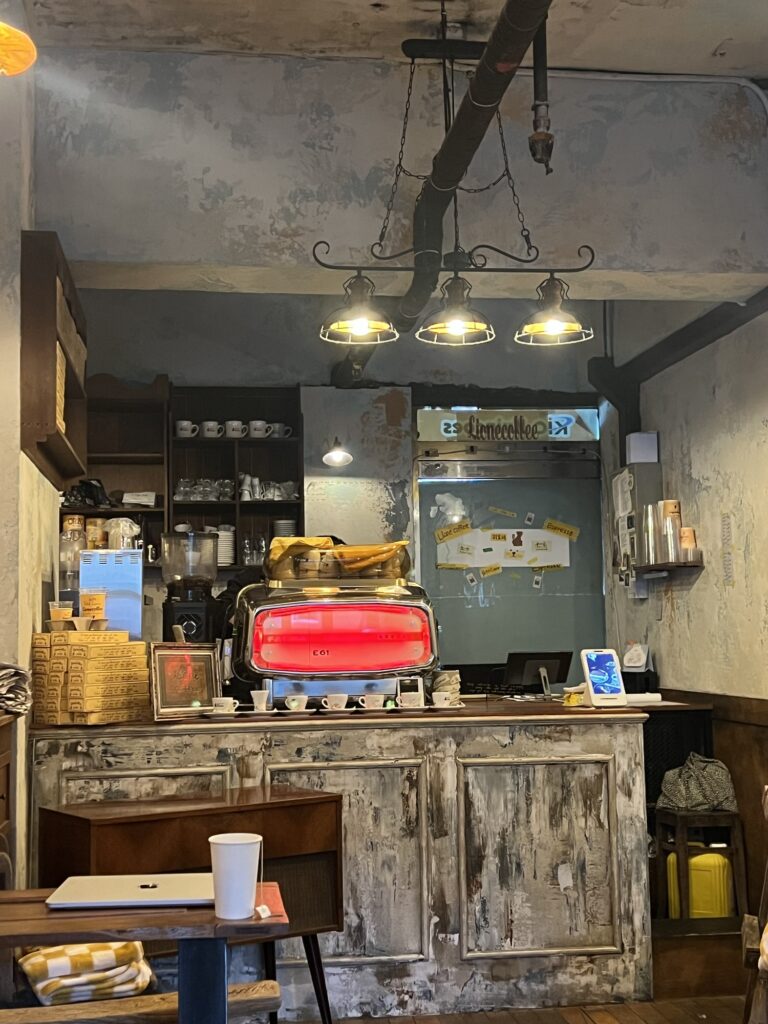
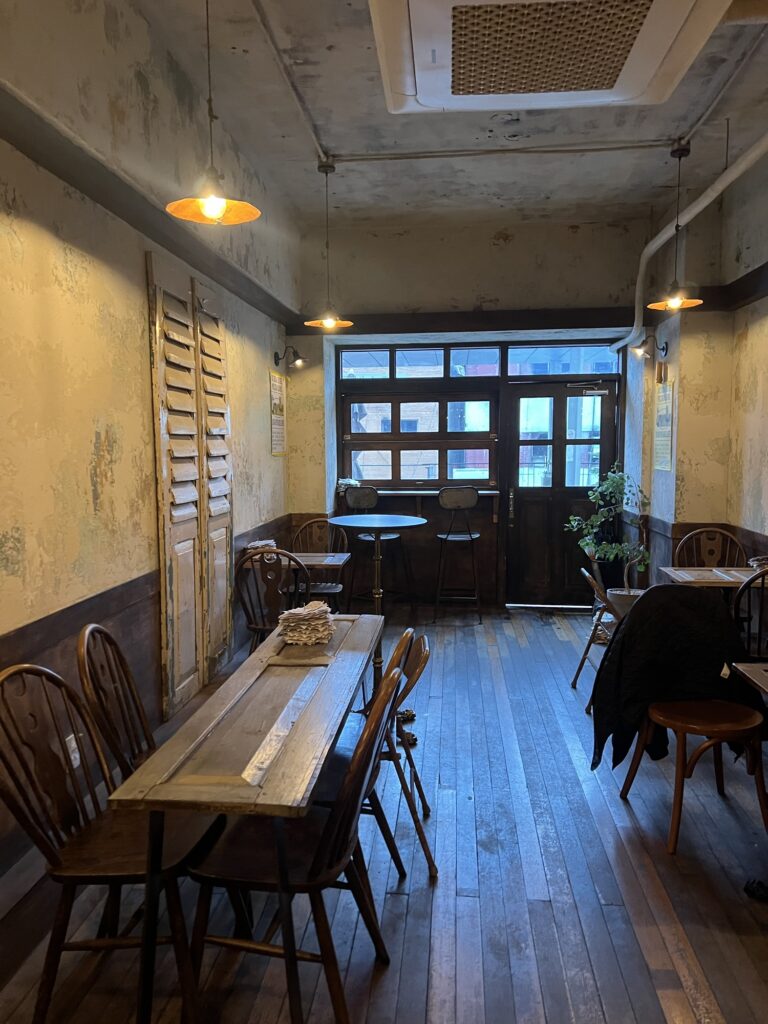
What surprised me first was the size of the space. From the outside, I expected a small neighborhood café, but the interior was much larger than it looked and felt comfortable enough to sit and talk for a while without feeling rushed.
The atmosphere leaned heavily toward vintage rather than modern. Antique furniture, warm lighting, and carefully chosen décor gave the café a sense of character that felt very much in line with Euljiro itself. It wasn’t polished or trendy, but that was exactly what made it appealing.
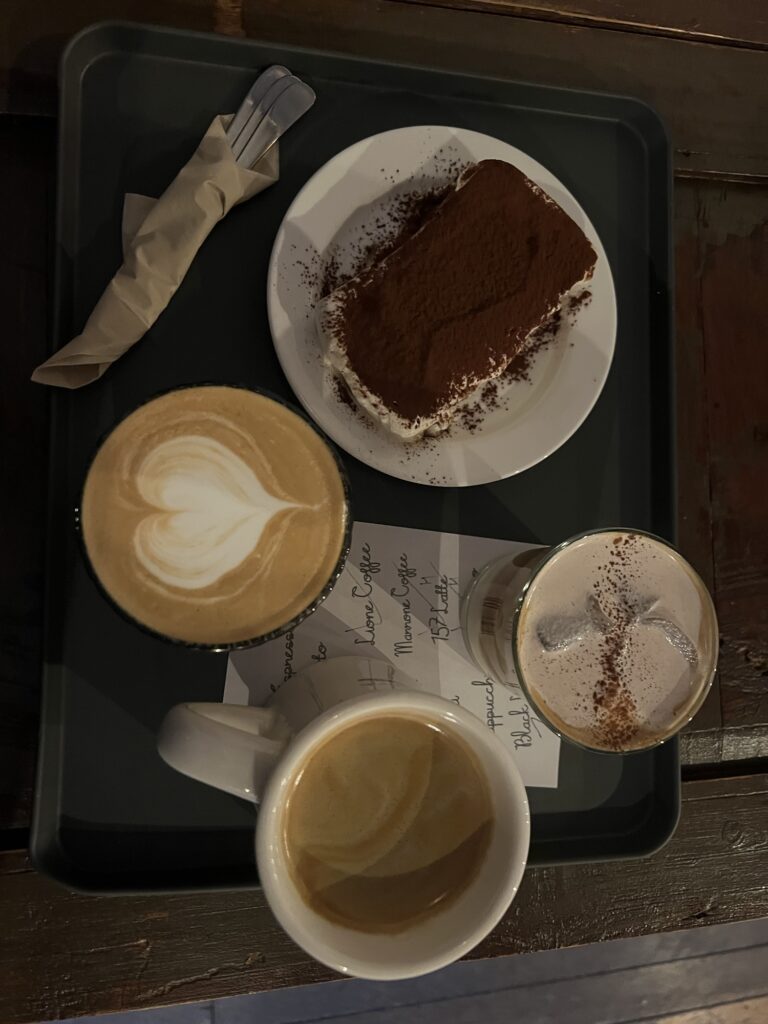
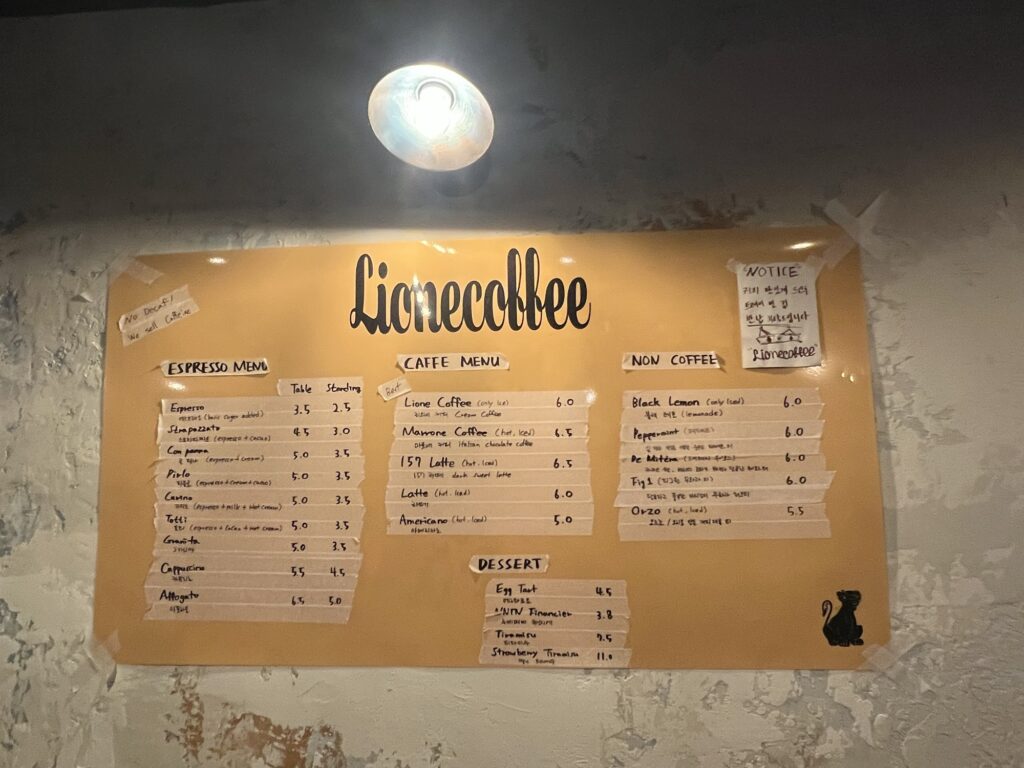
I ordered a tiramisu and a coffee, which turned out to be the perfect way to end the meal. The tiramisu was sweet without being overwhelming, and the coffee tasted clean and balanced.
What made the stop particularly enjoyable was how well it followed lunch at Andongjang. After eating crispy tangsuyuk and other Korean-Chinese dishes, the coffee felt especially refreshing.
In Korea, many people have a habit of ending a Chinese restaurant meal with an americano, almost as a way of clearing away the richness of the food. Whether it actually works or not, it has become a familiar routine for many of us. Lione Coffee felt like the perfect place for that tradition.
Looking back, what I enjoyed most wasn’t just the coffee itself, but the contrast between the two places. The old-school atmosphere of Andongjang and the vintage calm of Lione Coffee created a route that felt naturally connected to the character of Euljiro.
📍 Info about Lione coffee
- Address: 157, Eulji-ro, Jung-gu, Seoul, Republic of Korea
(서울 중구 을지로 157) - Opening Hours: 11:00 AM – 7:00 PM
- Price Range: 2,500 – 6,500 KRW
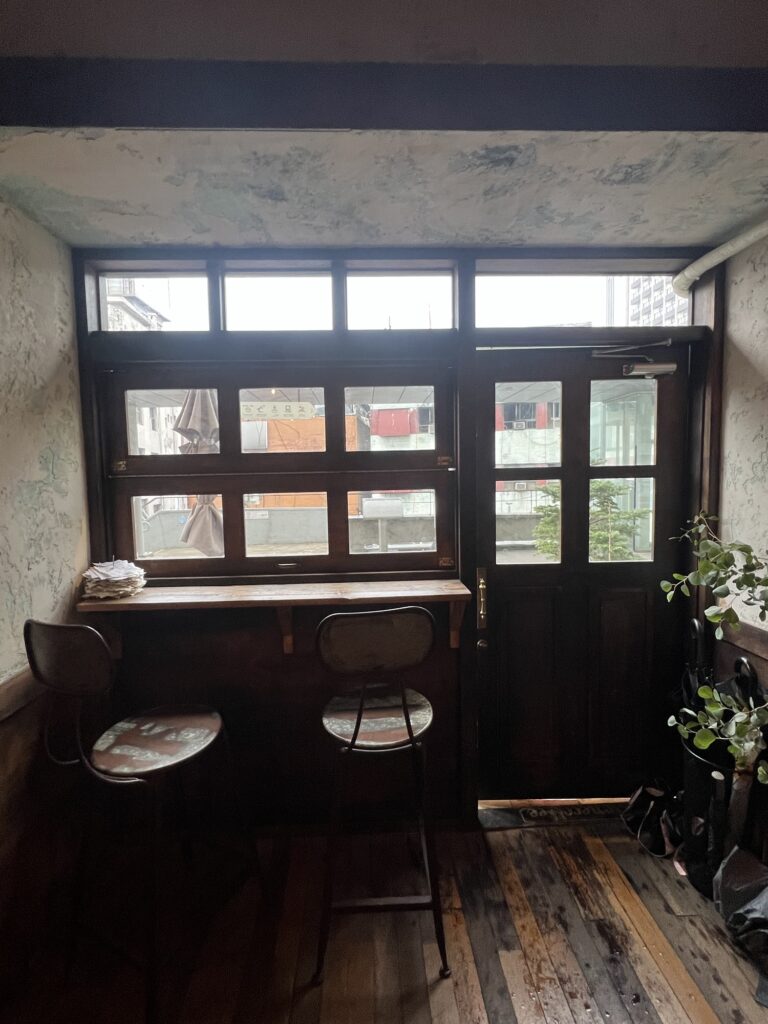
Beolsae Gongjungbohaeng-ro: A Quiet Coffee Retreat in Euljiro
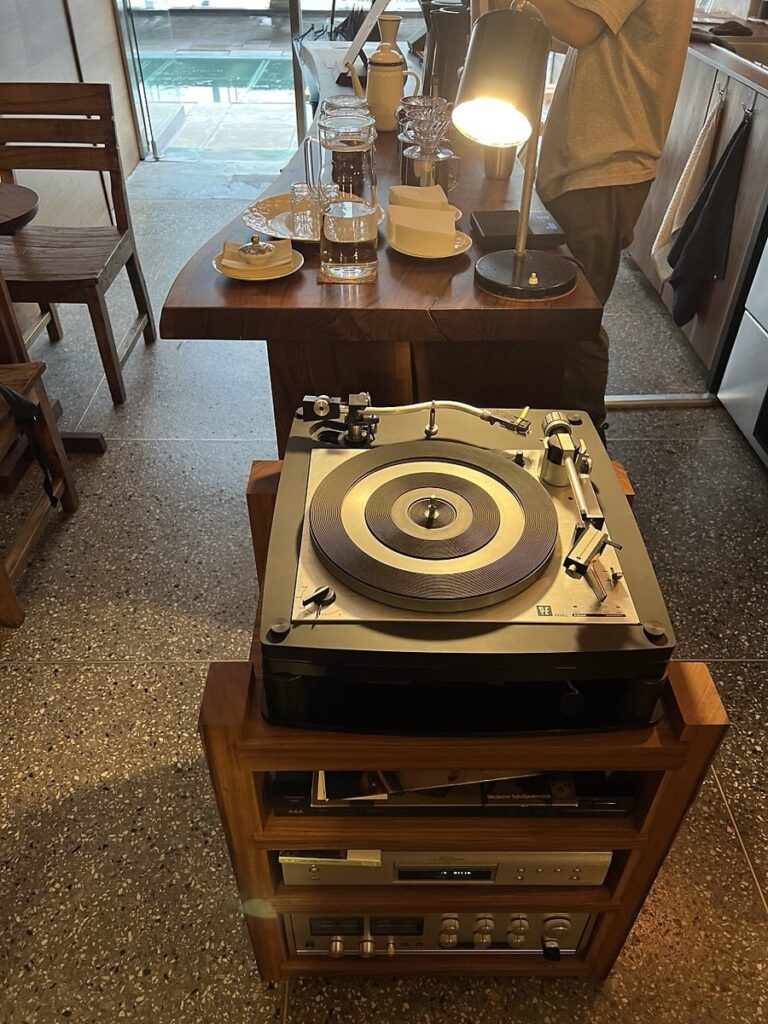
Located in Euljiro, Beolsae Gongjungbohaeng-ro is the second branch of Bulsae, a well-regarded filter coffee café that first opened in Gwanghwamun.
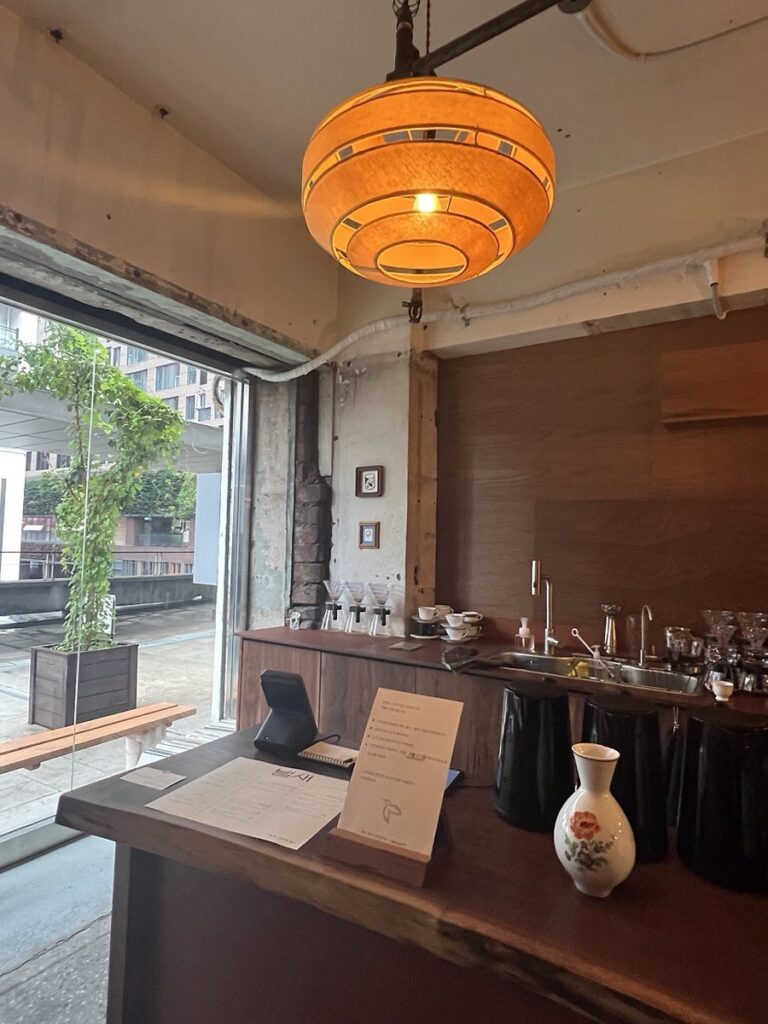
While Euljiro is often associated with busy alleys, old workshops, and lively cafés, Beolsae offers a noticeably different atmosphere. The space feels calm, understated, and almost detached from the noise of the surrounding neighborhood.
When I visited, what stood out most was how quiet the café felt. Rather than people chatting loudly or working on laptops, many visitors seemed content to sit with a cup of coffee and listen to music. The café has an impressive collection of vinyl records, and the music feels like an important part of the experience rather than simple background sound.
This is the kind of place that appeals to people who genuinely enjoy filter coffee. If you’re the type of traveler who prefers carefully brewed coffee over elaborate desserts, Beolsae is likely to be a good match. I rarely order desserts myself, and I appreciated that the focus here remained firmly on the coffee.
The atmosphere also encourages a slower pace. It isn’t particularly suited to group gatherings or long conversations. Instead, it works best as a place to spend a quiet hour alone, reflect on the day, or take a break while exploring central Seoul.
What I liked most was how naturally the café blended into Euljiro’s retro character. The vintage mood never felt forced or overly designed. Combined with the music, coffee, and relaxed pace, it created one of the more memorable café experiences I’ve had in the area.
For anyone looking to experience a quieter side of Euljiro, Beolsae Gongjungbohaeng-ro is a place worth lingering in.
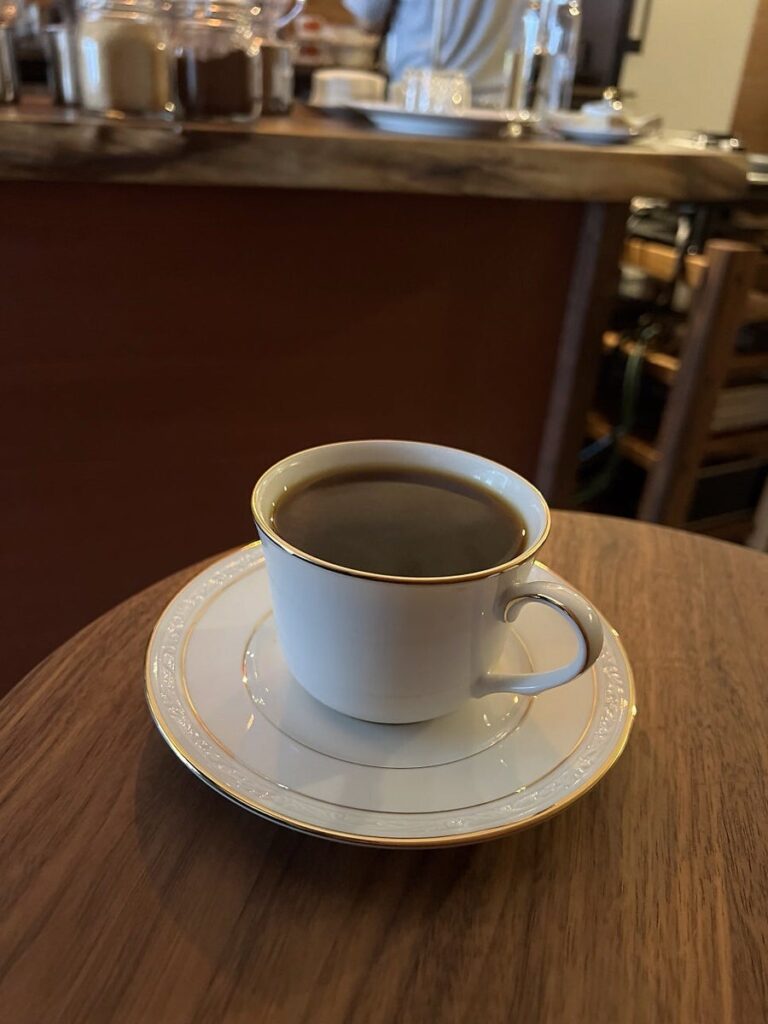
📍 Info about Beolsae coffee
- Address: 157, Eulji-ro, Jung-gu, Seoul, Republic of Korea
(서울 중구 을지로 157) - Opening hours: 11:30 am ~ 6:30 pm (Closed on Sunday, Monday)
- Price range: 6,500 ~ 11,000 won
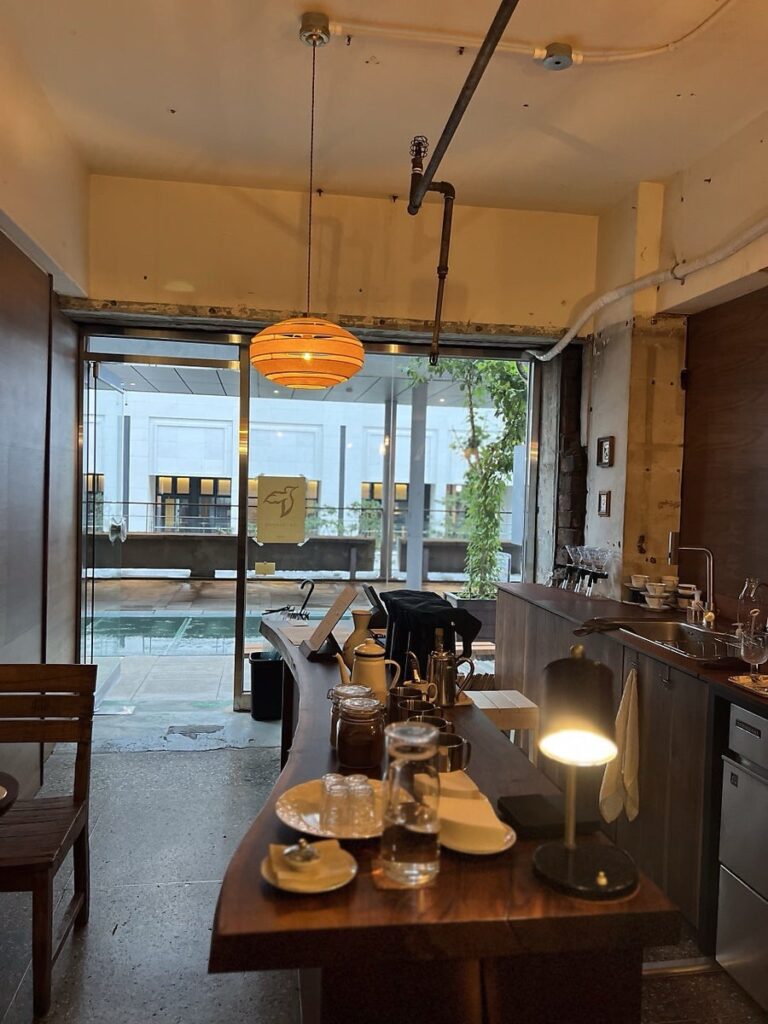
Exploring the Area Around Beolsae: The Story of Sewoon and Daelim Arcade
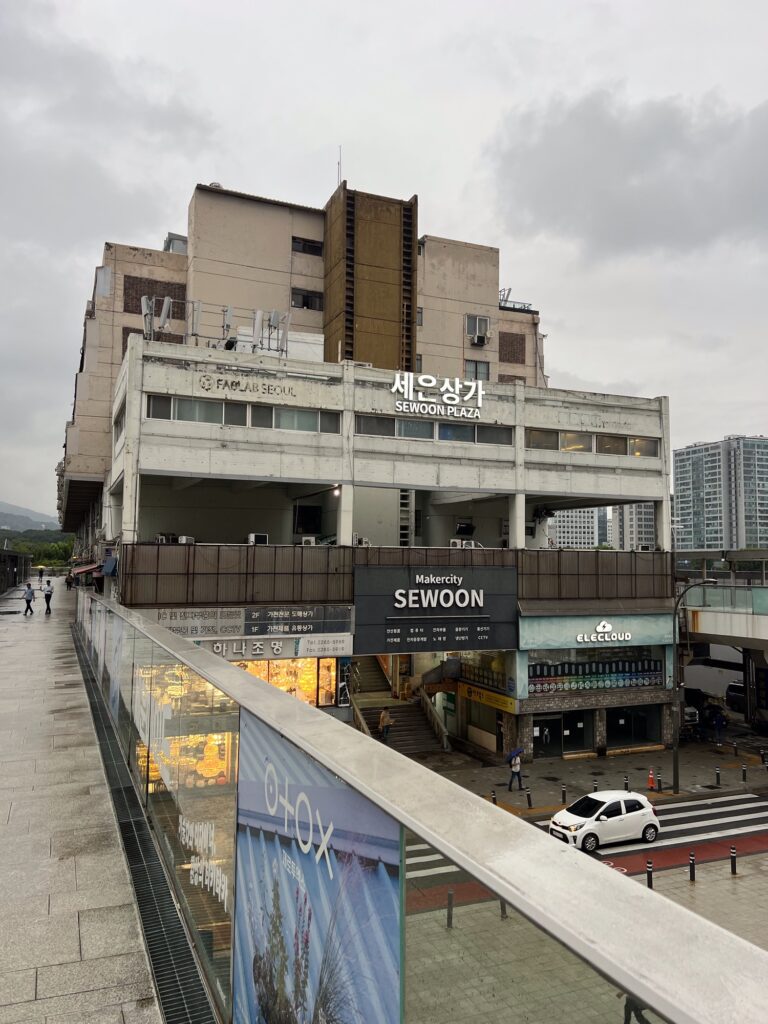
One reason I enjoy visiting Bulsae is that the café sits within one of Seoul’s most fascinating urban landscapes.
Just outside the café, visitors can walk along the elevated pedestrian pathway that connects Sewoon Arcade and Daelim Arcade. Today, the walkway offers views of old rooftops, workshops, and newly opened cafés, but the area carries a much deeper history.
Sewoon Arcade was originally designed by Kim Swoo-geun, one of Korea’s most influential modern architects, and is often recognized as Korea’s first mixed-use megastructure combining residential and commercial spaces. Daelim Arcade was built as part of the same Sewoon complex and later became one of the country’s most important centers for electronics and technology-related businesses.
The neighborhood has gone through several transformations over the decades. During its peak years in the 1970s, the area represented Korea’s rapid modernization. In the 1980s and 1990s, it became known for various niche markets and media shops that reflected a very different side of urban culture.
As Seoul continued to change, debates about preserving or redeveloping the Sewoon district continued for years. Eventually, restoration projects brought new life to the area, and the elevated pedestrian walkway was reopened, allowing visitors to experience the neighborhood from a unique perspective.
Today, Sewoon and Daelim Arcade feel like places where different eras of Seoul coexist. Young visitors come for the cafés, vinyl shops, and retro atmosphere, while traces of the district’s industrial and technological past remain visible throughout the buildings.
For me, understanding this history makes a visit to Bulsae even more enjoyable. It’s not just a coffee stop—it is also an opportunity to experience a part of Seoul where the city’s past and present meet in the same space.