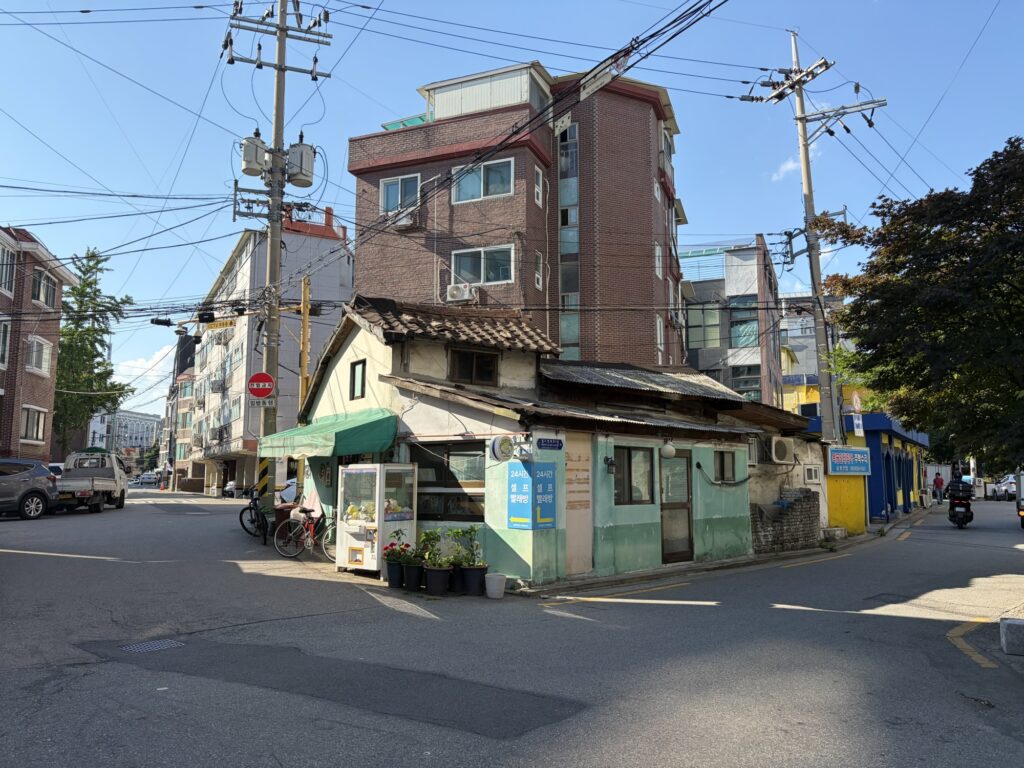
Yeonnam-dong sits just west of Hongdae, and while it shares a subway station with one of Seoul’s busiest nightlife districts, the neighborhood itself operates at an entirely different pace. The streets here are narrower and quieter, lined with independent cafés, small restaurants, and the kind of low-key local energy that tends to disappear quickly when a neighborhood becomes too well-known. Yeonnam-dong has managed, so far, to retain its character — and the two stops on this course represent it well.
This is a morning-into-lunch route: specialty filter coffee at one of Yeonnam’s most respected roasteries, followed by a meal at a legendary Korean diner that has been feeding the neighborhood — and the city — for decades. The two stops could not be more different in atmosphere, which is part of why the combination works.
Route: Always August Roasters → Gamnamujip Gisa-sikdang
Walking Time: 5–15 minutes between stops
Best Time: Start around 10 AM; arrive at Gamnamujip before the lunch rush
Total Budget: 17,000 – 30,000 KRW per person
Why This Course Works
The sequencing here follows a logic that feels natural once you experience it. Always August Roasters is a light, contemplative start — good filter coffee in a calm interior, the kind of morning that sets a relaxed pace for the rest of the day. Gamnamujip is the opposite: loud with the energy of a busy Korean diner, generous in its portions, and grounding in the way that a proper traditional meal always is.
Moving from one to the other is the contrast that makes both stops more memorable. The coffee sharpens the appetite. The meal satisfies it completely. And between the two, you have walked through one of Seoul’s most pleasant neighborhood streets.
☕ Stop 1: Always August Roasters (올웨이즈 어거스트) — Filter Coffee in Yeonnam-dong
The Name and What It Means
Always August Roasters carries a name that functions as a promise: the warmth of August, sustained regardless of season. It is the kind of name that could be precious if the café did not deliver on it — but the moment you step inside, the warmth the name implies is genuinely present. Not in a sentimental or designed way, but in the way that spaces feel warm when the people running them actually care about what they do.
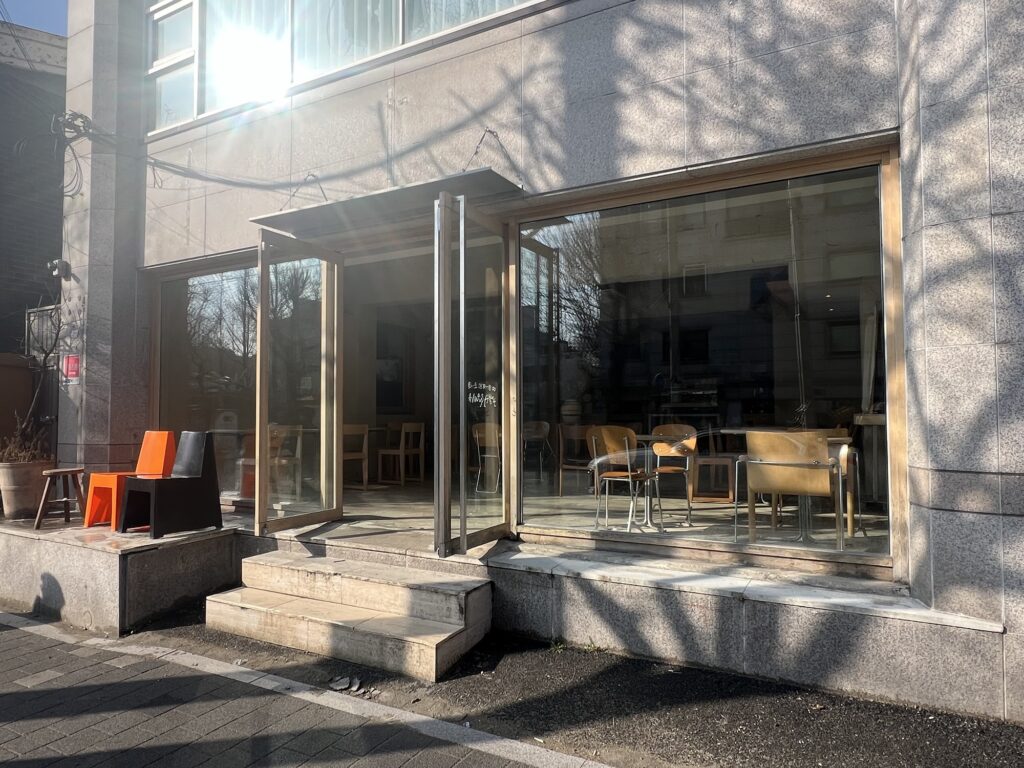
The café is located in Yeonnam-dong, close enough to Hongdae to benefit from foot traffic, far enough from its center to attract the kind of visitor who is specifically looking for a quality coffee experience rather than convenience. It belongs to the Yeonnam café culture that values craft over spectacle.

The Space

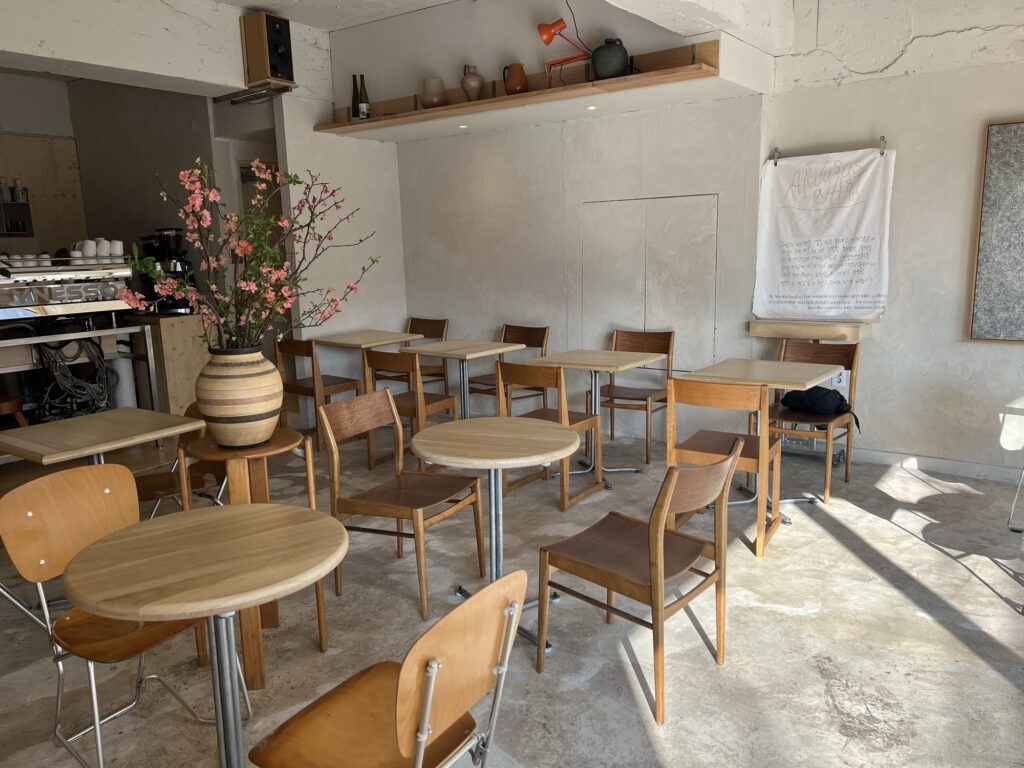
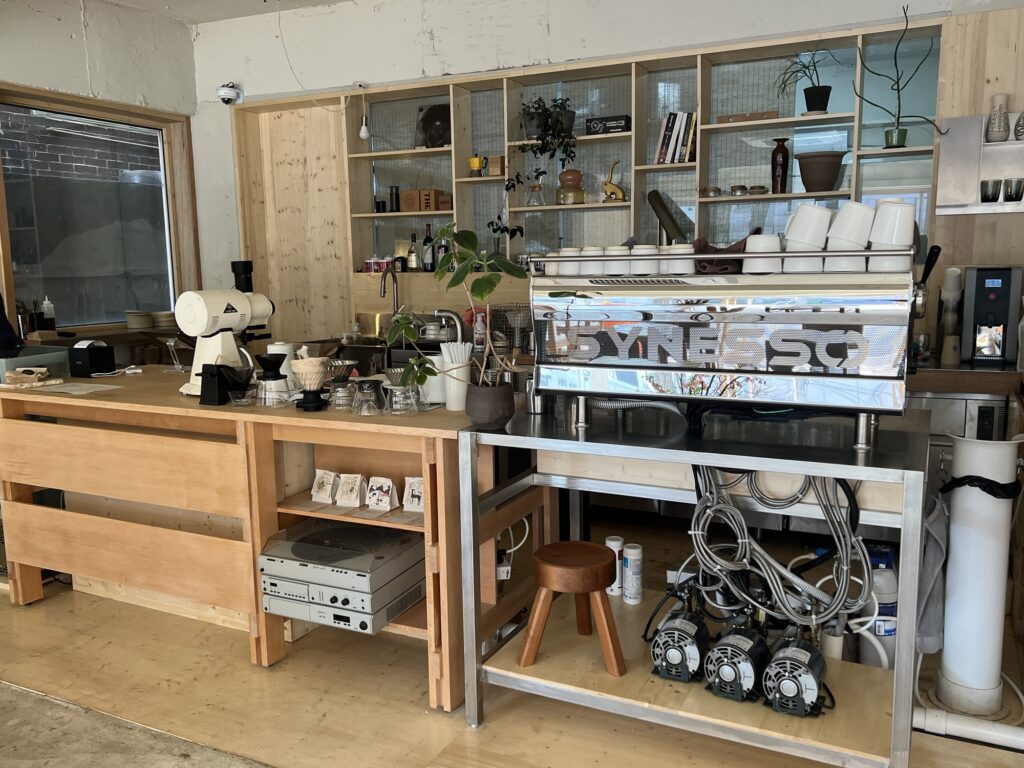
The interior at Always August Roasters is organized around restraint. Natural materials — wood, stone, ceramics — occupy the space without competing with each other. The furniture is simple and well-proportioned. Light enters through large glass windows that face the street, creating the kind of soft, diffuse illumination that makes a room feel inhabited rather than staged.
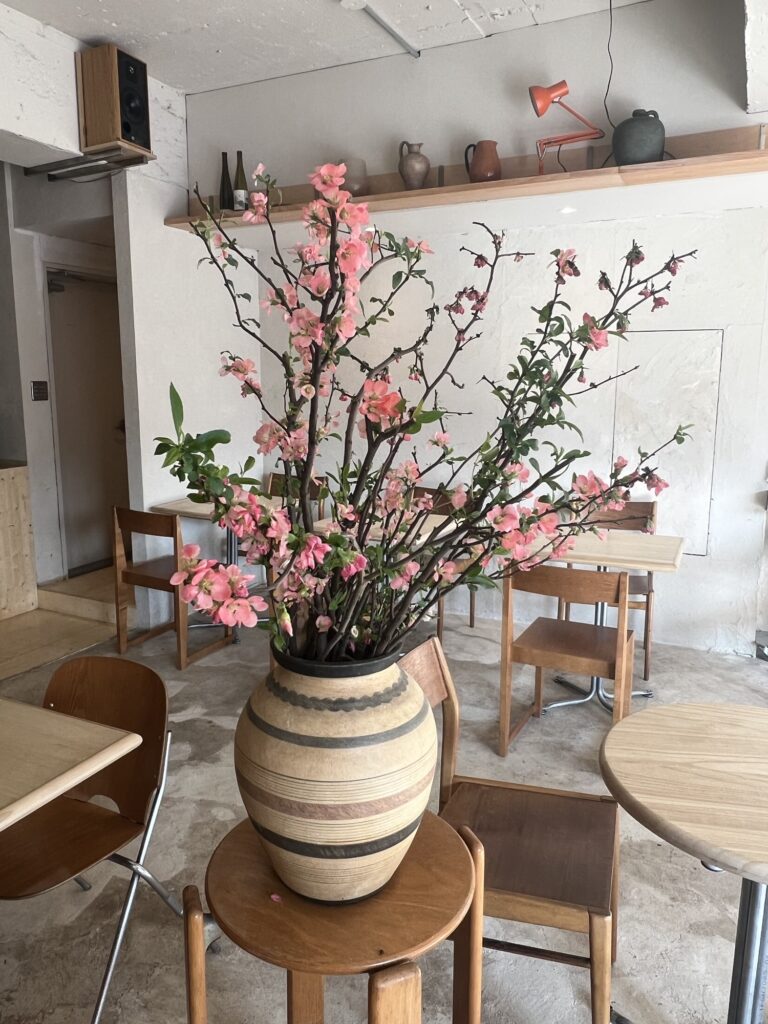
A large pottery vase holding seasonal flowers or branches typically anchors one part of the room — a detail that changes with the seasons and signals that the space is actively tended rather than fixed in a single design moment. The overall effect is what might be called rustic elegance: rough textures alongside precise placement, natural materials handled with real care.
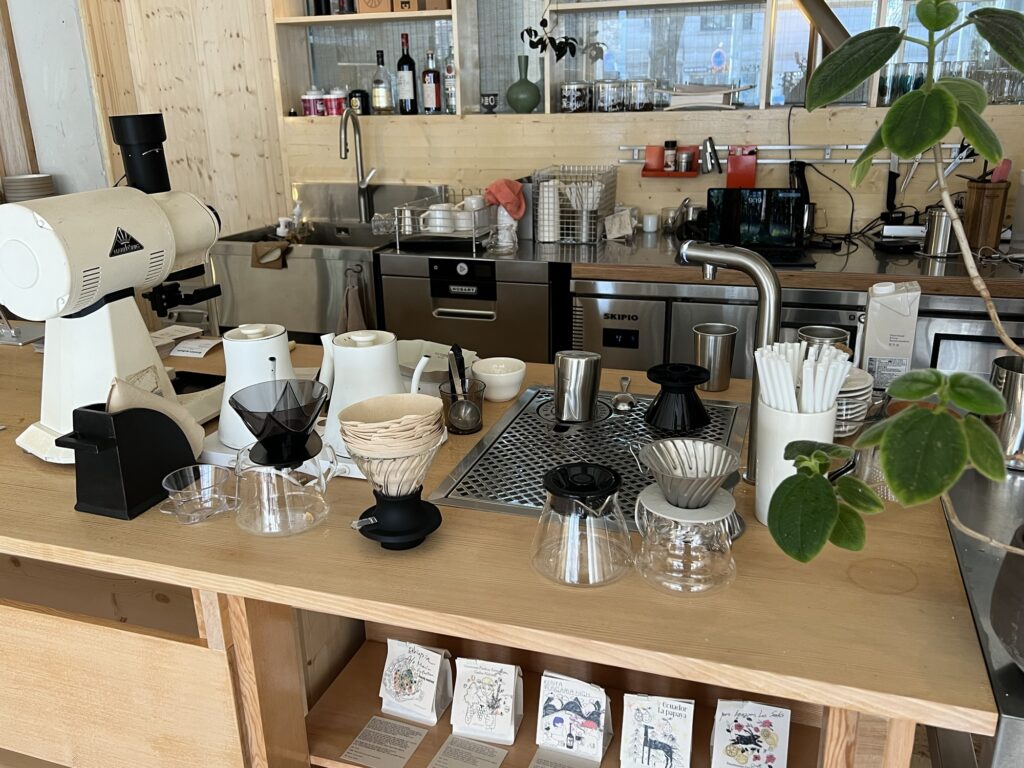
The café is the kind of space that rewards sitting still. There is enough to look at — the ceramics, the light through the windows, the small details of the bar setup — without anything demanding attention. It is a good room for slow mornings.


The Coffee
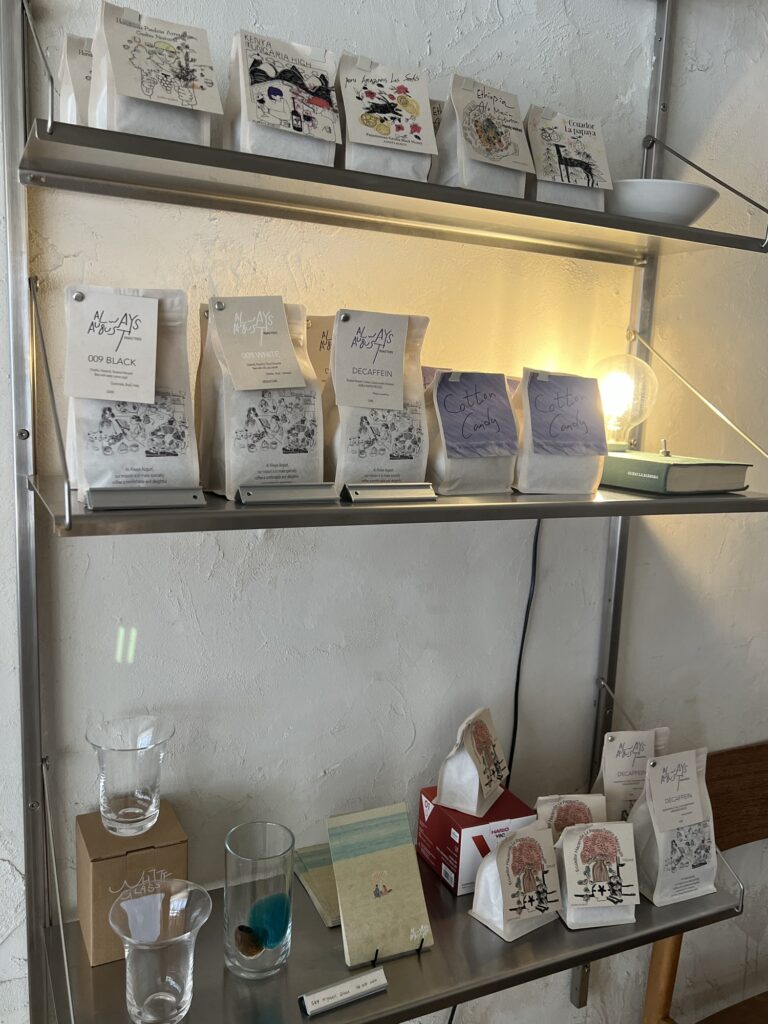
Always August Roasters takes its coffee seriously in the way that roasteries do when the coffee is the actual focus rather than a vehicle for something else. As a roastery, they source, roast, and serve their own beans, which means the quality at the cup level is directly tied to decisions made at every stage before it arrives in front of you.
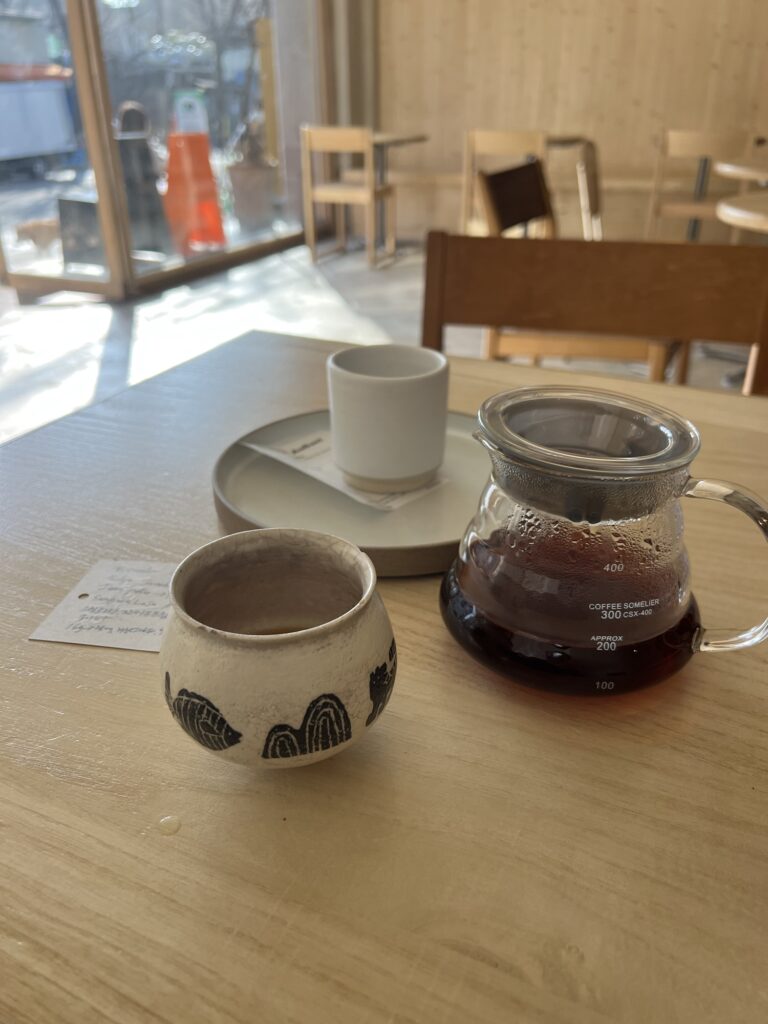
The hand-drip program is the heart of the operation. Single-origin selections are chosen and rotated based on sourcing, and each cup is prepared with the kind of precision that highlights the individual character of the beans — the floral notes of certain Ethiopian coffees, the stone-fruit brightness of Kenyan beans, the chocolatey depth of well-roasted Colombian varieties. The coffee here rewards attention in the same way that the space does.
For those who prefer espresso-based drinks, the latte is smooth and well-balanced — a reliable option that does not ask anything of you. But if you are visiting Always August Roasters for the first time and want to understand what the café does best, hand-drip is the answer.

What to order:
∙ Hand-drip coffee (single-origin): Ask what is currently available and freshest; this is where the roastery’s work is most visible
∙ Cafe Latte: Smooth, balanced, good for those who prefer milk-based drinks


Info about Always august yunman
Address:71, Yeonnam-ro, Mapo-gu, Seoul, Republic of Korea
opening hours 8:30am-6pm (tue - sat),closed on Sunday, Monday
Price range: 5,000won-15,000won
Practical Notes
∙ Best time: Morning, before the neighborhood gets busy; the café is at its most peaceful between 9 and 11 AM
∙ Best for: Filter coffee enthusiasts, solo mornings, anyone who wants a quiet and considered start to the day


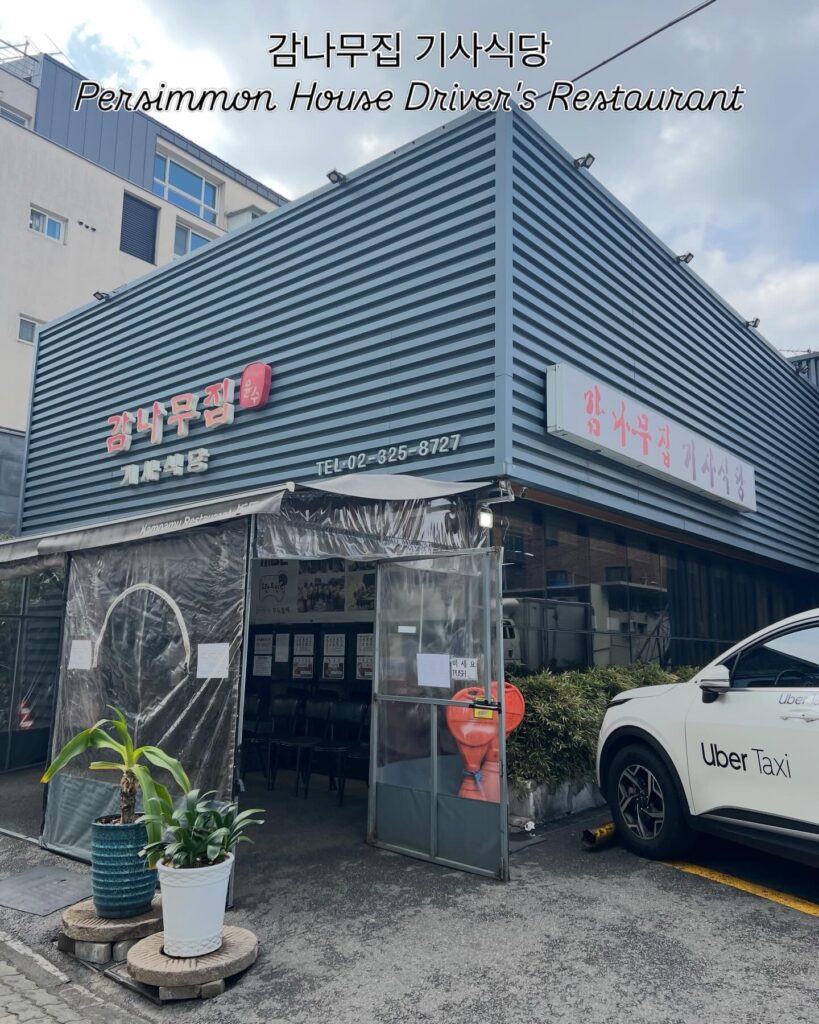
Restaurant Stop 2: Gamnamujip Gisa-sikdang (감나무집 기사식당) — Seoul’s Legendary Pork Bulgogi Diner
What Makes This Place Different
Gisa-sikdang (기사식당) is a specific category of Korean restaurant that translates roughly as “driver’s diner” — canteen-style eateries that originally served taxi and truck drivers, and which developed a reputation for large portions, low prices, and the kind of honest, unpretentious cooking that professionals eating multiple times a day actually want to sustain them. They are not glamorous. They are not trying to be. They are trying to feed people well at a fair price, and the best of them have been doing it for so long that the food has become genuinely excellent through sheer repetition and accumulated refinement.
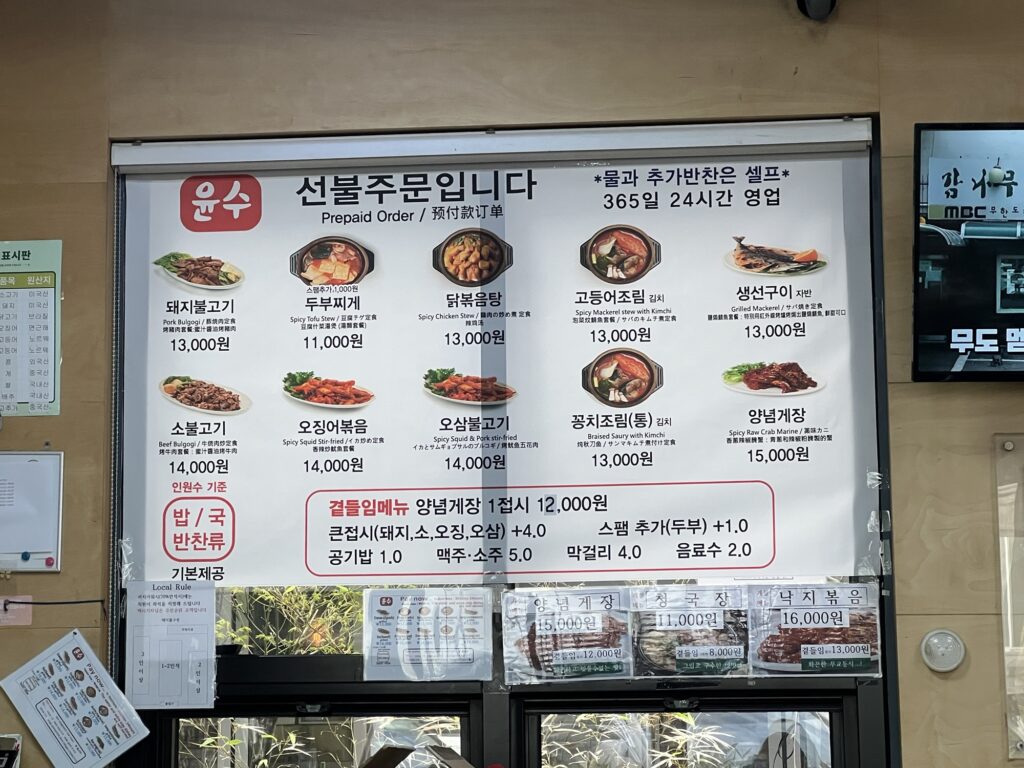
Gamnamujip is one of the best of them. It has been a fixture in the Yeonnam-dong and Hongdae area for decades, building a loyal following among locals who return regularly and travelers who seek it out specifically. Its reputation extended far enough that it was featured on Infinite Challenge (무한도전), one of Korea’s most popular television programs — the kind of visibility that tends to bring new visitors without fundamentally changing a place that knows exactly what it is.
The restaurant still functions primarily as a neighborhood institution. The regulars are still there. The pace is still fast. And the pork bulgogi is still the reason to come.
The Star: Dwaeji Bulgogi (돼지불백)

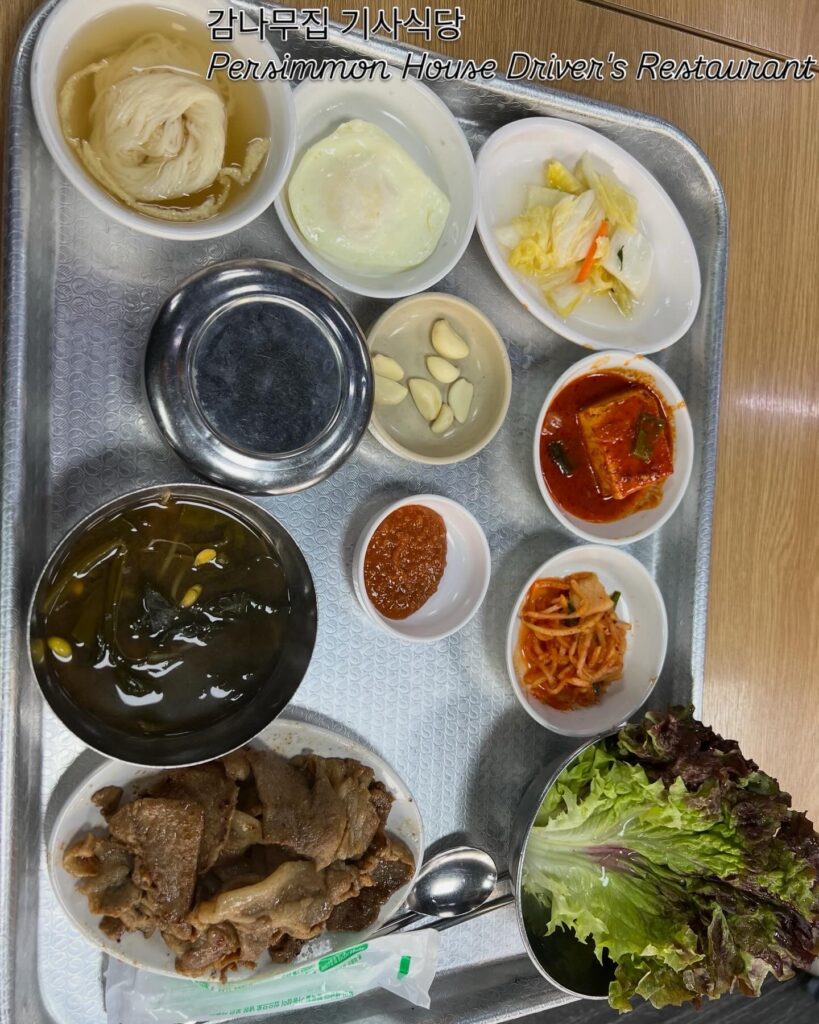
(The tray arrangement at Gamnamujip is surprisingly photogenic. Capturing the vibrant colors of the various side dishes (Banchan) is a great way to document Korean food culture)

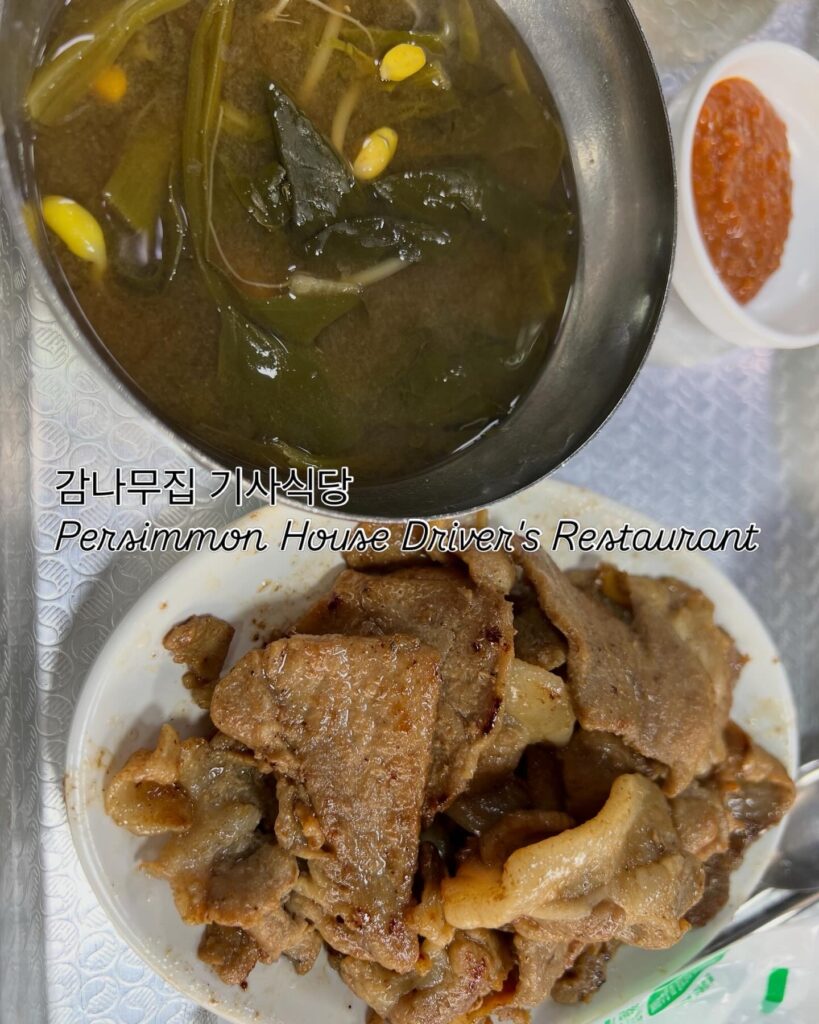
Pork bulgogi — specifically dwaeji-bulbaek (돼지불백), the soy-marinated grilled pork version — is the dish that defines Gamnamujip. Understanding what makes it work requires understanding the difference between this and more widely known variations of bulgogi.
Where beef bulgogi is typically sweet and relatively mild, pork bulgogi at a place like Gamnamujip carries more intensity: the marinade is built on soy, with enough sweetness to balance the salt, and the pork itself is thinly sliced to grill quickly and develop a slight char at the edges. The result is savory, smoky, and deeply satisfying — the kind of flavor that is difficult to achieve without long practice and a recipe that has been refined over many repetitions.
The pork arrives alongside a set of side dishes that are themselves worth noting. Noodles (guksu), fresh lettuce for wrapping, kimchi, and other banchan arrive as part of the meal, and most are available for refills — the gisa-sikdang tradition of unlimited sides is part of what makes these restaurants represent such strong value. The combination of grilled pork wrapped in lettuce with a bit of sauce and rice is one of the most satisfying combinations in Korean everyday cooking, and Gamnamujip executes it as well as anywhere in the city.
What to order:

∙ Dwaeji Bulgogi / Dwaeji-bulbaek (돼지불백): The essential order — soy-marinated grilled pork, served with rice and side dishes
∙ Grilled Mackerel (Godeungeo-gui): A strong secondary option; if visiting with a group, ordering both gives an excellent land-and-sea combination
The Atmosphere
Walking into Gamnamujip, the energy is immediately different from anything in the specialty coffee world. The room is busy, the service is efficient, and the pace of the kitchen communicates that this is a place with a clear sense of what it is doing. Tables turn over at lunch. The staff moves with the confidence of people who have been running this operation for a long time.
The interior reflects the gisa-sikdang tradition: functional, unpretentious, focused entirely on the task of serving a lot of people well. There are no design gestures here. The character of the place comes from its history and its food, not from its furniture.
For visitors accustomed to the quieter, more considered atmospheres of specialty coffee culture, the transition from Always August to Gamnamujip can feel like a shift between parallel Seouls. Both are genuine. Both are worth experiencing. The contrast between them is one of the things that makes this particular course more interesting than either stop would be on its own.
Tips for Visiting
The lunch rush at Gamnamujip is real. As a well-known spot in a high-foot-traffic area, the restaurant fills quickly once the midday hour arrives. The practical advice is to aim for arrival shortly after the kitchen opens — around 11:30 AM — which allows you to eat in relative calm before the main crowd arrives.
The service pace can feel fast for visitors not accustomed to Korean diner culture. The rhythm is: sit down, order, eat, finish, leave. There is no pressure to rush, but the atmosphere does not encourage lingering after the meal. This is not a place to sit with an empty plate for an extended period — eat well, appreciate the experience, and let the next group have the table.
Info about Gamnamujip Gisa-sikdang.
address: 23, Yeonnam-ro, Mapo-gu, Seoul, Republic of Korea
opening hours: 24hours
Price range: 11,000-15,000won
∙ Hours: Lunch and dinner service; check current hours before visiting
∙ Tip: Arrive at or just after opening to avoid the peak lunch queue. The wait during peak hours can be significant.
∙ Best for: Anyone wanting to experience authentic Korean diner culture; groups who can share multiple dishes; travelers looking for genuine Seoul local food at reasonable
Why Yeonnam-dong
Yeonnam-dong is one of Seoul’s most successful examples of a neighborhood that has evolved without entirely losing itself. The independent café culture that developed here over the past decade brought new energy without erasing the residential character of the streets. Restaurants like Gamnamujip, which predate the café era entirely, have persisted not because of trend or nostalgia but because they continue to do what they do — well, consistently, and at a price that keeps the neighborhood coming back.
This course captures both sides of that equation: the carefully considered specialty coffee culture that Yeonnam is now known for, and the plain, honest Korean cooking that has sustained the neighborhood for much longer. Neither stop is trying to be something it is not. That consistency — across very different kinds of establishments — is what makes this particular morning feel complete.
Who This Course Is For
∙ Coffee enthusiasts who want to experience a serious roastery in one of Seoul’s best café neighborhoods
∙ Travelers looking for authentic Korean food at a local price point, without the performance or tourist-facing packaging that affects restaurants in more central areas
∙ First-time visitors to Yeonnam-dong who want an introduction to the neighborhood through two places that genuinely represent it
∙ Anyone who appreciates contrast — the move from a quiet, design-conscious roastery to a loud, efficient Korean diner in the space of a short walk captures something true about how Seoul contains multitudes
Getting There
Hongik University Station (Seoul Metro Line 2, Airport Railroad, Gyeongui-Jungang Line) is the most convenient entry point. From Exit 3, the walk into Yeonnam-dong takes approximately 5 minutes. Always August Roasters is reachable from there, and Gamnamujip is within easy walking distance of the roastery.
The streets between these two stops pass through the core of Yeonnam-dong’s café district — worth walking slowly, as the neighborhood offers more to notice at a pedestrian pace than it does from a map.