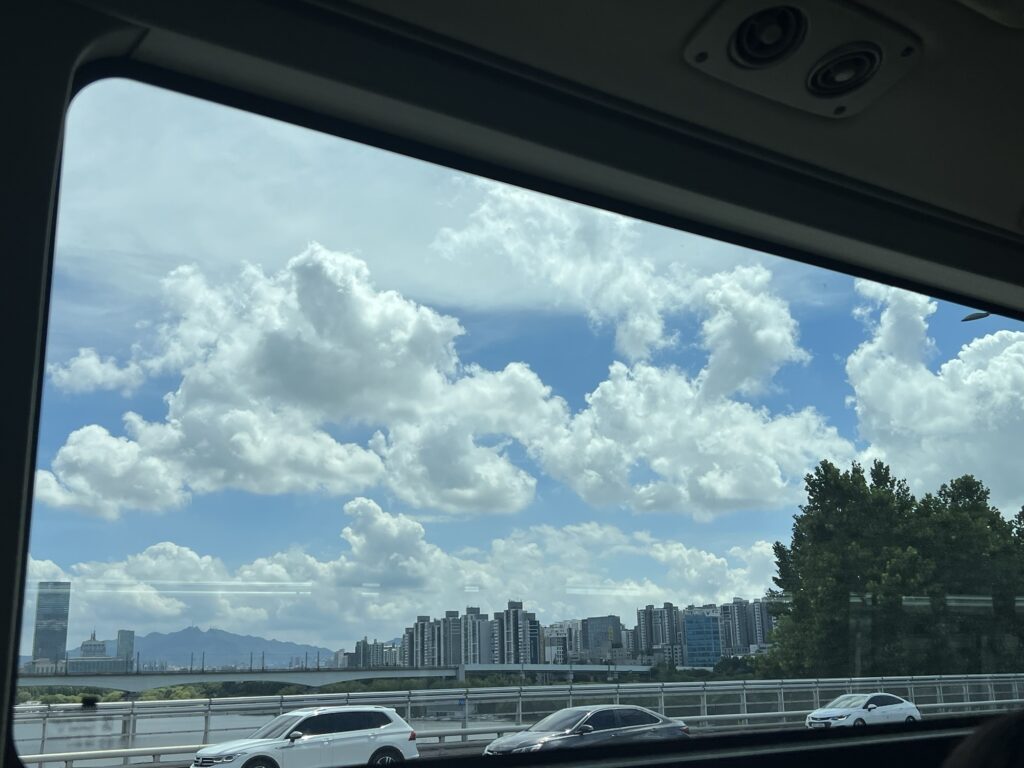
Digital Media City (DMC) in Sangam-dong is defined, at first glance, by its scale. The glass towers of broadcasting companies and tech firms dominate the skyline, and the streets during lunchtime fill with the kind of purposeful foot traffic that characterizes working districts everywhere. It is not, on the surface, a neighborhood you would associate with slow meals and careful design.
But one block away from the busiest corridors, a different kind of experience is available. This two-stop course — a handmade pasta restaurant followed by one of the most quietly impressive café interiors in western Seoul — offers something genuinely rare in a media district: a lunch that does not feel rushed, and an afternoon coffee that rewards staying.
Route: Pasta Gongjakso → Cafe Alod
Walking Time: 5–10 minutes between stops
Best Time: Weekday lunch, arriving before the midday rush
Total Budget: 25,000 – 45,000 KRW per person
Why This Course Works
DMC has no shortage of places to eat quickly. What it lacks — and what this course addresses — is places that prioritize the quality of the experience over the speed of service. Pasta Gongjakso and Cafe Alod both operate at a pace that stands in deliberate contrast to the working district around them. Together, they make a strong case for taking a proper lunch break rather than a functional one.
The sequence also flows naturally. A substantial handmade pasta lunch calls for a relaxed café follow-up, and Cafe Alod’s spacious, plant-filled interior is designed for exactly that kind of unhurried settling-in. You leave the pasta restaurant satisfied and arrive at the café ready to slow down further.
Stop 1: Pasta Gongjakso (파스타 공작소) — Handmade Pasta in Sangam-dong

What It Is
The name translates directly as “Pasta Workshop,” and the name is accurate. Pasta Gongjakso is organized around a single commitment: making pasta from scratch, every day, by hand. In a neighborhood where most lunch options are built around efficiency and volume, this approach is genuinely unusual — and the result in the bowl reflects the difference.
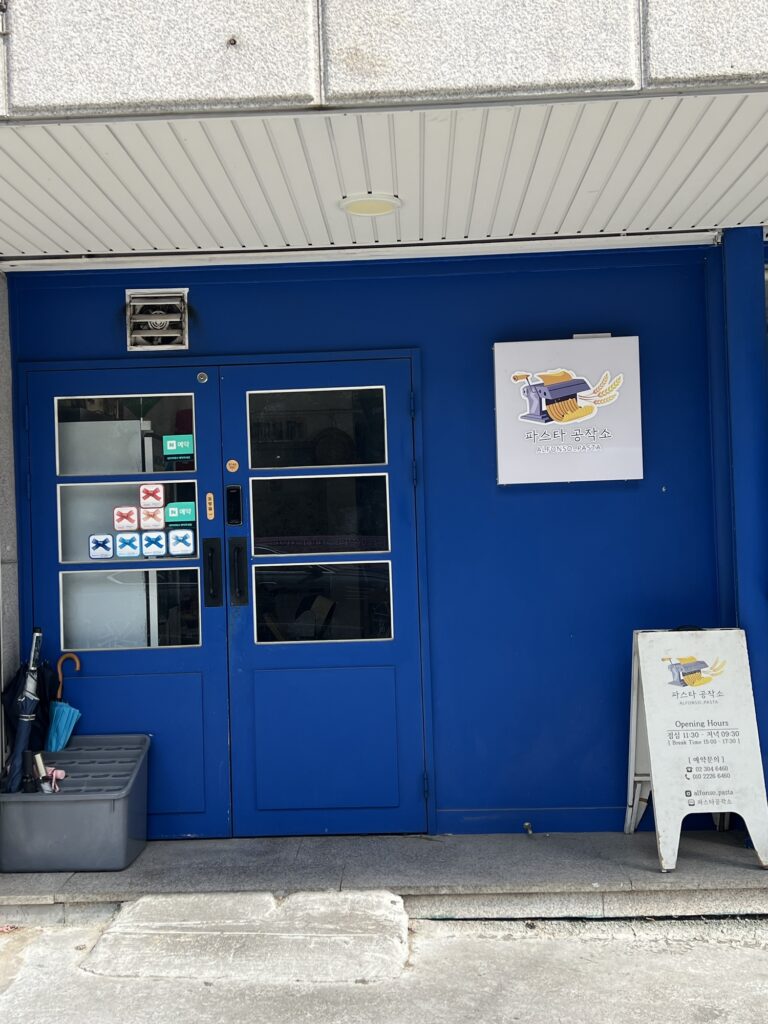
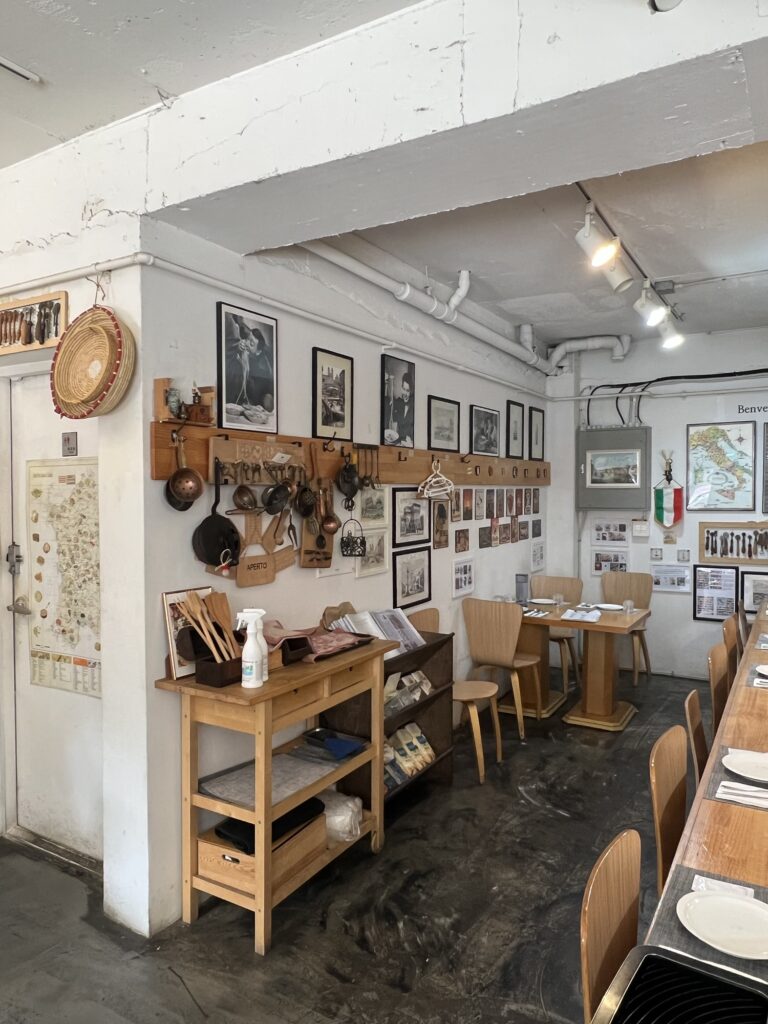
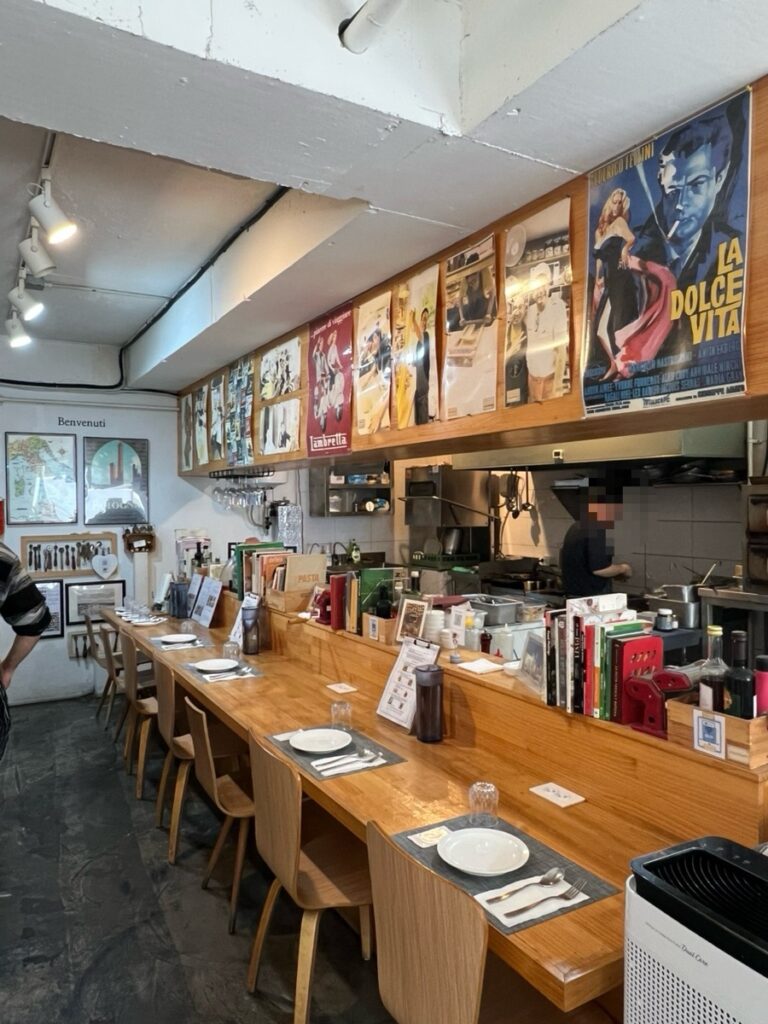
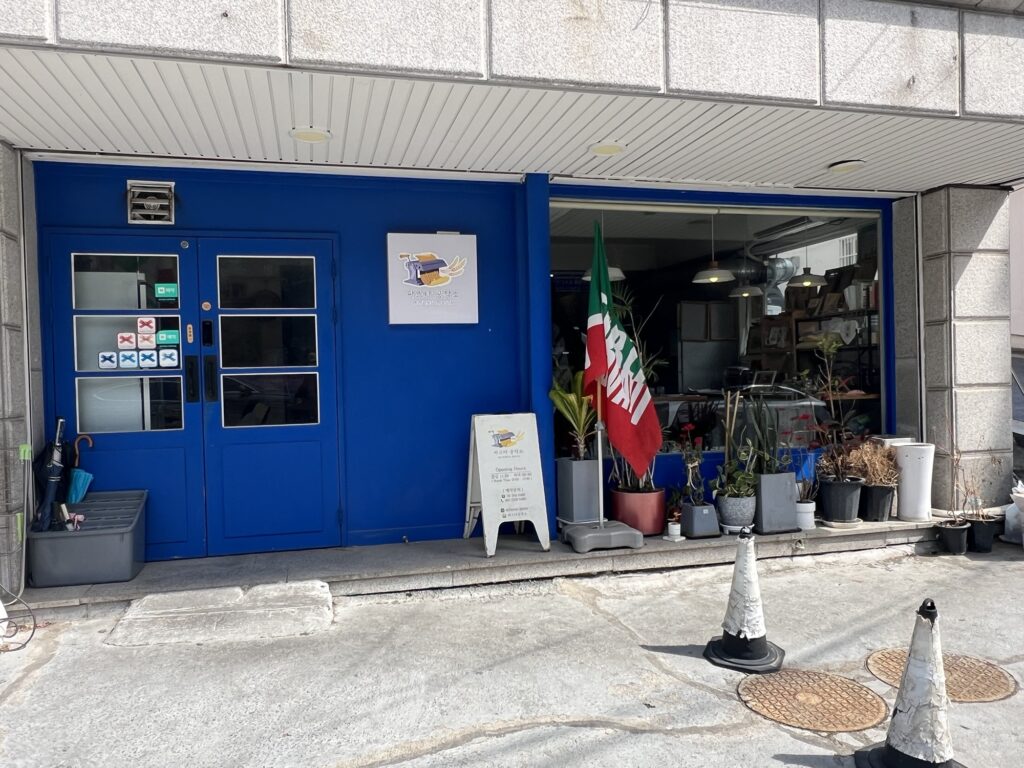
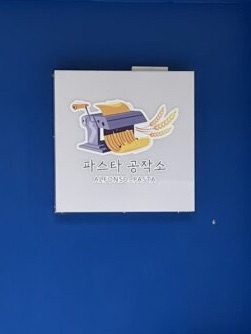
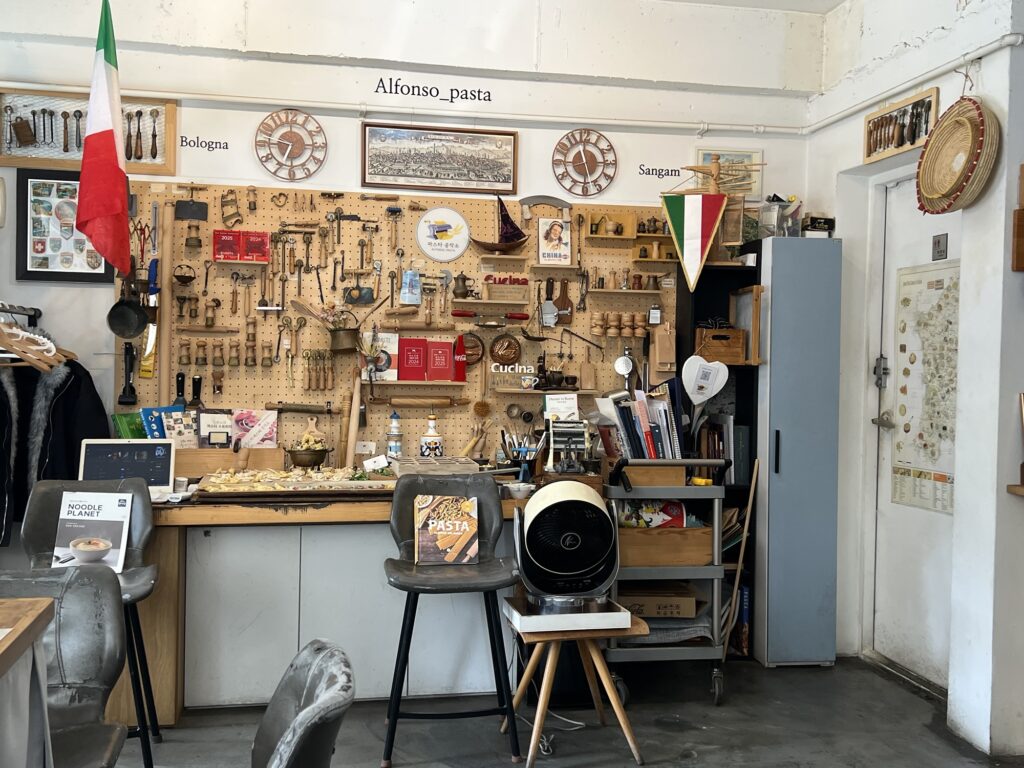
The restaurant is small and intimate, with walls covered in Italian-themed objects, posters, pasta-making tools, and the accumulated visual texture of a space that has been cared for over time. The exterior announces itself with a bright blue door and a hand-drawn logo featuring a pasta machine — cheerful, unpretentious, and immediately communicating that this is not a corporate lunch venue.
The Pasta

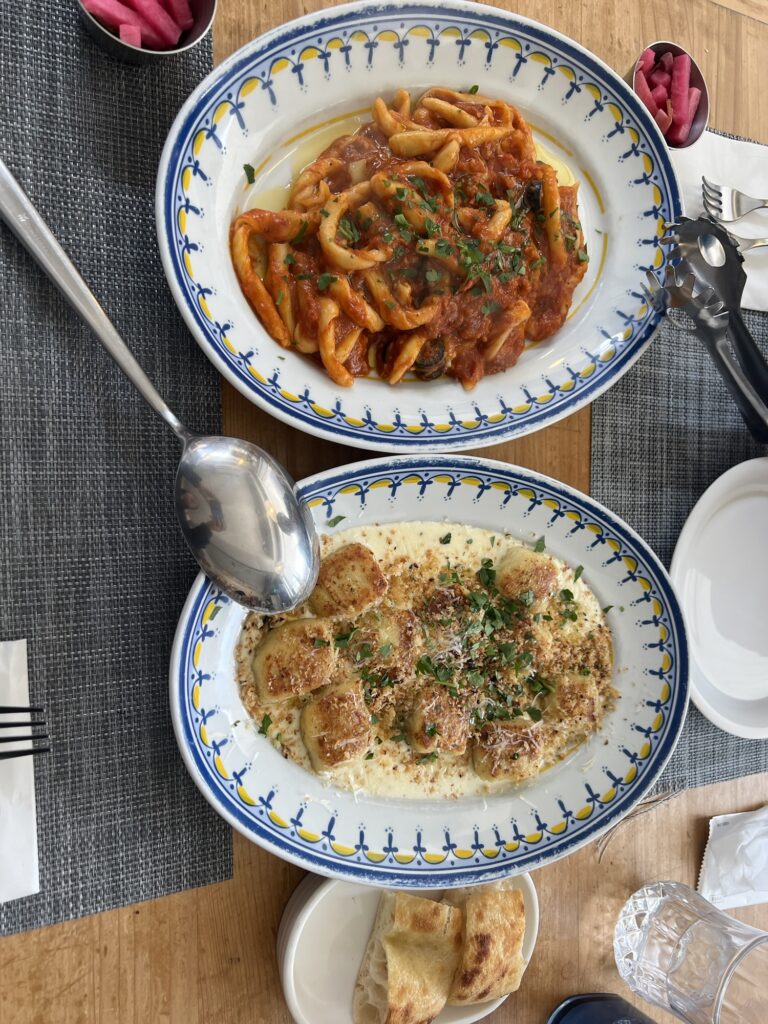
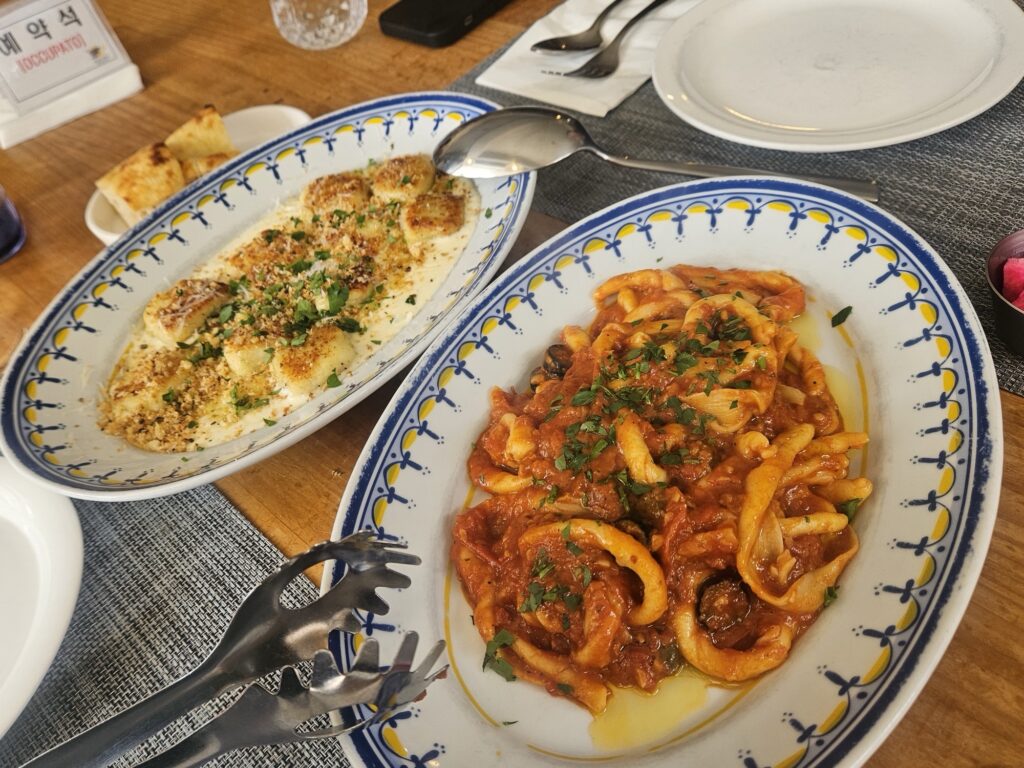
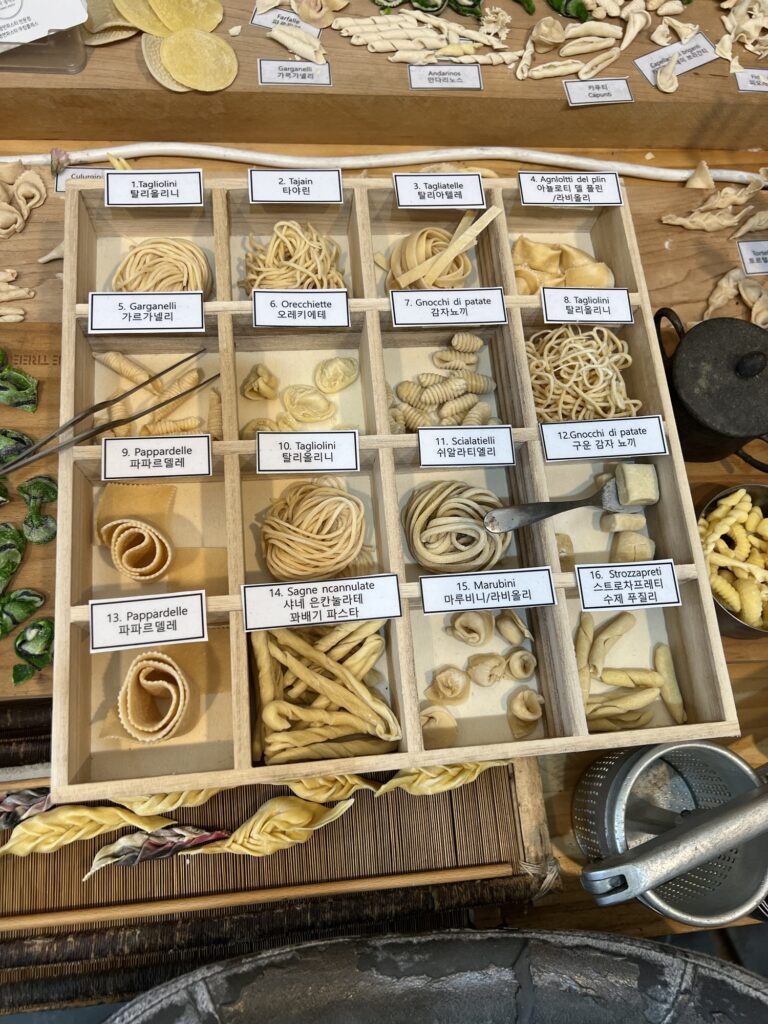
What distinguishes Pasta Gongjakso from the standard Italian restaurant in Seoul is the texture of the noodles. Fresh, handmade pasta — saeng-myeon (생면) in Korean — behaves differently from dried pasta in every respect: it is silkier in the mouth, subtly chewy in a way that holds sauce rather than sliding past it, and carries a flavor that reflects the quality of the flour and the precision of the kneading process.
Watching different shapes emerge from the kitchen — tagliatelle, stuffed varieties, short formats — has the quality of watching skilled craft being practiced. Each plate arrives as a composed balance of color, texture, and sauce, with the pasta always at the center rather than buried under additions.
Pasta Gongjakso (which literally translates to ‘Pasta Workshop’) is a sanctuary for those who appreciate the delicate craft of Italian cuisine. As a visual artist, I am always drawn to places where “process” and “craftsmanship” are prioritized, and this restaurant is a perfect example of that philosophy.

The menu reflects a genuine understanding of Italian regional cooking rather than a generic interpretation of it. The dishes are not trying to be everything at once. They are trying to do a small number of things correctly, which is exactly the right approach for a restaurant with this philosophy.
What to order:
∙ Ask for the current pasta recommendations — the menu rotates with what is being made fresh that day
∙ Tomato-based sauces tend to highlight the pasta texture most clearly
∙ Stuffed pasta varieties are worth ordering when available
∙ Price range: Approximately 13,000 – 18,000 KRW per dish
The Atmosphere
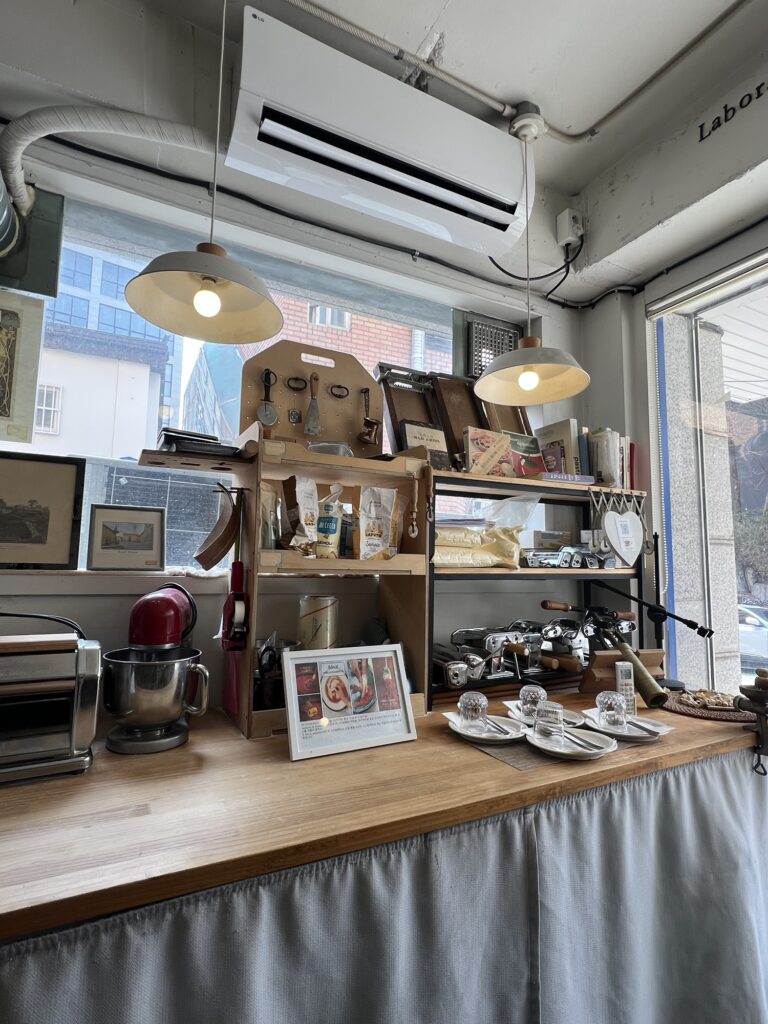
The interior is intimate and dense with character — Italian maps, vintage posters, kitchen equipment on display, a long bar counter along one side of the room. It is the opposite of minimalist, and it works because the density feels accumulated rather than staged. This is a room that has been lived in.
The space fills quickly during peak lunch hours, when media professionals from nearby broadcasting companies make it a regular stop. The recommendation is to arrive early — shortly after opening — to secure a seat and enjoy the calmer. atmosphere before the midday crowd arrives. Early dinner is another good option if lunch timing is difficult.
Info about pasta gongjakso
address: 24, World Cup buk-ro 42ga-gil, Mapo-gu, Seoul, Republic of Korea
opening hours: 11:30am - 9pm (break hours 2pm-6pm, closed on sunday)
price range: 17,000-23,000won
tip: It's good to make a reservation
Practical Notes:
∙ Tip: Arrive at opening to avoid the lunch rush. The restaurant is small and fills quickly on weekdays.
∙ Best for: Anyone who wants a proper, crafted meal rather than a functional lunch; pasta enthusiasts; slow eaters


Stop 2: Cafe Alod — A Living Gallery of Plants and Light
The Contrast
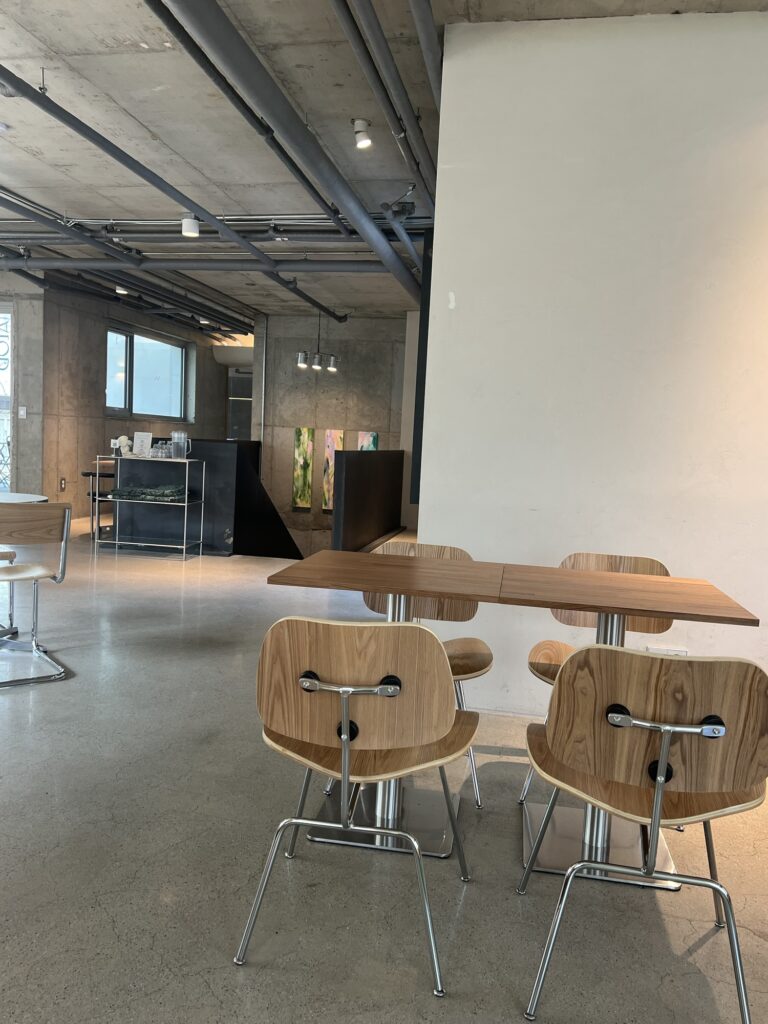
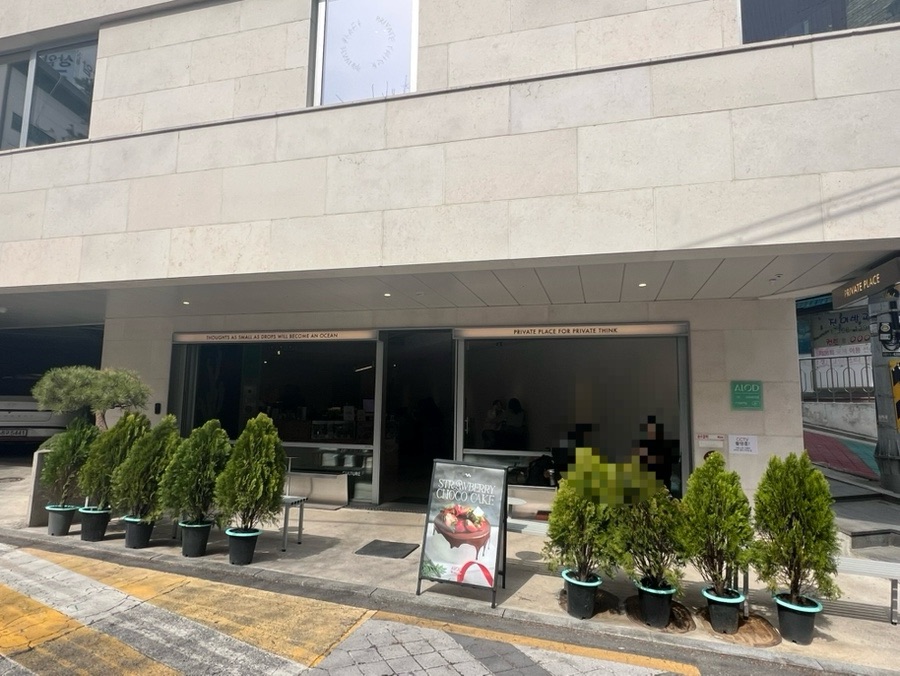
Stepping from the intimate, texture-rich interior of Pasta Gongjakso into Cafe Alod is a shift in register that feels deliberate, even if it is simply the result of proximity. Where the pasta restaurant is dense and warm, Alod is spacious and luminous. Where one fills every surface with objects and history, the other allows negative space to breathe.
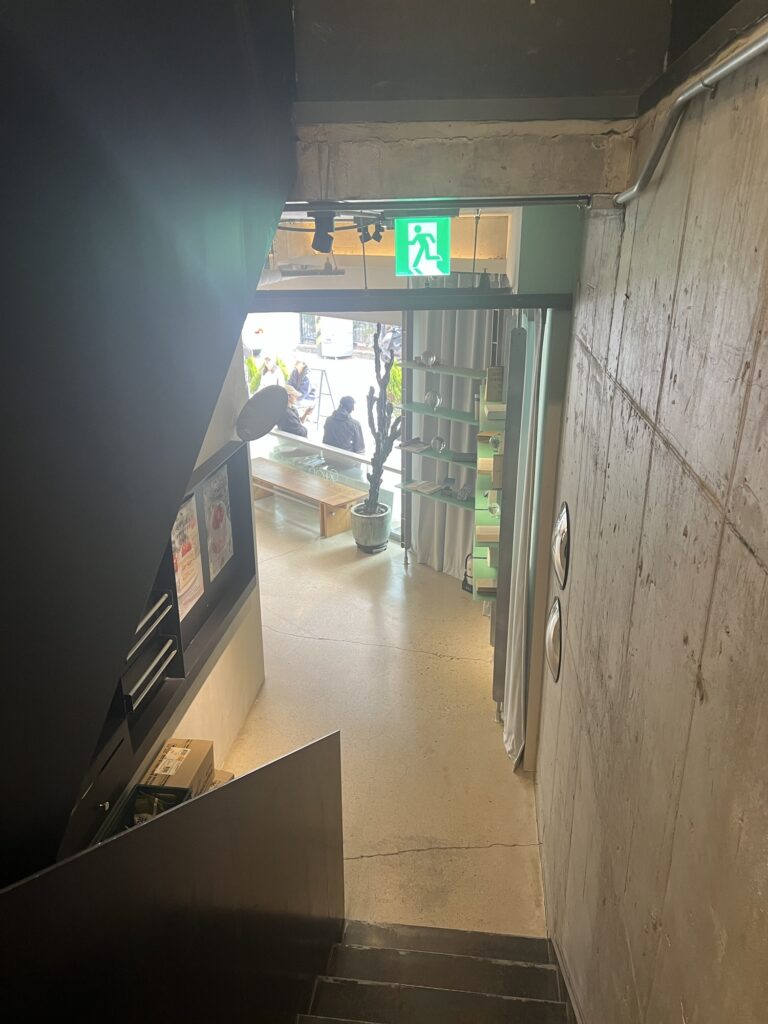
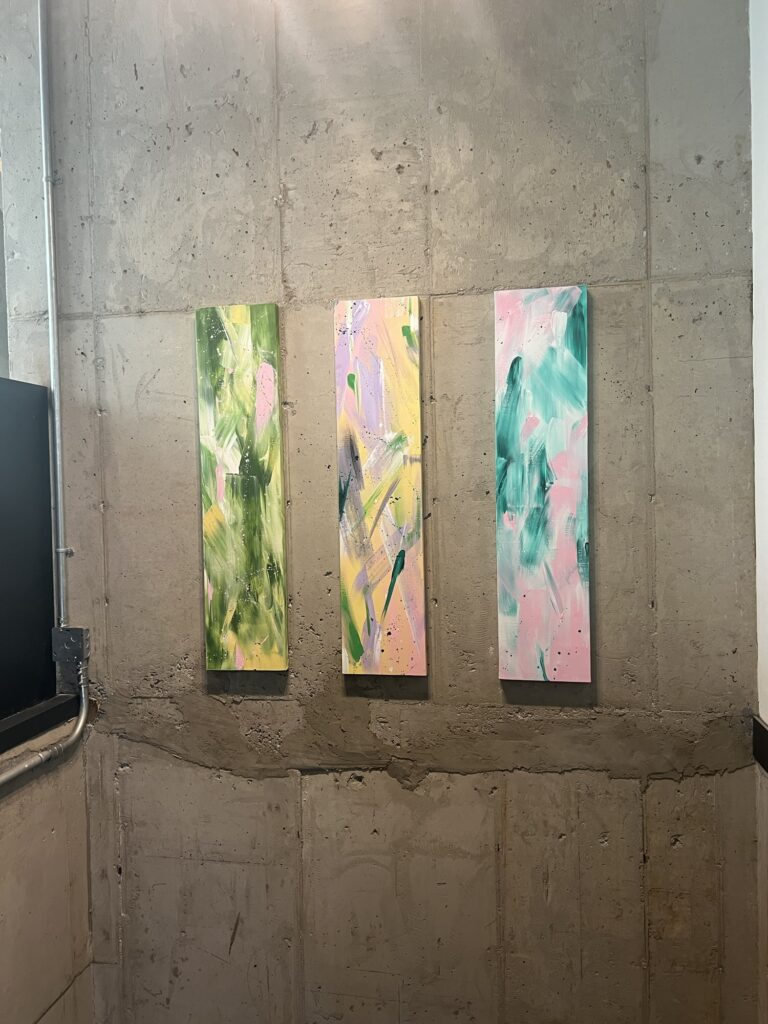
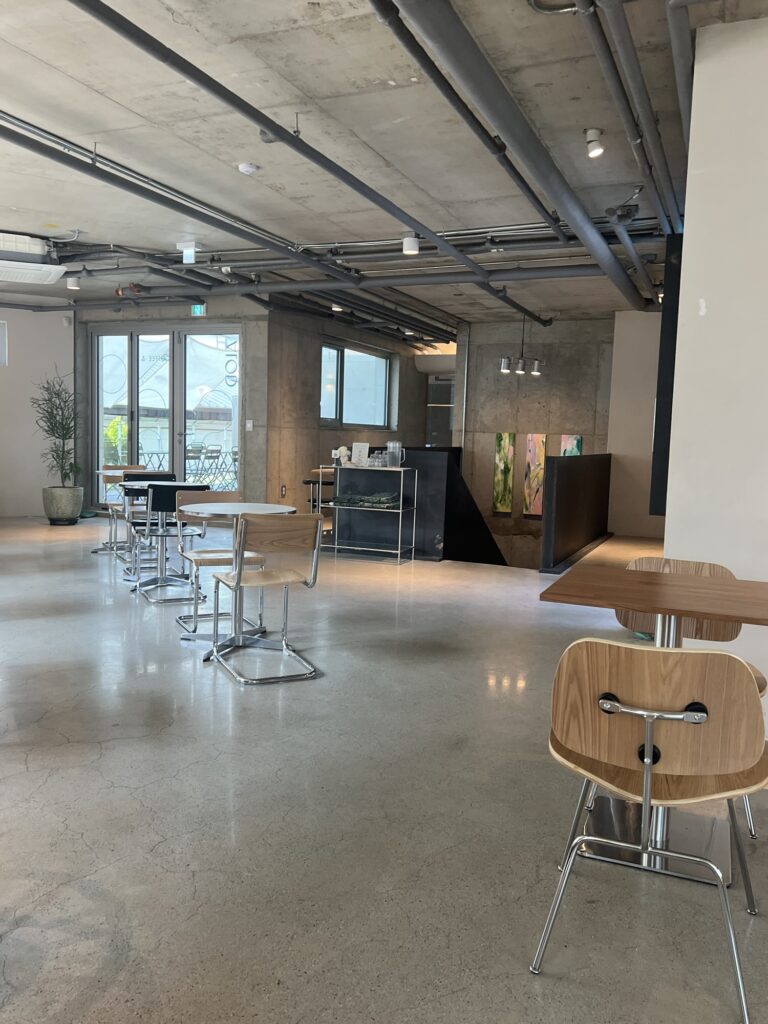
Cafe Alod occupies a building connected to the entertainment company of Song Eun-i, a well-known Korean comedian and CEO — a detail that explains the unusually large and well-proportioned interior, which is rare in Sangam-dong’s typically commercial architecture. The space would be noteworthy for its size alone. What makes it genuinely worth visiting is what has been done with that space.


The Interior
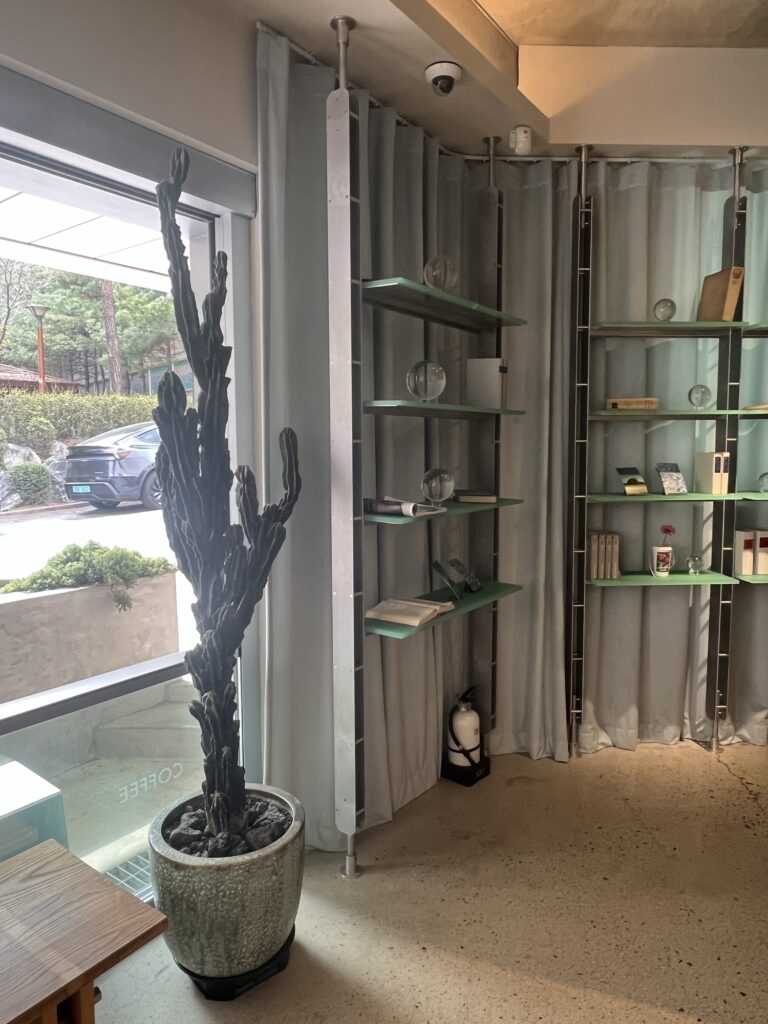
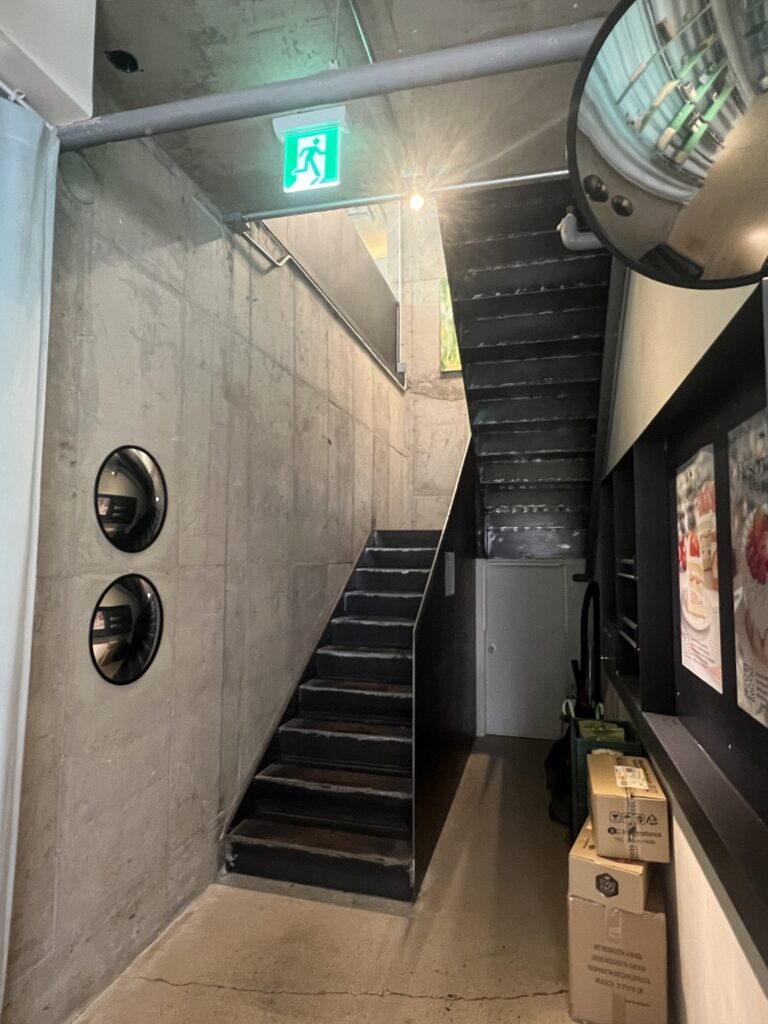
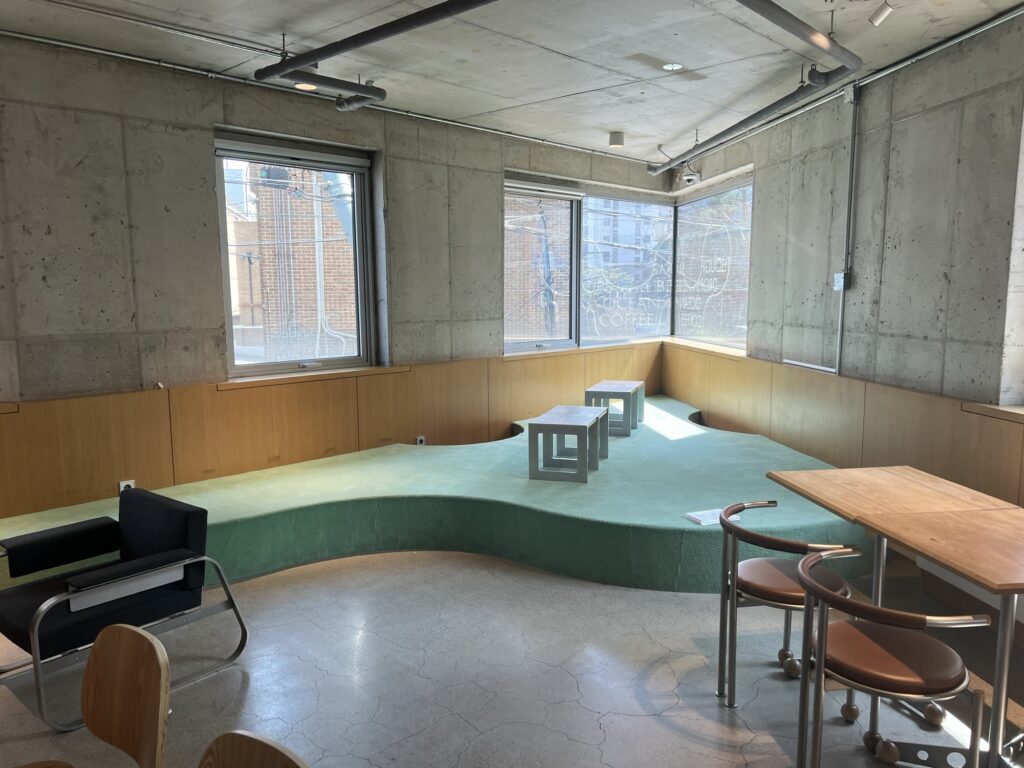
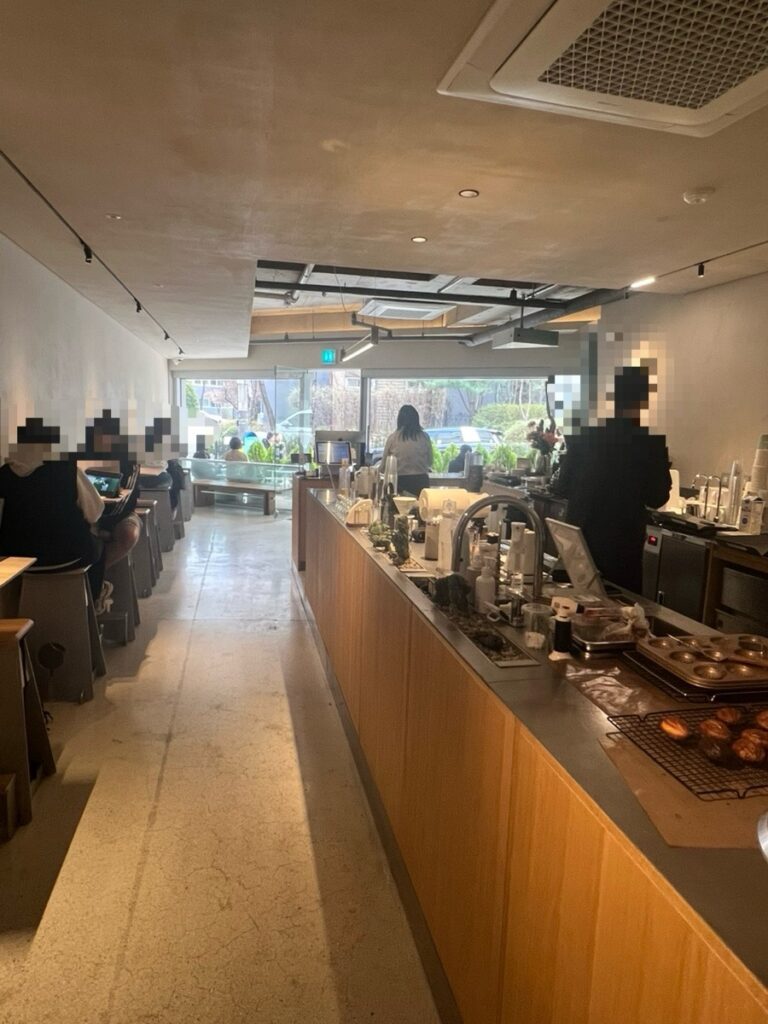
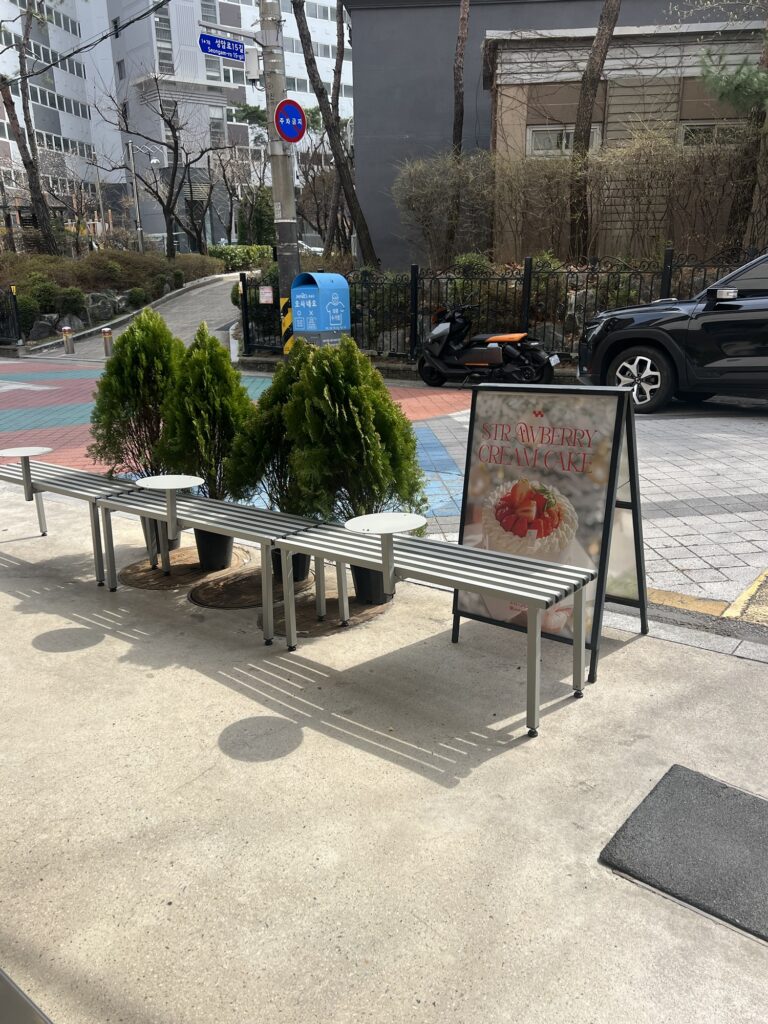
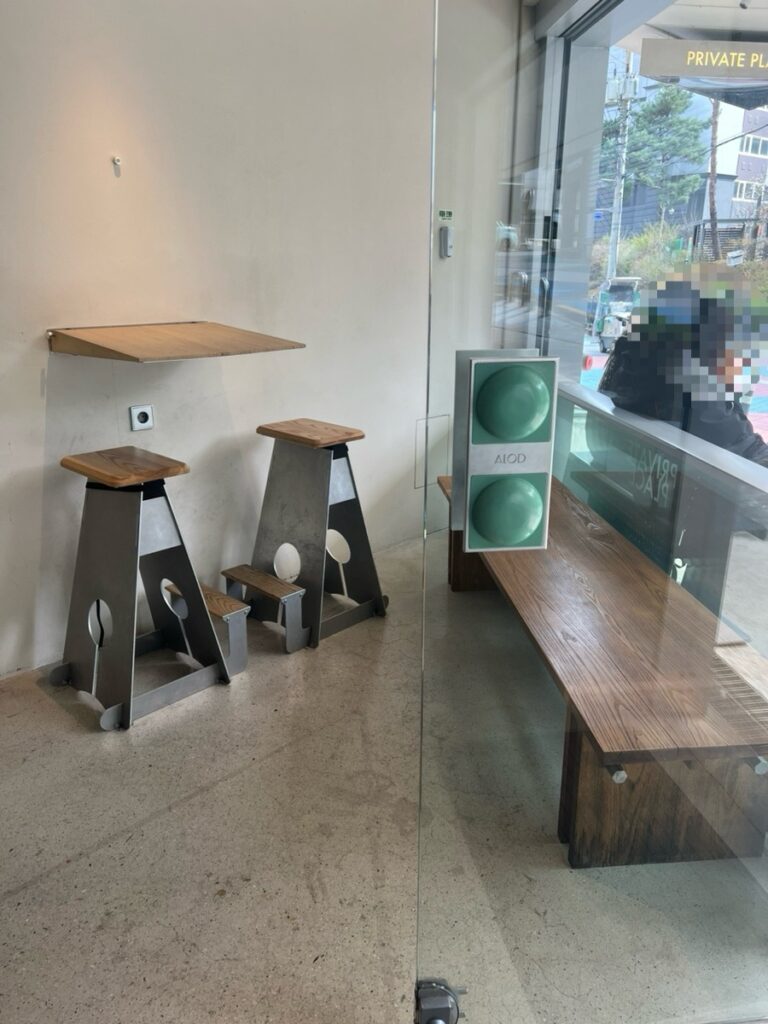
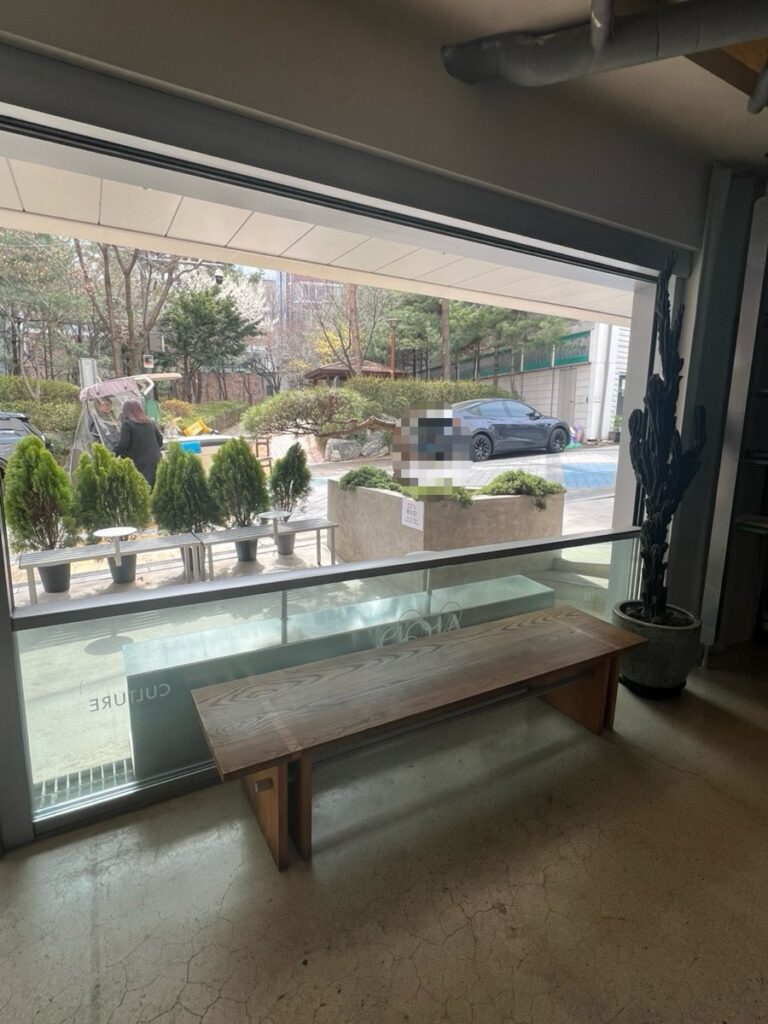
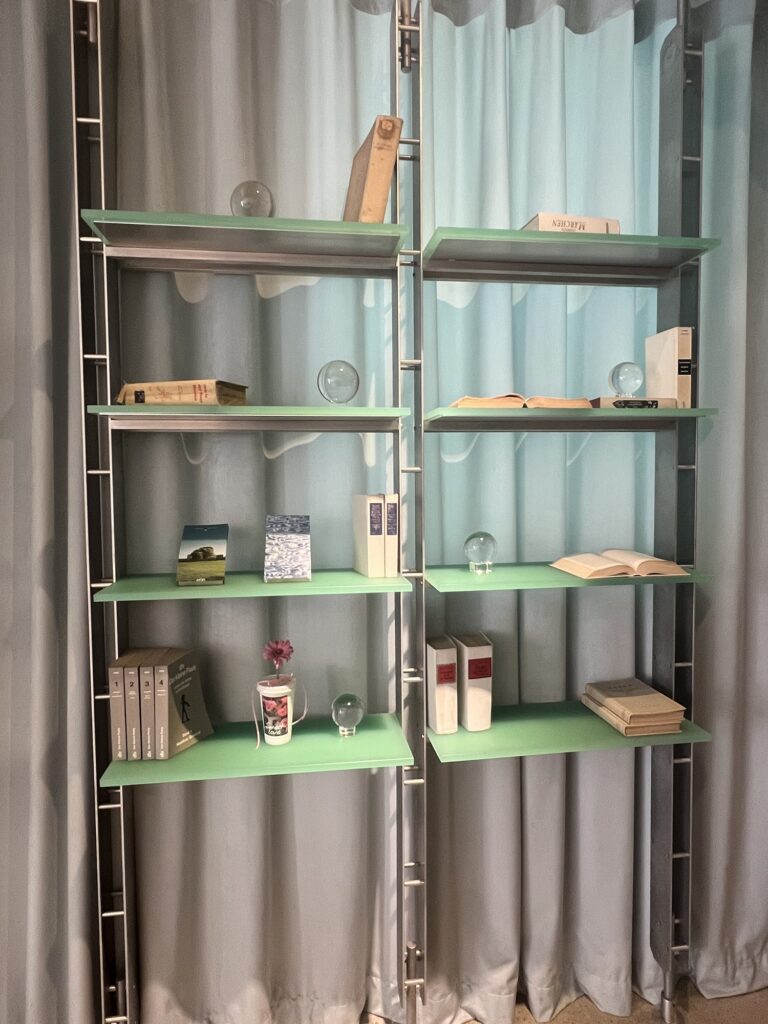
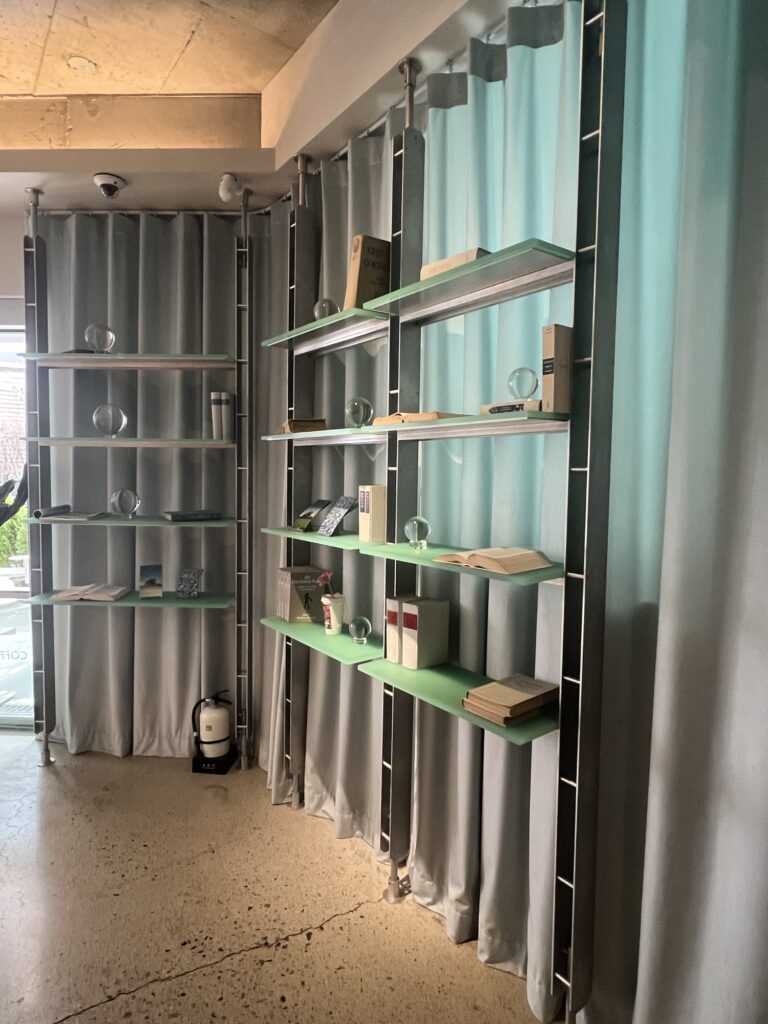
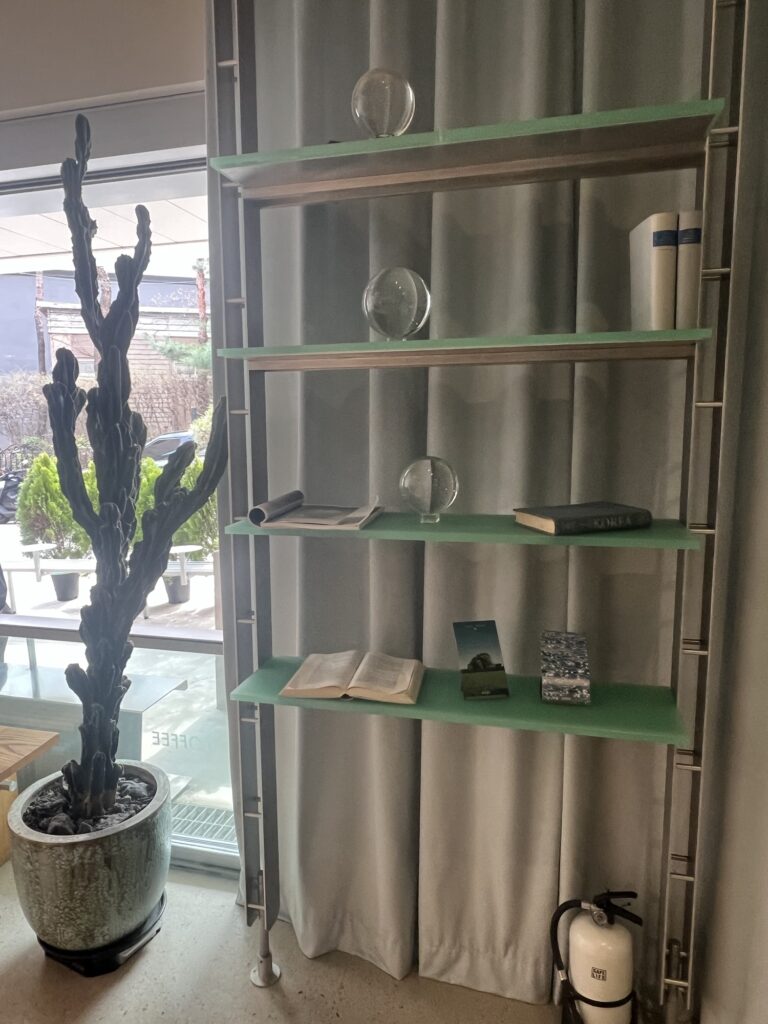
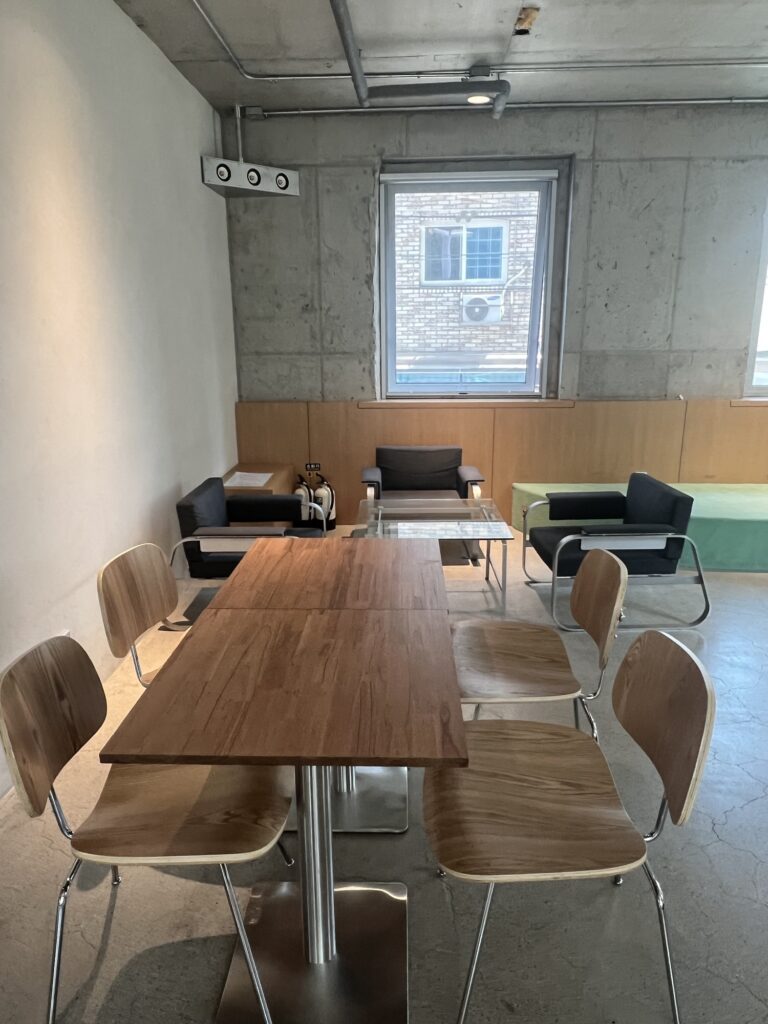
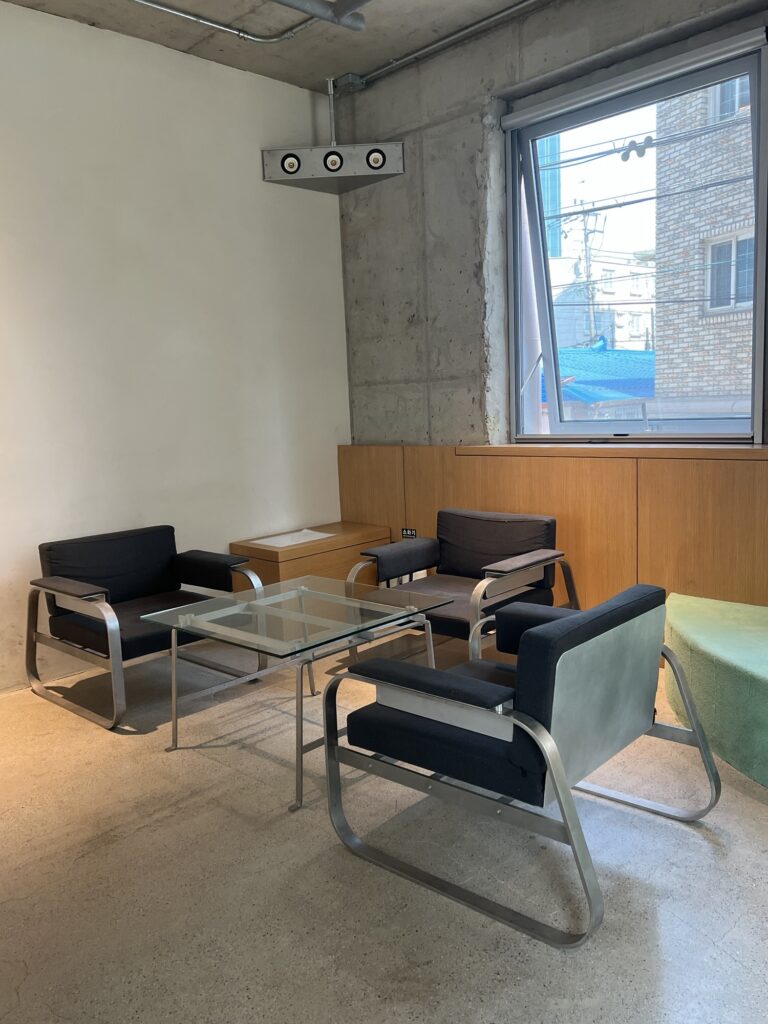
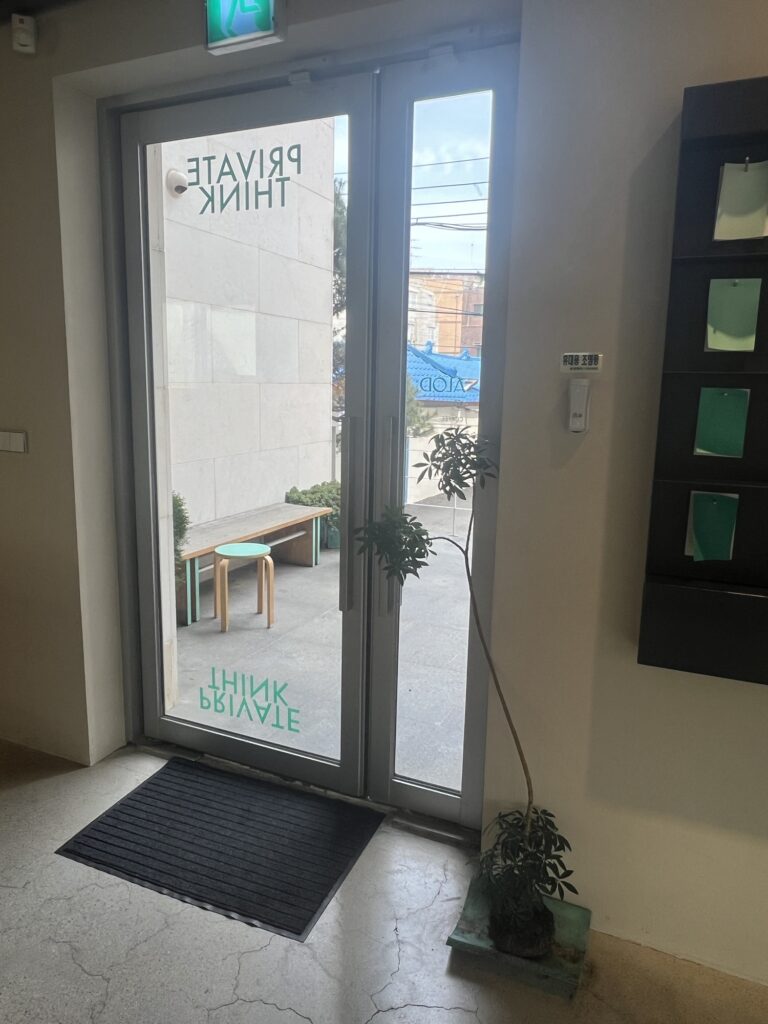
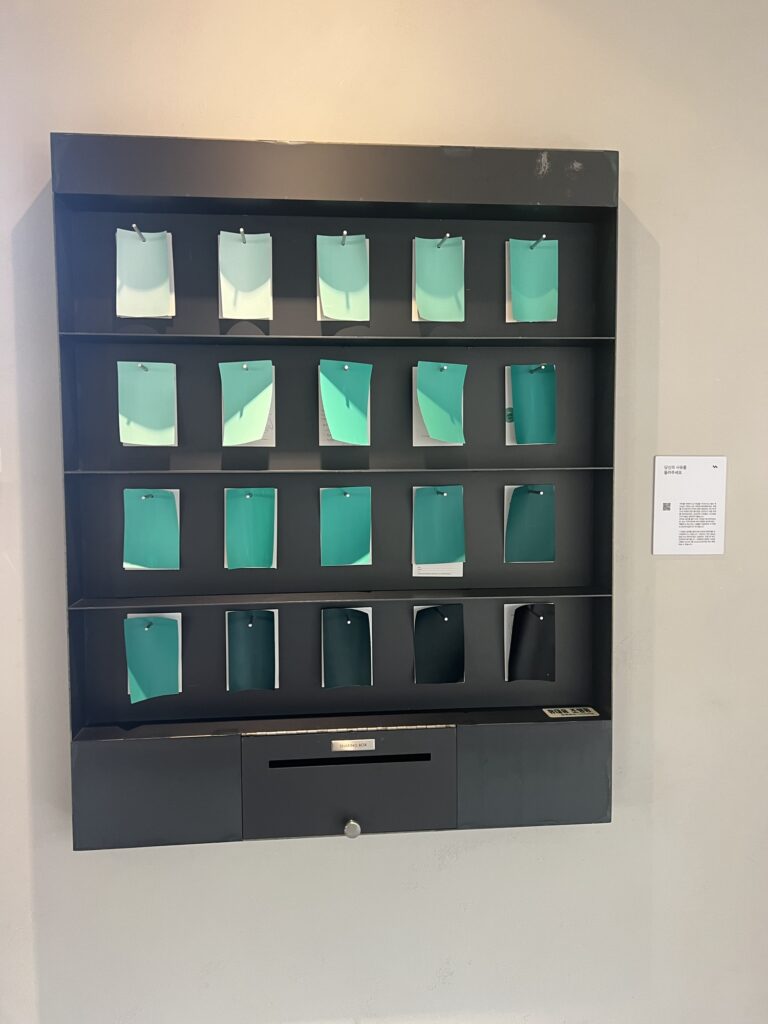
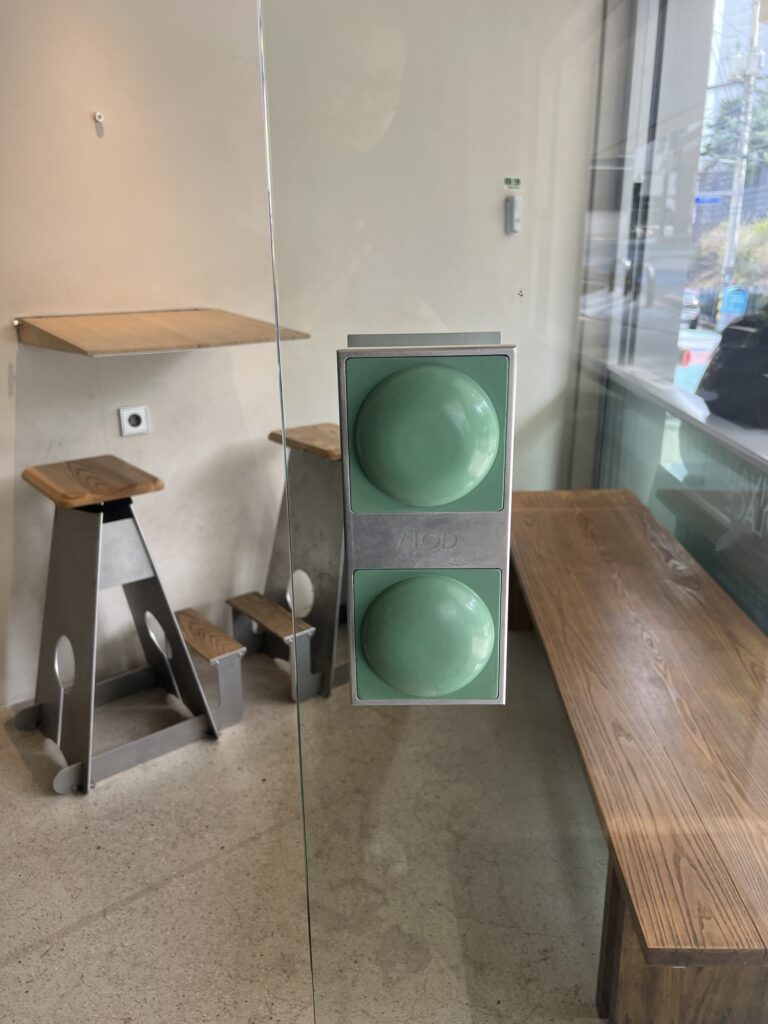
The design philosophy at Cafe Alod centers on plants — not as decoration, but as the organizing principle of the entire space. Botanical arrangements, carefully placed and clearly tended with real attention, create the feeling of a living greenhouse that happens to serve coffee. The concrete walls and exposed ceiling of the building’s industrial structure provide a neutral backdrop that allows the greenery to read as the main visual event.
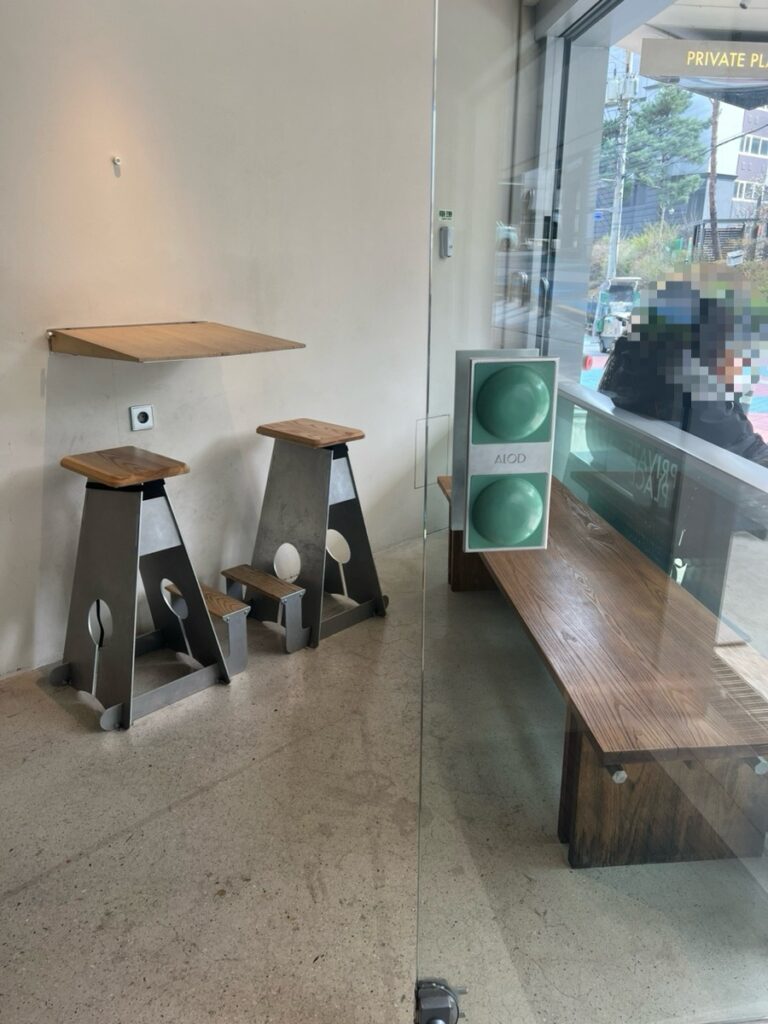
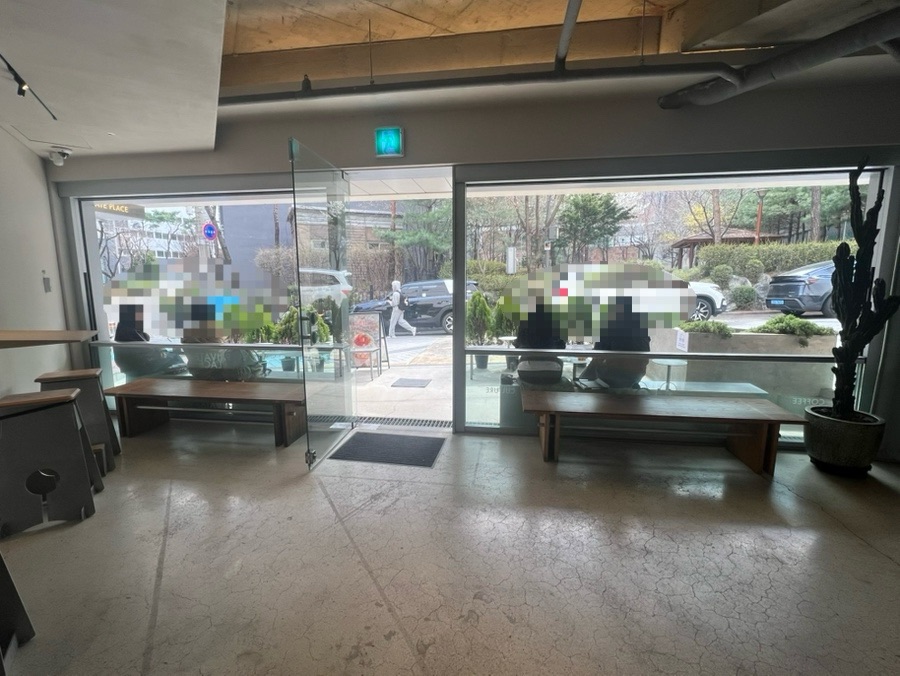
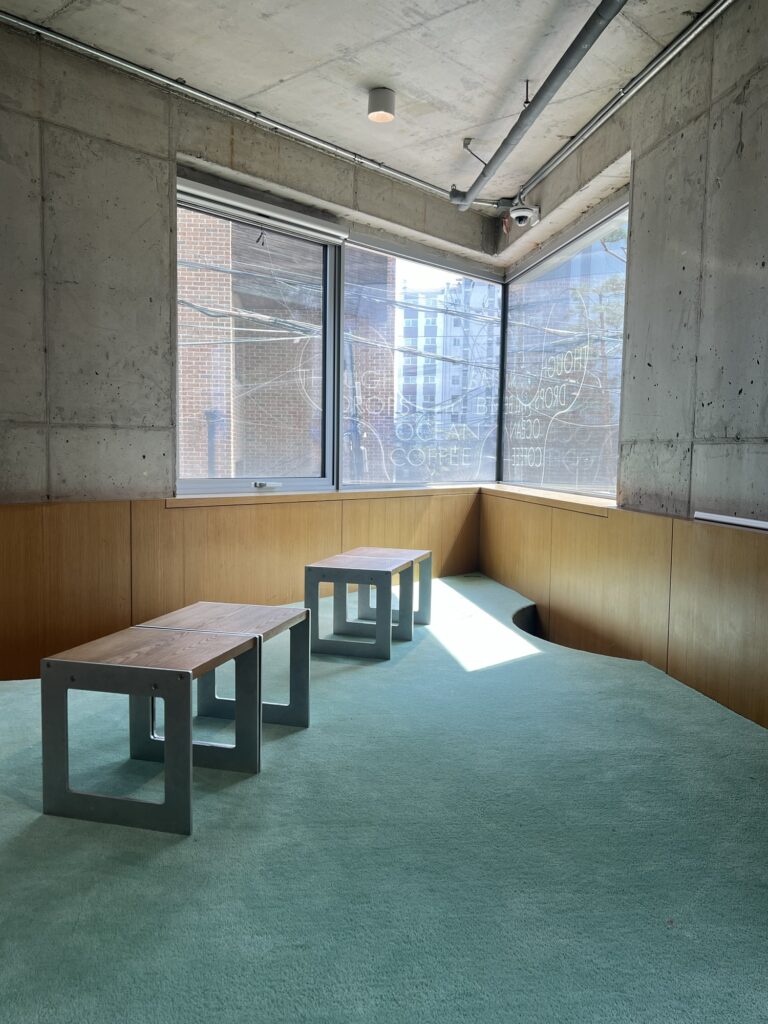
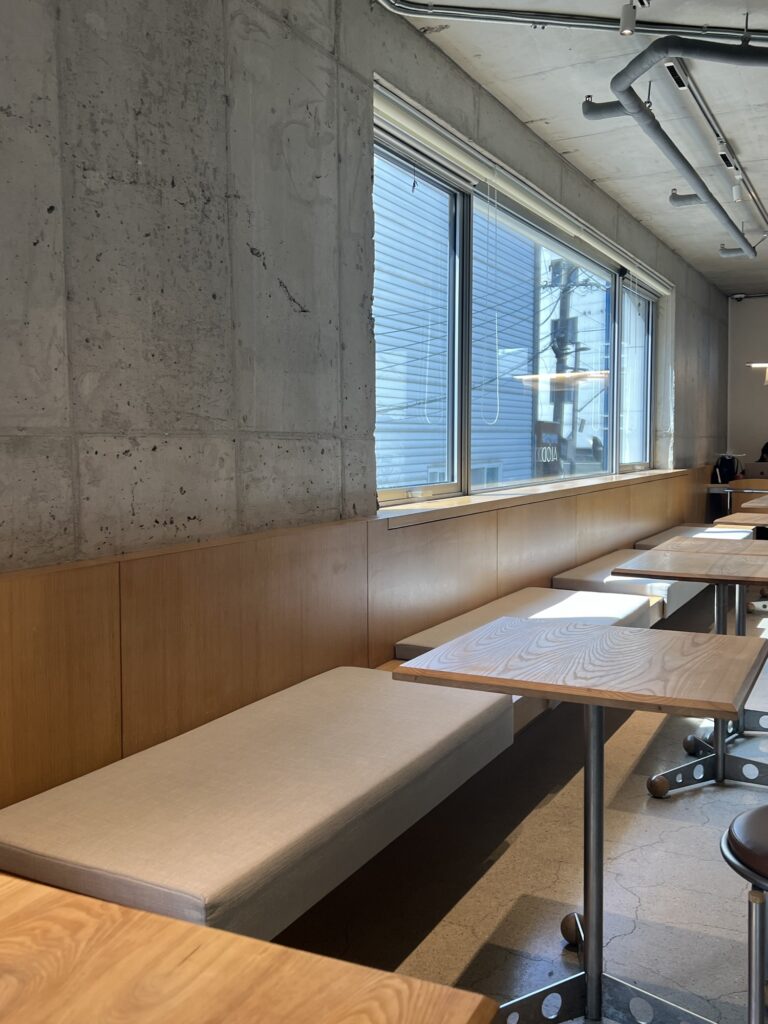
The furniture reflects the same sensibility: organic shapes, warm wood tones, designer chairs that function as individual objects rather than interchangeable units. The seating is varied — window bar seats for solo visitors, standard tables for pairs and groups, and lounge-style arrangements in certain areas for longer stays.

The space accommodates different kinds of visits without feeling inconsistent.
Natural light is central to the experience. During weekday afternoons, when the sun angles through the large windows and falls across the plant arrangements, the space becomes genuinely beautiful in a way that is difficult to capture in photographs and easy to experience in person.


The Coffee and Desserts

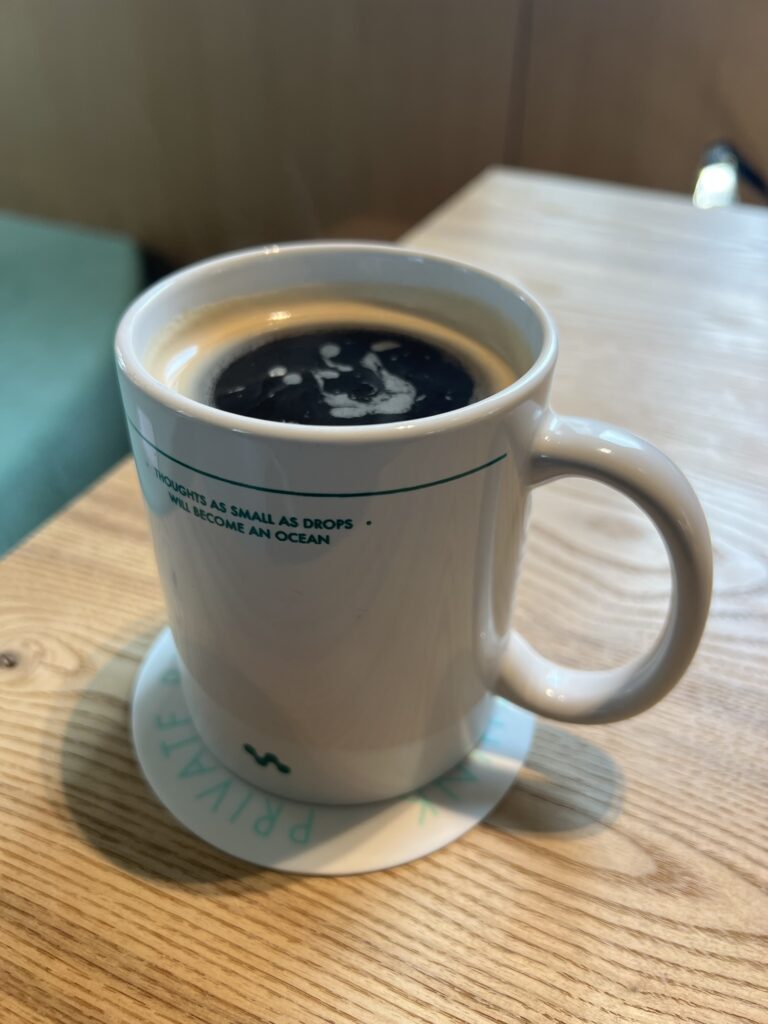
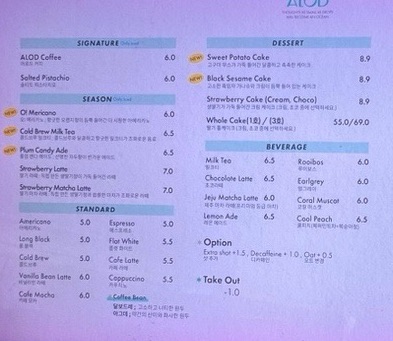
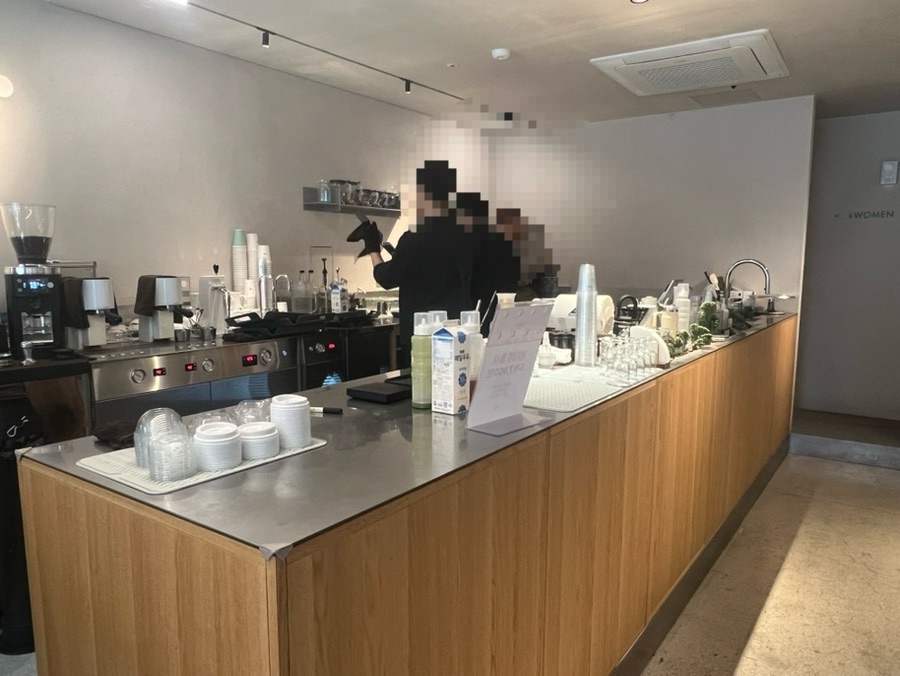
Alod’s coffee menu covers both signature and standard options. The house signature coffee and the salted pistachio variation are the most distinctive starting points. The seasonal menu introduces drinks built around current fruit selections — generally lighter and more aromatic than the espresso-forward options, and suited to the café’s overall sensory mood.
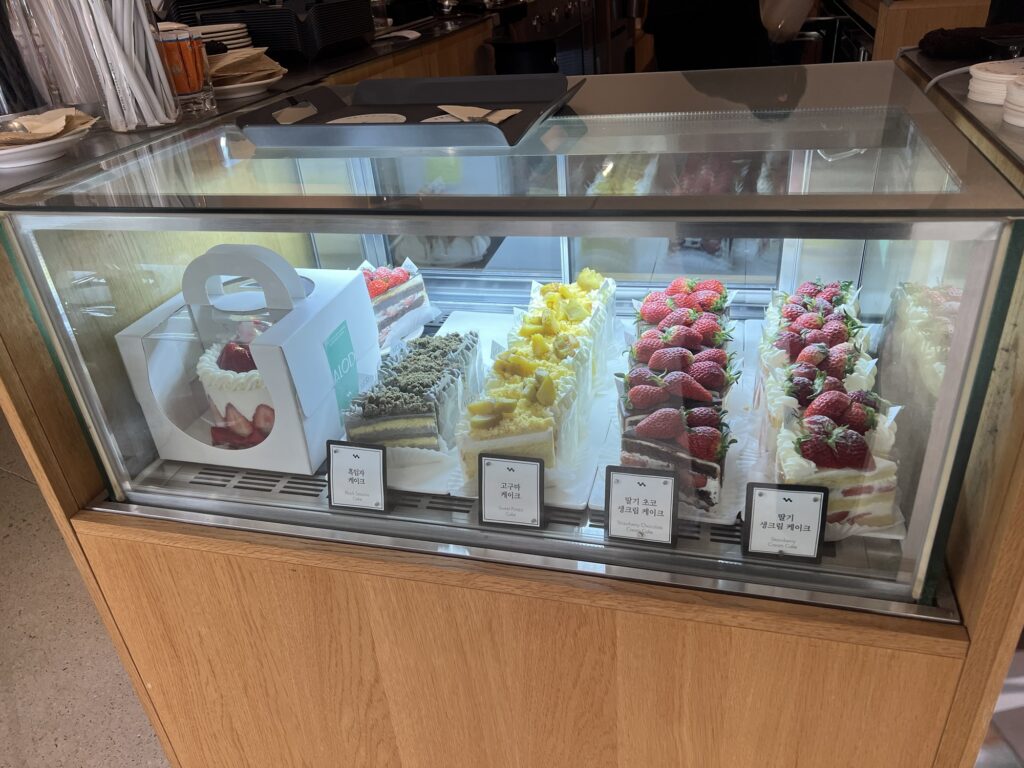
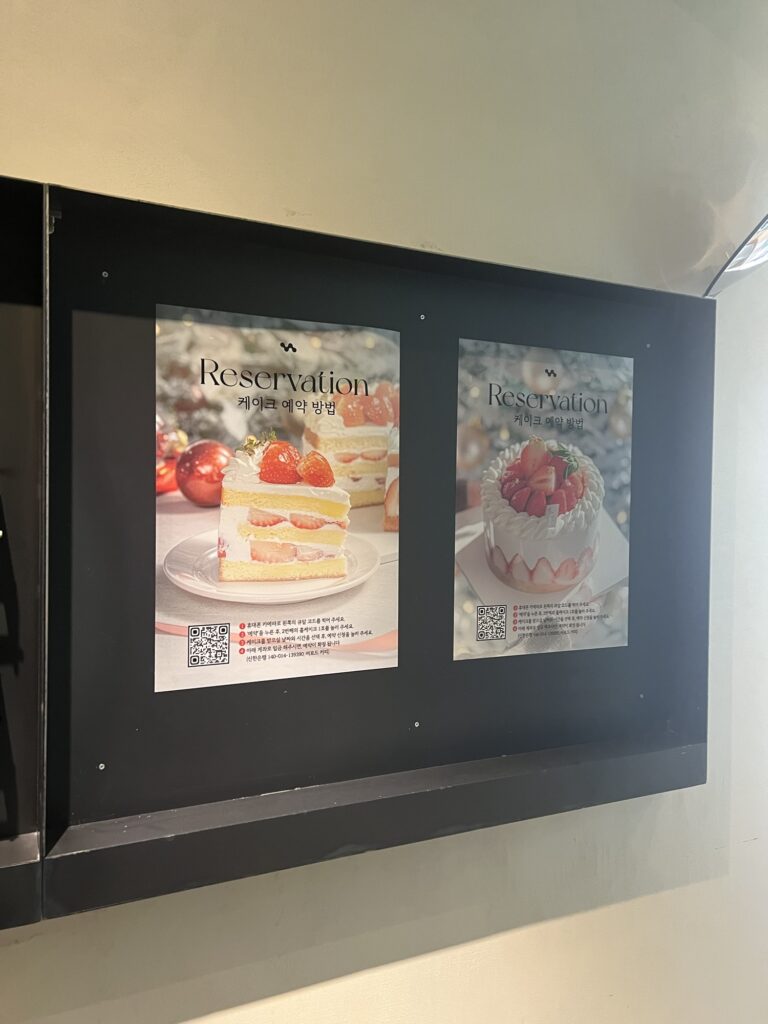
The dessert case is worth examining carefully. Seasonal cakes — strawberry, sesame, chocolate — are presented with the same minimalist precision that characterizes the rest of the space. The presentation is restrained, almost architectural, and the quality matches what the visual care implies. Whole cakes are available to reserve in advance for those who want to take one home.
The coffee is well-made and calibrated to complement rather than dominate. After a substantial pasta lunch, the lighter filter options or the signature drinks are a better choice than heavy espresso, and the menu accommodates this naturally.

What to order:

∙ ALOD Coffee (signature): The house blend, worth trying on a first visit
∙ Salted Pistachio: Unusual and well-executed; a good choice if you want something distinctive
∙ Seasonal drink: Check what is current; generally fruit-forward and approachable
∙ Strawberry Cake or Sesame Cake: The desserts are genuinely good, not merely photogenic
∙ Price range: Coffee 5,000 – 7,000 KRW / Desserts 8,500 – 9,000 KRW
The Afternoon Light
The café’s own tip is worth repeating: weekday afternoons, when golden-hour light enters through the south-facing windows and illuminates the plant arrangements from within, produce the best visual experience of the space. The way sunlight interacts with leaves, the shadows cast across the concrete floors, and the general warmth of the room at that hour are all worth experiencing once.
This is also the quietest time to visit. The lunch crowd has passed, the evening crowd has not arrived, and the café settles into the particular stillness that large, well-designed spaces achieve when they are not too full.
Info about Cafe Alod
address: 74, Seongam-ro 15-gil, Mapo-gu, Seoul, Republic of Korea
Opening hours:10am - 7pm ( mon to sat)
12am-7pm(sunday)
price range: 5,500- 8,900won

∙ Cake reservations: Available in advance if you want a whole cake
∙ Best time: Weekday afternoons for the best light and quietest atmospher


There are many good restaurants in Sangam-dong because there are many broadcasting stations and companies. Among them, the pasta factory is a favorite pasta restaurant among Koreans. Try pasta at a restaurant where you can feel craftsmanship.

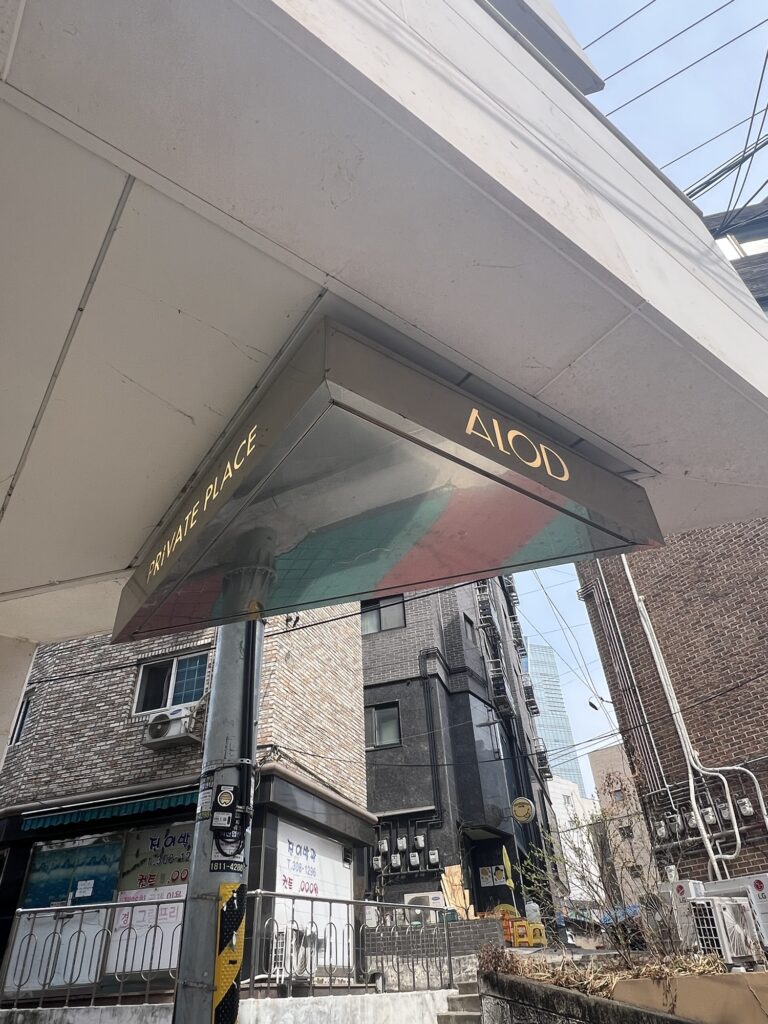
Cafe Alod is located in the building of ‘Song Eun-i’, a famous Korean comedian and entertainment company CEO. In addition, it is a spacious and pleasant space that is rarely seen in Sangam-dong. If you need caffeine during your trip or want to eat something sweet and delicious, please visit
Who This Course Is For
DMC is a working district, and this course suits people who are working in or visiting it and want a lunch experience that rises above the functional. It also works well for anyone visiting the Sangam-dong area for other reasons — the World Cup Stadium, the parks along the Han River — and looking for a reliable and memorable meal-and-coffee sequence nearby.
Specifically, this course works for:
∙ People working in DMC who want a proper lunch rather than a quick one, and have the time to spend it well
∙ Pasta enthusiasts interested in what fresh, handmade pasta actually tastes like compared to standard restaurant versions
∙ Anyone who responds to well-designed spaces — both restaurants reward attention to their interiors in different ways
∙ Visitors to Sangam-dong looking for something beyond the standard office-area lunch options
∙ Slow travelers who measure a good afternoon by the quality of what they ate and where they sat, not by how many places they visited
Getting There
World Cup Stadium Station (Seoul Metro Line 6) is the most convenient access point for both stops. The station sits within the broader DMC complex, and both Pasta Gongjakso and Cafe Alod are reachable on foot from there.
DMC is also accessible from Digital Media City Station on the Airport Railroad (AREX) and the Gyeongui-Jungang Line, making it straightforward to reach from central Seoul, the airport corridor, or the Hongdae area to the south.
The walk between the two stops on this course takes approximately 5 to 10 minutes, passing through streets that give a clear sense of Sangam-dong’s character — the scale of its media infrastructure visible in one direction, and the quieter residential and commercial blocks where places like Pasta Gongjakso and Cafe Alod have established themselves just visible in the other.